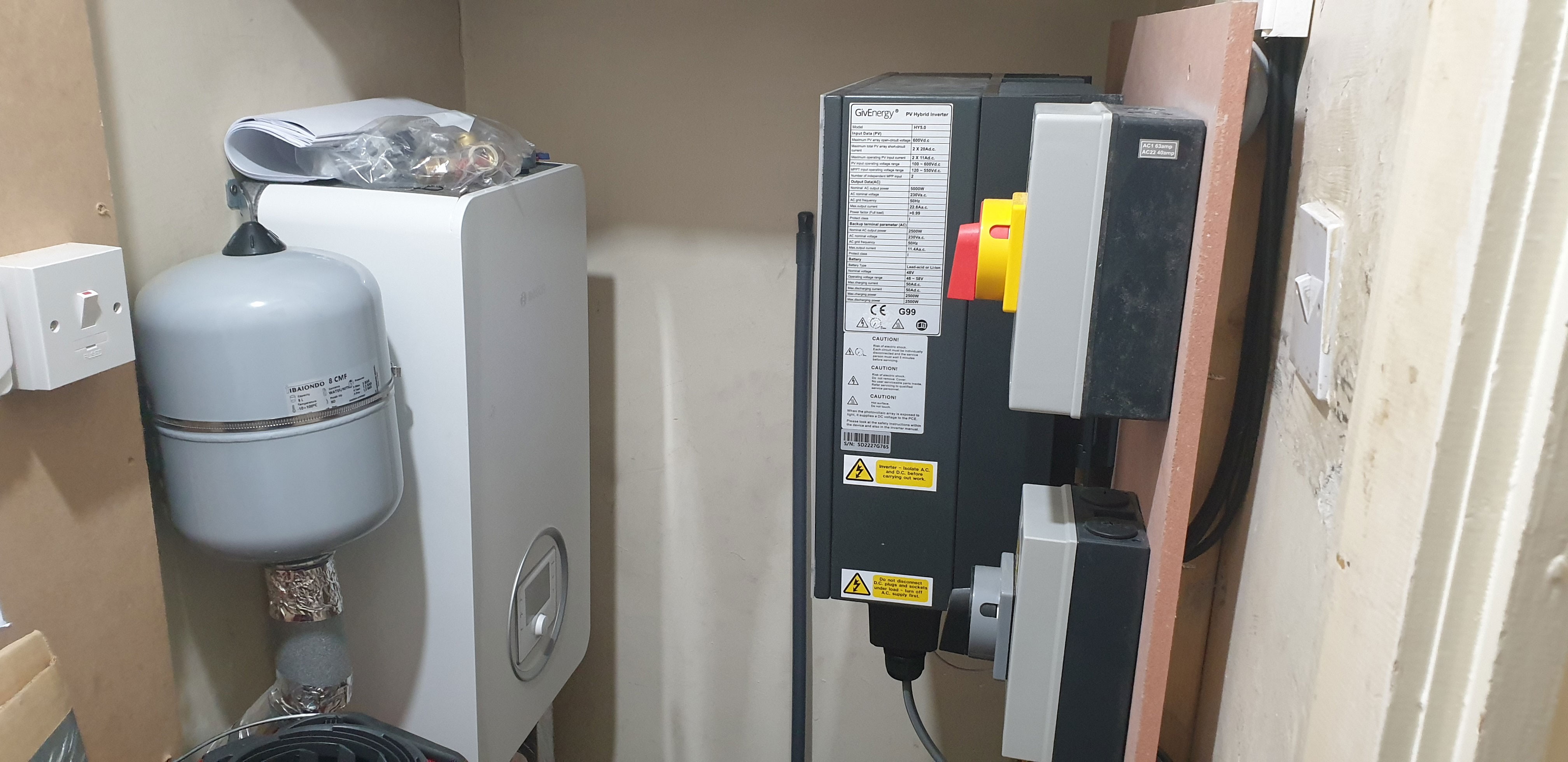
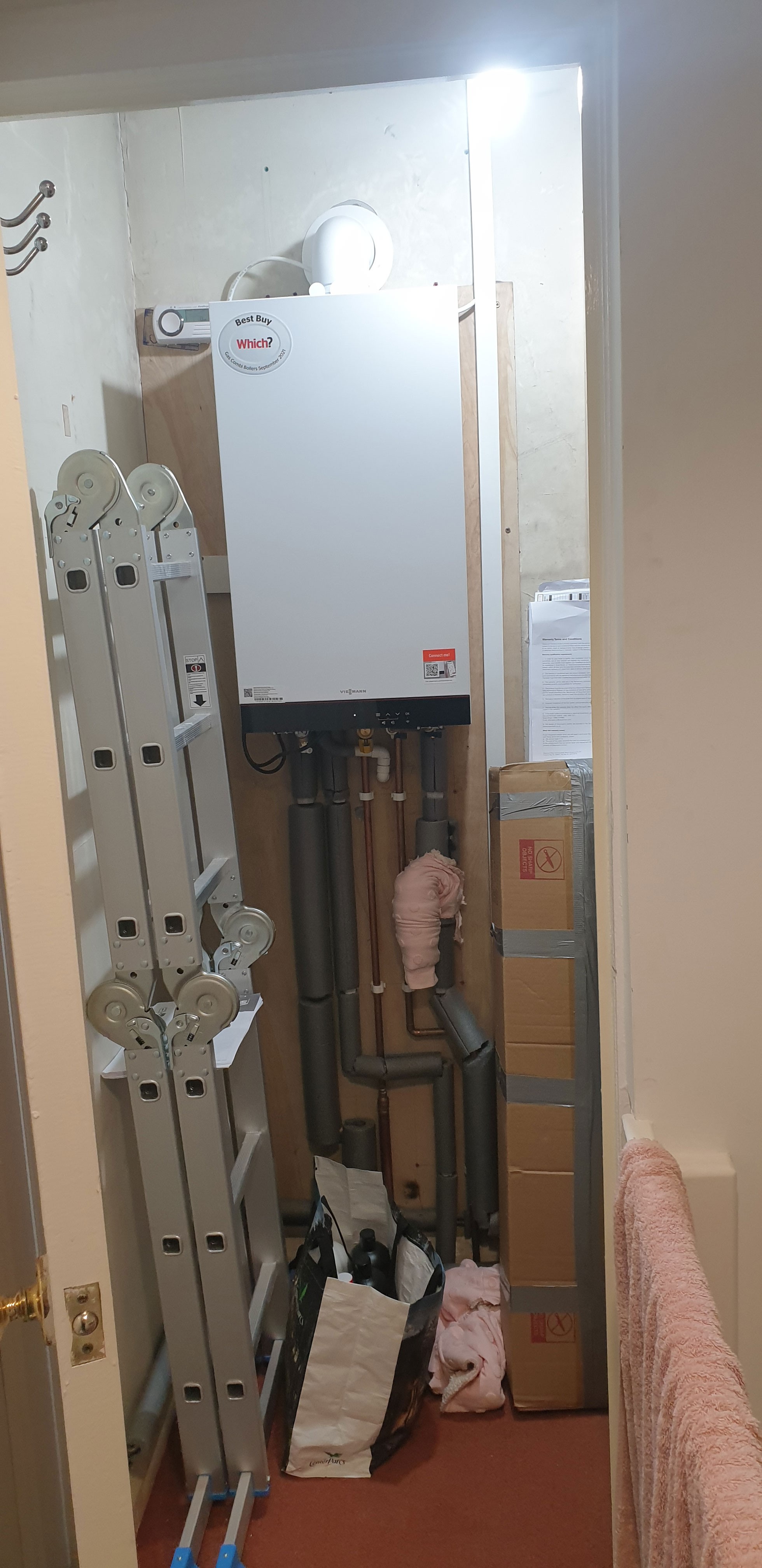
LordHippos Our airing cupboard is to the same level of insulation as the rest of the upstairs - 100mm kronospan slabs between rafters with roofing membrane under tiles under PV panels outside and plasterboard inside. I shut the door on the space when the two HY5 inverters and Batt8.2 batteries were installed in January last year but monitored the inverter temperatures.
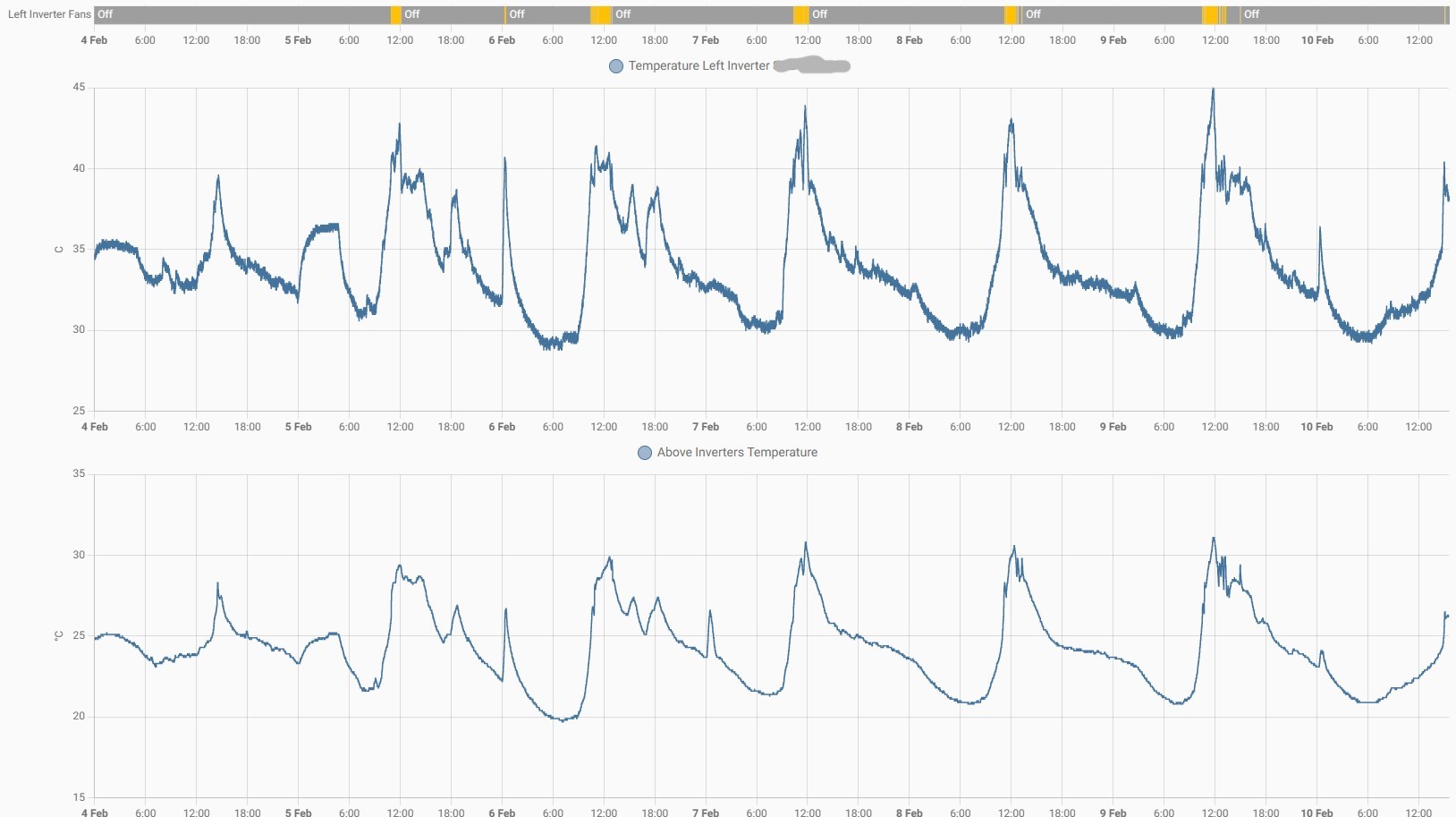
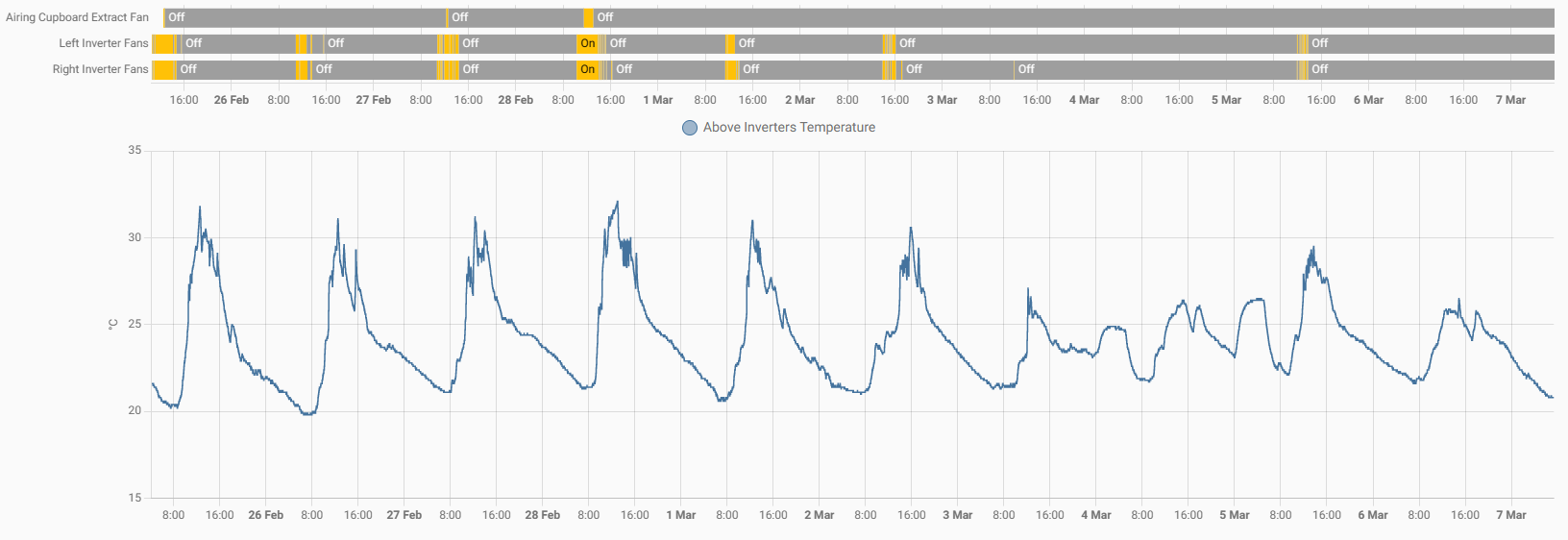
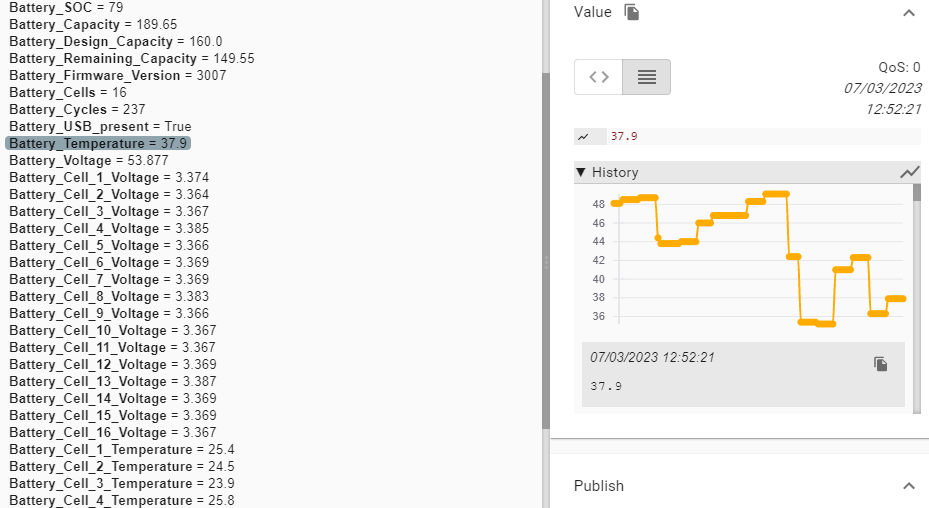
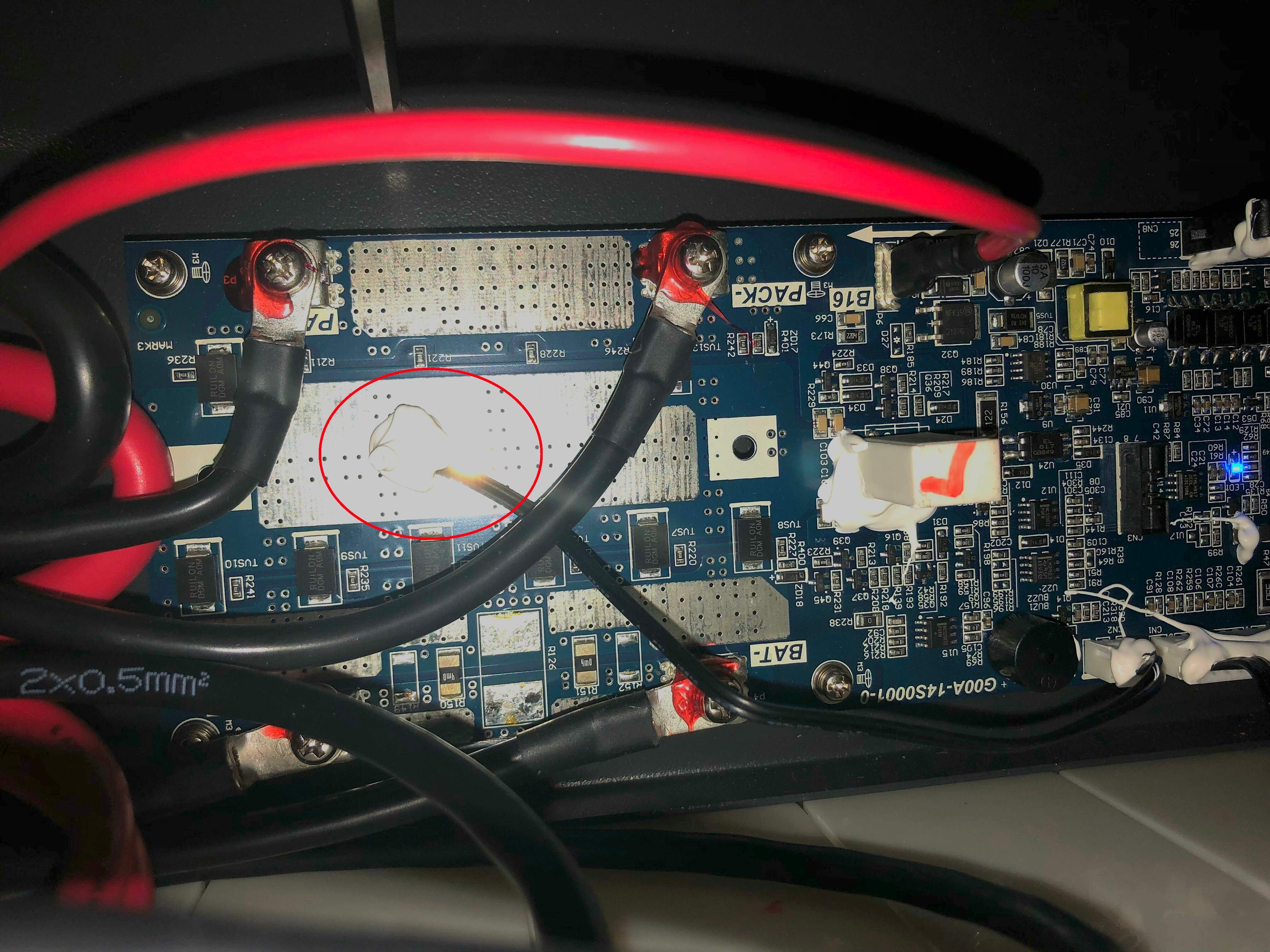
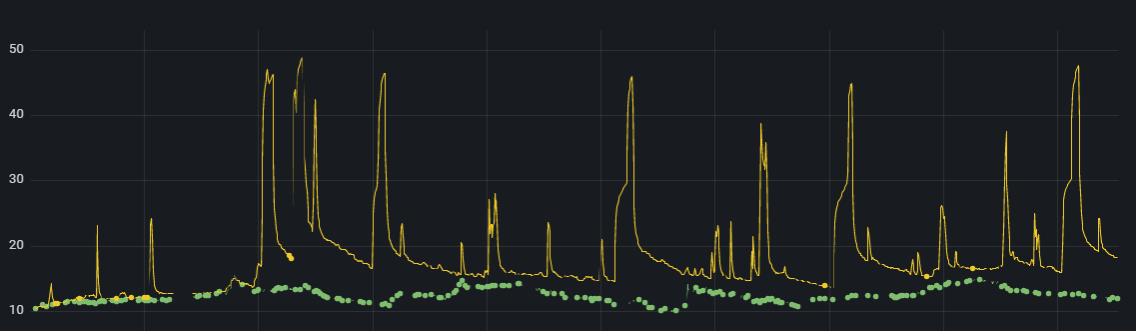
In April when the inverters were often reaching 4kW output for several hours and the reported temperature was exceeding 55°C, I added PC-style fans underneath the inverter heatsinks, controlled by a DIY ESP8266-based temperature monitoring device that monitors temperature above and below the inverters and the void where air could be drawn into the space if I put a fan there. I set the fans to switch on when temperature reported by the inverter exceeds 40°C and switch off when it falls to less than 39°C.
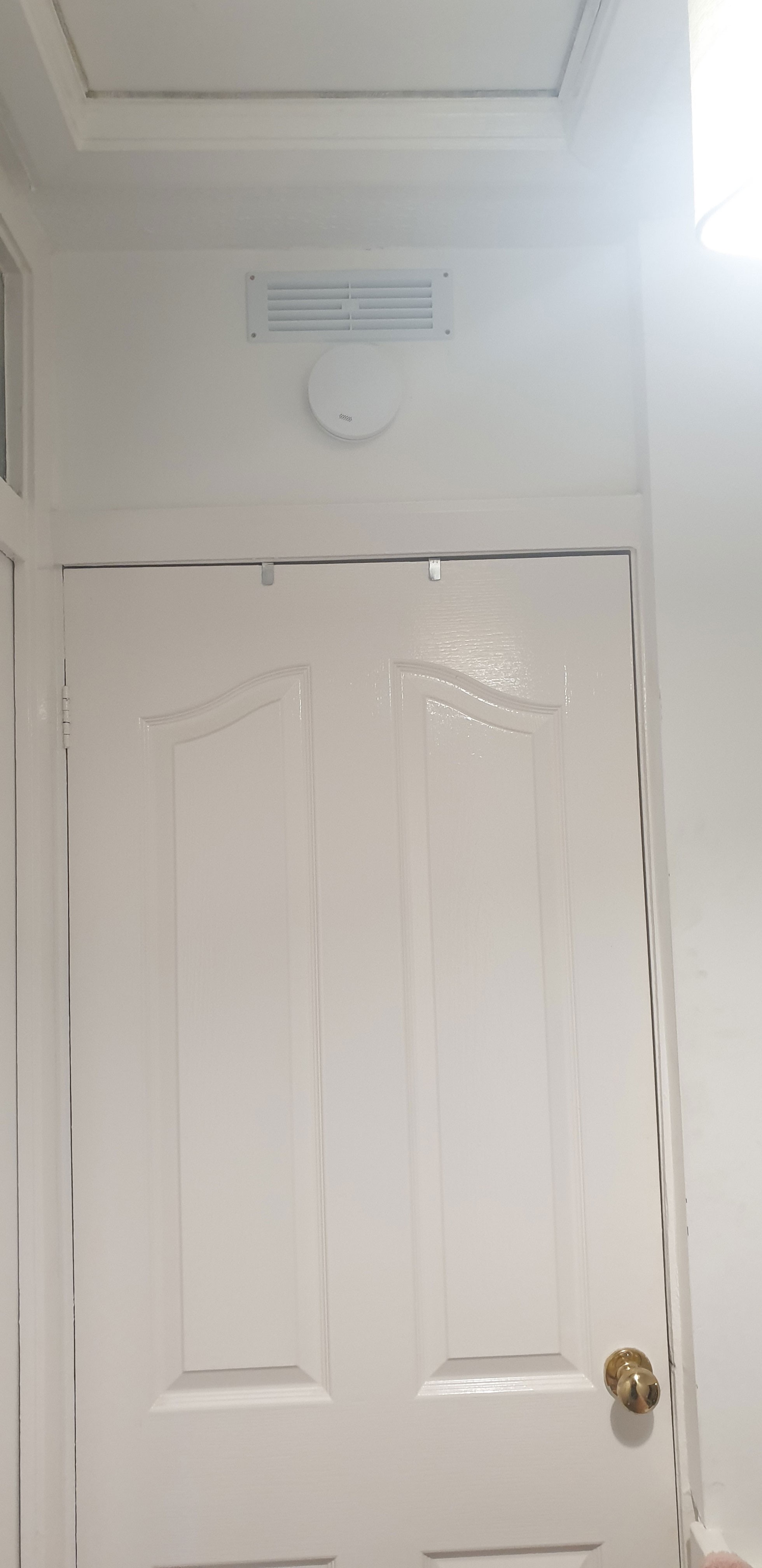
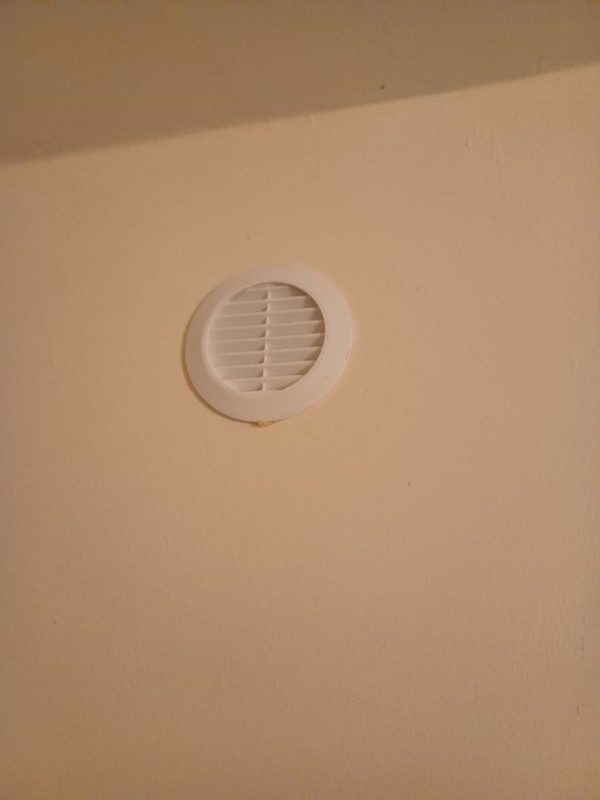
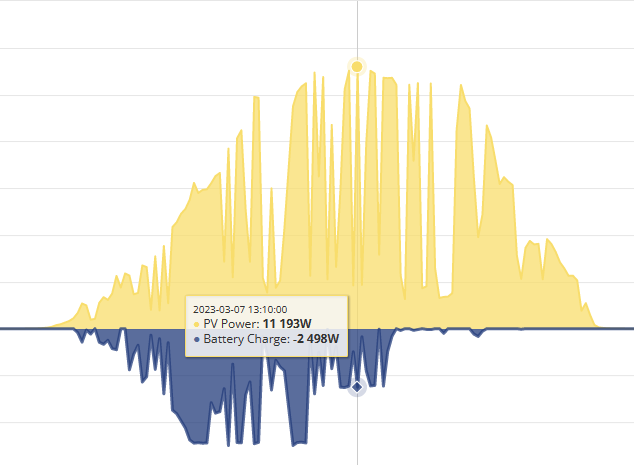
By late May, with longer sunnier days and each inverter output exceeding 5kW for several hours (battery charging reduced to 1.5kW and house load to EV etc of 8kW and export of the surplus), the temperature above the inverters was exceeding 50°C, bearing in mind that outside ambient temperatures were in the high 20s. At that point, I added a bathroom extract fan directly above the inverters to extract the hot air to the loft space beyond the airing cupboard. Since then, as long as the DIY temperature monitoring system is working, we haven't exceeded 48°C as reported by the inverters.
One side-effect of this is that when off-peak charging the batteries overnight in December, the bathroom extract fan was cutting in and this could be heard in the bedroom. I reduced the charge rate so that the battery just reached the desired SoC at the end of the charge period and the fans don't cut in at all now.
Temperatures above and below the inverters are almost always less than the inverter temperature, suggesting that the volume of air in the cupboard is sufficient to support passive cooling with the door closed. It's only when there's lots of sun (or when charging at full power off-peak) that the PC fans cut in, and only when the inverters are pushing more than 2.5kW for more than a couple of hours is the extract fan needed.
There were a couple of occasions when I was working on the DIY temperature controller while there were high inverter temperatures and I opened the cupboard door and snaked a bathroom extract ducting into the far corner with a fan on to pull cooler air from the space outside the cupboard and blowing the warmer air out of the cupboard. This was not really very successful but the extract from directly above the inverters is working fine.