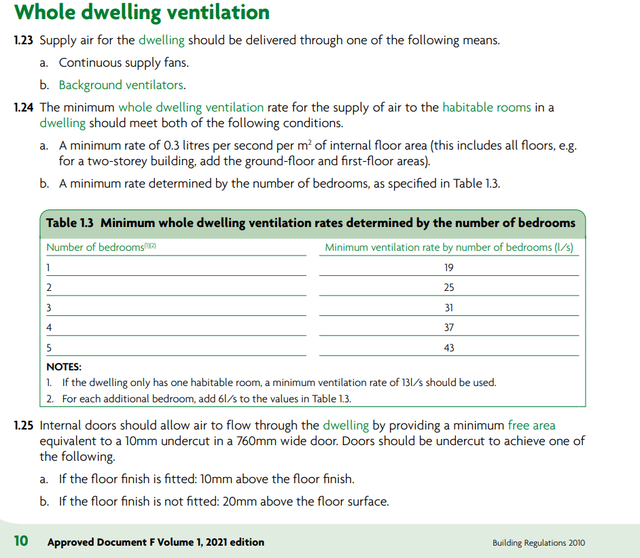
Where do I start on a new full house refurb

137 comments started 2023-06-13 last 2023-10-15
GivEnergy Products
B
#1 Bal

I was shown Givenergy battery system by someone recently and was firstly very jealous but more seriously reconsidering how we go about our full refurb + extension.

Original plan was full rewire, plumbing, radiators, boiler and 300l unvented cylinder for quite a large house with 3 ensuites.

Now I might be way of the mark here and also have no baseline to go off as we have not moved in thr property and won't be until its fully completed.

My initial thoughts were going for the new all in one and possibly adding another 9.5kw battery with the view of adding another at later stage if needed.

Also come across Sunamp to heat the hot water but we will still keep gas for the cooker we already have and a ribbon fire my wife has always wanted (although in trying to convince her to go with electric version instead)

Same would probably go for underfloor heating. If this is in wrong section please move it to correct one.

Thanks in advance!

K
#2 kram

If you’re going all in one just stay with AIO

B
#3 Bal

Can you not connect additional battery to AIO or would you have to do AIO x2?

L
#4 Lincs_Will

I've recently had my system installed and whilst I'd settled on Givenergy early on as they seem to be the smartest setup around which maximises my chances of being able to use their API to manage the system to deliver maximum cost savings I have spent some time wondering what energy I could get out of various solar panel and battery combinations. You need to consider your planned energy usage and how that will vary by season as well as how much space you have for solar panels and what they'll generate, both as an annual figure and by month. Also consider the gas/electricity mix as its quite likely you'll be able to get an electricity tariff whereby you could sell the electricity for more than gas would cost so you could heat water using gas and save more than diverting your solar power. Od course you need to consider your motives and whether they're purely financial or if there's some eco-altruism going on.

S
#5 stevelewis

Bal if you're doing that extent of work, why not go for an ASHP instead of gas? As well as providing space heating, it is extremely efficient for water heating (no point in a Sunamp when you have space for a mains pressure cylinder) . Add PV and you can get 20% of your energy for the ASHP as well as more than you'll need on the summer months. Battery storage keeps costs down with Winter off-peak and maximisum self-consumption. And never mind that gas hob as induction jobs are far better these days. We've done all of the above and transformed a 1940s house into a modern home with very like running costs.

D
#6 dragon2905

Bal If your sticking with Gas for cooking & heating:

Gas Boilers

If your having the plumbing done all round the house then have 15mm minimum copper plumbing on heating circuits (avoid going smaller than this) you make things easier 10+ years down the line when you will most likely have to install a Air Source Heat pump if the 2030 ban on Gas Boilers does in fact come into effect.

Weather Compensation

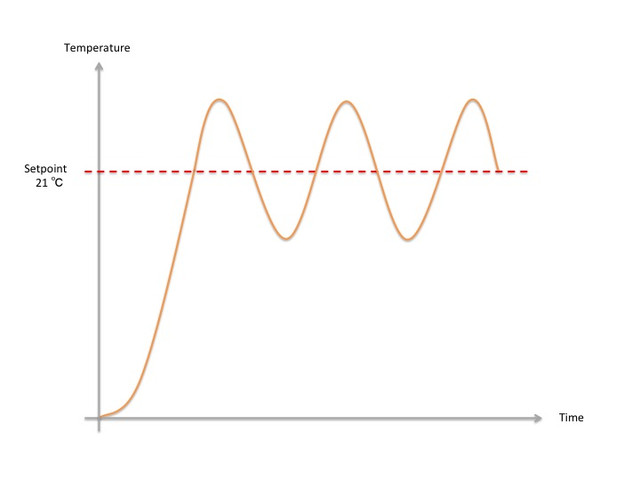
You will almost certainly want to have Weather Compensation Controls fitted to whatever boiler you decide to go with. In a test by one of the major manufacturers (I can't recall which off the top of my head) these are supposed to save at least 10-15% on gas use. Most of this comes from the boiler not overshooting the desired temperature.
This shows what typically happens with boiler heating controls
This shows how Weather Compensation and Opentherm Controls work.
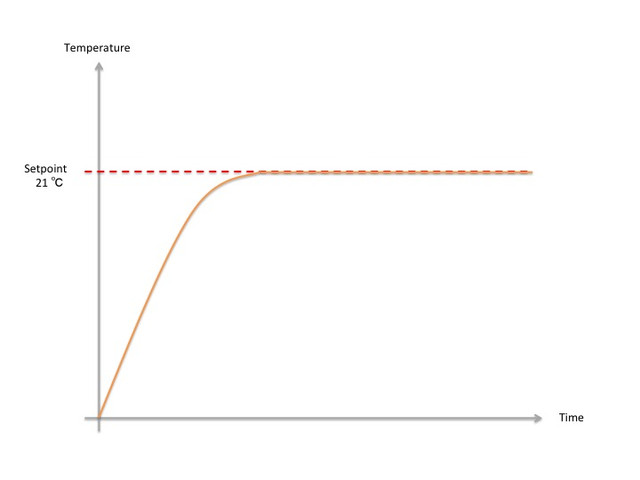
Opentherm Controls

Nest, EPH and Salus have Opentherm settings. Some Boiler Manufacturers have their own controls that are Opentherm.
HIVE, Drayton Wiser and TADO DO NOT HAVE OPENTHERM (Wiser says it does but it only works on specific boilers & Tado removed it from UK products for some reason).
BEWARE some manufacturers use their own version of opentherm and you cannot use 3rd party Opentherm controls with them

Boiler Flow & Return Temperatures

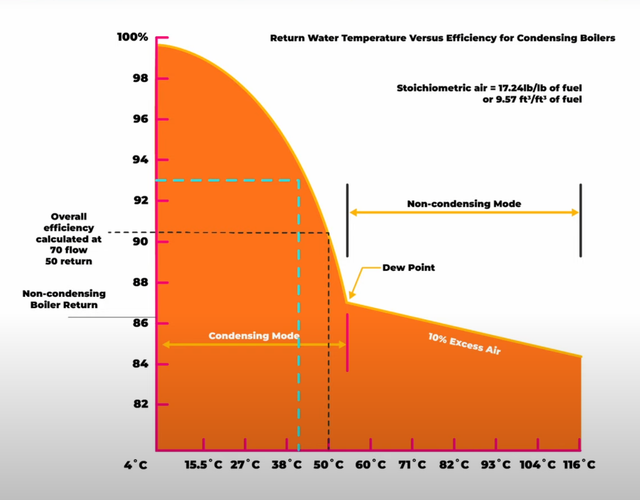
You want to get the "Return" temperature (the water coming back into the boiler) as low as possible. The lower the more efficient the boiler operates.
As you can see from the graph gas boilers only start condensing when the flow temperature is below 54'C. At this temperature they are about 87% efficient. If you can get the return to about 40'C then you are in the 92/93% region.
Underfloor Heating

Will automatically allow you to run lower Flow (Out) and Return (In) temperatures on your heating. Try and avoid using Underfloor Heating Manifolds - a well designed system should not need them.

Heating Zones

I will presume that you will have radiators upstairs as underfloor heating on the first floor is very unusual. So you will likely need to zone your system but if your house is well insulated from the refurbishment then you may find you rarely need to turn your heating on upstairs....

Separate Heating and Hot Water Temperature Settings

Importantly Weather Compensation has allows you to decouple your Heating & Hot Water temperatures (for Heat Only Boilers). System and Combi Boilers already have this functionality.
Usually you would see a Heat Only or System Boiler used in conjunction with a Hot Water Cylinder.
You can still use a Combi Boiler with a Hot Water Cylinder. This is called Hot Water Priority although not all manufacturers offer this functionality.

Hot Water Cylinder

Again you want to get your hot water RETURN temperature back to the boiler as low as possible so for your Hot Water Cylinder you will want to consider a couple of options:
Single Coil
Either go with a very large single hot water coil (this is inside the cylinder and transfers the heat from the boiler into the cylinder) or a dual coil system.
Dual Coil
Typically you would have 1 large coil (in the bottom of the cylinder), and 1 smaller/medium (in the top section). With only a gas boiler you would plumb these in series so that you are taking as much heat as possible out of the hot water loop to get the RETURN temp back to the boiler as close to 40'C as possible.
This setup would also allow you to, in the future, plumb a Heat Pump into the bottom coil instead. Heat Pumps, usually, operate at lower flow temperatures so need larger coils to allow for the heat transfer to occur.
Personally I would also look at having 2 x immersion elements if possible. One at/near the bottom, a second about 1/3 of the way down.
Then if you have solar and a solar immersion diverter fitted you can heat the top 1/3 first and then heat at the bottom afterwards. This would act like a Heat Battery and is a great use of excess solar rather than exporting.
Chatting to another member on here I was surprised at the, reasonable, cost of a custom cylinder from Newark Cylinders https://newarkcylinders.co.uk/ so maybe worth giving them a call to discuss this.
Octopus are advertising a new brand of cylinder
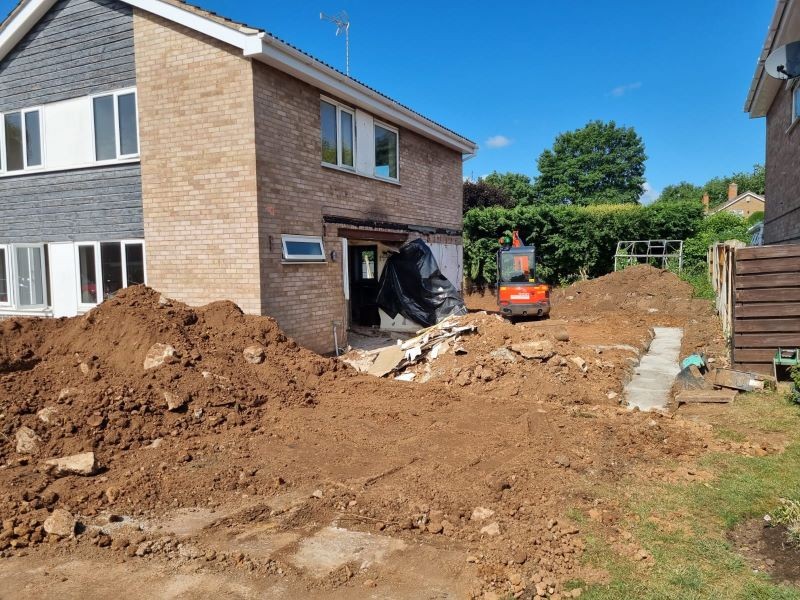
https://heatandhotwatercylinders.co.uk/works-with-octopus-energy/
Personally I find their website awful and pretty unhelpful. I want to know how they work and how they are plumbed etc etc
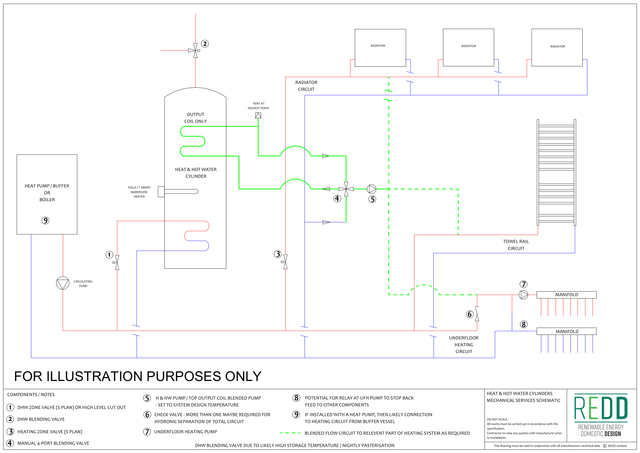
But from what I have been able to find out they operate at higher temperatures than normal so upto 75'C and then blend this hot water with your mains cold water to your achieve your desired temperature at your tap.
They still have 1 or 2 Coil Options (a single coil option is shown in red/blue in the image below) and then a secondary coil (shown in green) that draws its heat back from the hot water (the inverse of your heating coils from your boiler) and can be used to supplement your heating.
Electric Heating/Hot Water

Sunamp and other electric systems are great but only offer 100% efficiency.
If you did want to go electric then an Air Source Heat Pump would be a better option. Depending on whether you go for a normal Low Temperature, a Medium Temperature or High Temperature model you would see anywhere from 200-500% efficiency (typically around 350-420%).

Thermaskirt

I came across this last week and found it pretty interesting.
However it is NOT cheap
https://www.discreteheat.com/thermaskirt/products-and-information/what-is-thermaskirt.aspx

Solar PV

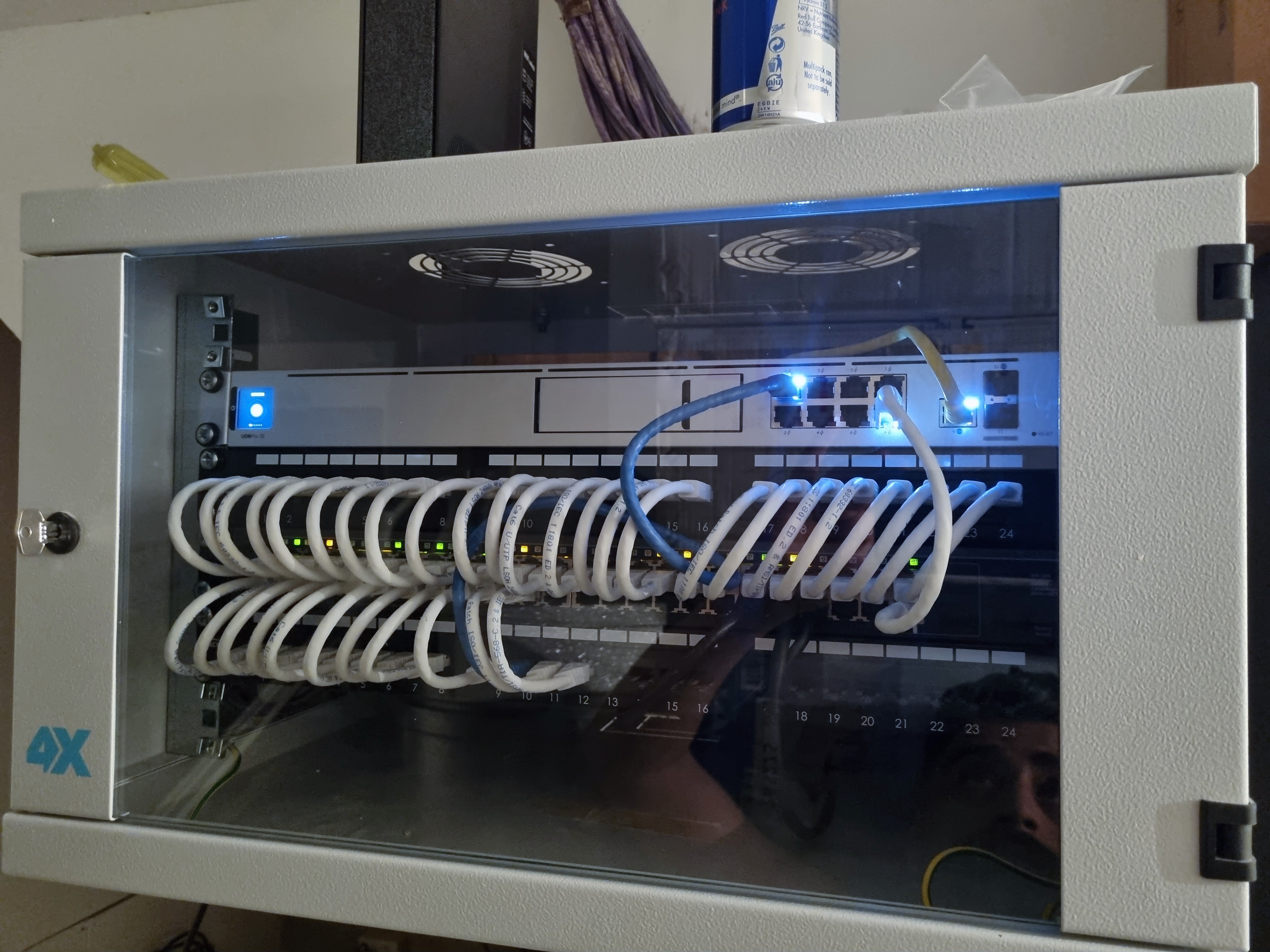
From the sounds of it your looking at large property.
The largest Hybrid Inverter GE offer is the 5kw. Gen 2 and Gen 3 will both take 15kw DC PV Peak in 2 strings of 7.5kw and have a maximum battery discharge rate of 3.6kw (this limitation occurs when using battery only). This is almost certainly not be enough to power a large home. You could pair this with a 9.2 battery.
To get around that restriction you could also install the AIO. This has a 13.2kw battery and a sustained 6kw ac discharge.
If cost & space weren't issues then I personally would look at 5kw Hybrid Gen 3, 9.2 Battery + AIO.
If you wanted something without those restrictions then I would probably look at Sunsynk.
All this is assuming you are on single phase.
If you have 3 phase supply into your house then until GE sort out their "magic Box" (can't recall what its actually called) you will want to avoid GE Kit.
Normally you could install 3 x Inverters + 3 x batteries on each of the phases of the 3 phase but GE kit doesn't currently work properly in this configuration.
You could go MyEnergi Libbi but you will pay about 30% more for a 5kw + 2 x 5kw batteries as you would for GE or Sunsynk. Three phase go 3 x 1 phase Sunsynk or straight up 3 phase Sunsynk SYNK-8K-SG04LP3 / SYNK-10K-SG04LP3 /
SYNK-12K-SG04LP3.

Here are the relevant links:
https://www.givenergy.co.uk/products
https://www.sunsynk.org/
https://www.myenergi.com/

S
#7 stevelewis

stevelewis Bal
One more thing: think of the house as a system, not a series of separate mini-projects. Some examples:

  • In-roof solar panels save you the cost of tiles on your extension, and designing the extension with the right roofline could help with spreading your PV generation over a longer part of the day with dual arrays, which in turn means you get more direct PV usage, avoiding battery conversion losses.
  • South-facing windows for winter sun.
  • A DHW tank is a good energy store and costs less than the equivalent battery.
  • Battery storage gets warm and can put out several kWh of heat per day. Put it somewhere that benefits from the heat in the winter.
  • You only get one shot at underfloor heating and floor insulation, a wet system with a low flow temperature gives future-proofing.
  • Consider a waste heat recovery system to reduce heating costs.
  • Insulate well. Not only will you reduce running costs, it also leads to a smaller, cheaper heating system, especially when heat pumps are in use.
  • (A bit hard-core) run a separate cold feed to all toilets from the loft so you can use recovered rainwater for flushing and minimise water bills.
B
#8 Bal

Hi thanks for the replies! I'm really out of depth when it comes to all this but some good info!

I am trying to do whole lot as the builders prices includes plumbing electric etc on a traditional system... I will need to try to figure out cost difference.

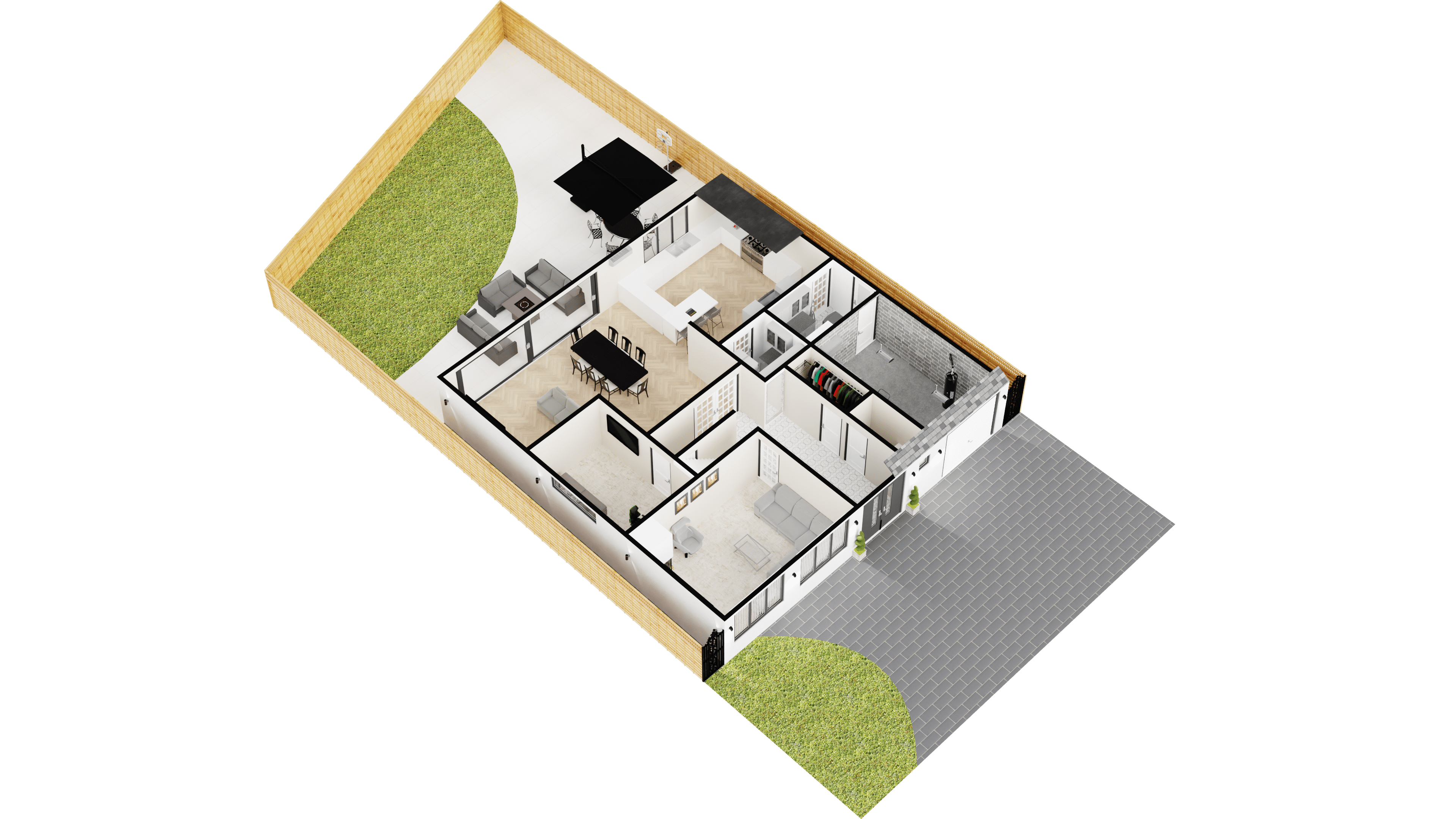
If I was to get gas boiler it would be opentherm with nest thermostats and 3 or 4 zones

  1. Kitchen diner
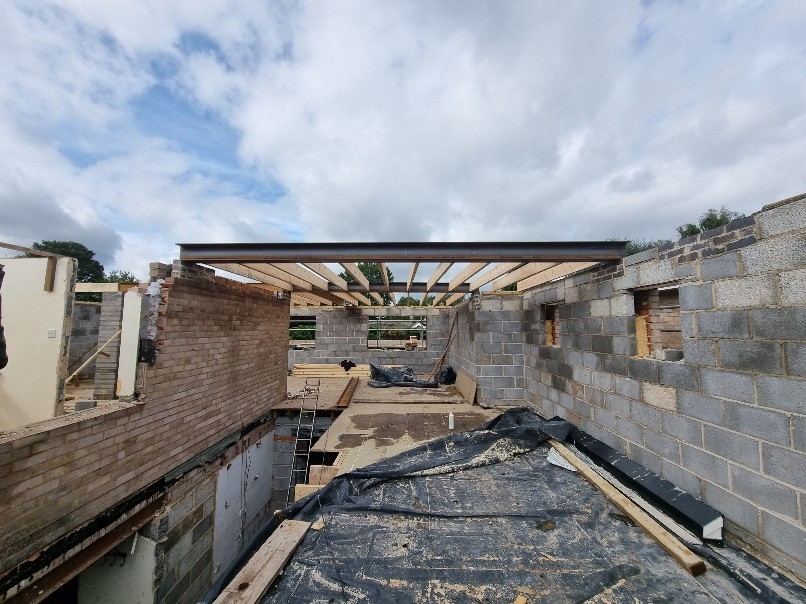
  2. Rest of ground floor
  3. First floor
  4. Loft where it will have master bedroom and ensuite.

If I go air source pump I was advised go with 22mm copper...

I'm also looking at air conditioning too so lots to consider

D
#9 Dai

Bal if you are staying with a wet heating system (gas or heat pump) get a detailed radiator/ heat loss survey completed very early in the planning. Most radiator manufacturer published their delta-50 radiator output, but you will want calculation undertaken on a much low spec and in most cases required much bigger radiators (or aluminium rather than steel) which needs to be factored into any room plans and any pipe runs around the house.

S
#10 SteveCook

Before you do anything, insulate, insulate and insulate again.
The easiest way to save money/energy is to insulate and reduce what you use.
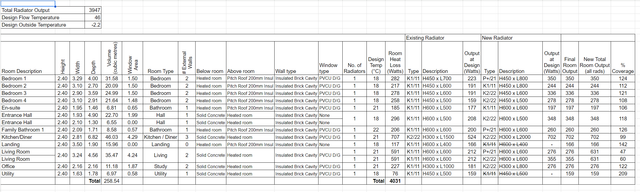
When you have done that to death, then worry about what system to use.
If you insulate sufficiently, a good TV will do your lounge heating.
No maintenance on insulation, no standing charges, no price increases over winter etc

https://www.passivhaustrust.org.uk/what_is_passivhaus.php

#11 Judith

Totally agree with dragon2905, & SteveLewis but want to re-enforce Steve Cook’s insulate comment.
We did our house 12 years ago and because our surveyor/designer was so hesitant (out of date) we didn’t do enough insulation. We should have had the solid concrete floors dug out and insulation to modern stds put in.
Underfloor heating without extreme floor insulation is a total waste of money, our neighbour can’t afford to run his new UFH (also on solid floors). We didn’t do ours with underfloor thankfully.
If I was doing it all again now I would go direct to ashp but if you’re hesitant about that (ask around neighbours and the forums for a good recommendation there are cowboys) then you MUST have 22mm pipe and large enough radiators to run your gas boiler at 45C (ish). That’s the bit you never want the internal disruption again, when living there. We’re facing potentially a lot of re-piping on a 12year old system because the house is fairly poor thermally.
I envy you the restart project!

#12 Judith

Just to add we have a Whole house vent system (Mvhr) with fully vents and warms up the incoming air using the old outgoing air. That MUST be done as a refurb it involves lots of everything coming out to get the ducts in. It means you have no damp, condensation, no need for vents on all windows no cooking smells. It was the second best part of our refurb, the best being solar.
You’re starting very reasonably at the user interface, zones, controls gadgets etc but you need to go a level deeper to reduce the heat needed by reducing heat loss.

S
#13 SteveCook

Think of your house as a bucket with holes in a field.
You can have fancy taps with sprays, infra red on/off, Qooker, aerator etc - but they are only different ways of putting water in at slightly different flowrates.
Fix the holes in the bucket 1st to keep the water in, wrap it up to keep warm and finally choose the taps.

S
#14 stevelewis

Bal whether it's low temperature gas or ASHP, you'll need the same pipework design to get a high flow rate. 28mn for the main pipes from the heat source, reducing to 22mm for shared runs, 15mm for routes to one/two radiators. Plastic is also fine (as the temperature is low), although the inside diameter is slightly smaller than the copper equivalent.

#15 Judith

@Bal
Picking up on your air conditioning comment solar is obviously the best power source to support that, but with careful house use it’s unnecessary
Last summer in 40C heat wave the inside of our house never got above 26C. We have lots of large south facing windows but we also have roll-out canopies to keep the sun off. Then with large opening through draught windows open only in the evening to cool any heat built up during the day we kept very comfortable. The key is external canopies/blinds (everyone has them in southern Europe, even Northern France has shutters) to stop solar over-heating.

D
#16 deepanshus

i had the exact scenario of yours in mind, if you can indulge, here is what i would go with

  • Borehole heat exchanger

  • Megaflo, solar compatible

  • Boiler, Hydrogen ready

  • Nu Heat underfloor heating

  • Max Solar panels your roof can support

  • New G3 GivEnergy Inverter, 5KW

  • 2x9.5 KWH batteries

S
#17 stevelewis

deepanshus I doubt hydrogen use for domestic heating will ever be viable... It's a cynical marketing ploy from the boiler manufacturers to shift more stock with superficial changes, supported by the gas industry. Burning hydrogen in a boiler is easy, but heating a house using green hydrogen takes 6x as much input electrical energy as an ASHP to do the same job.

T
#18 Tim

stevelewis using green hydrogen takes 6x as much input electrical energy as an ASHP

Interesting to know. However, maybe that's not the whole story? If hydrogen can be generated by hydrolysis in Africa with surplus solar, it could be transported at lower losses than electricity generated in Africa for consumption in Europe. I use Africa and Europe as examples, the source and sink could be anywhere. Just saying that consumption of microgeneration at the microgeneration site is great for those who can. There is an extensive gas grid network in the UK which could potentially lend itself to Hydrogen distribution at some point. On the other hand, if electrical energy storage was to be at the local distribution level (eg wherever there's a pole transformer or local grid substation), then the case for Hydrogen as a convenient storage medium would fall away. That would require joined up thinking from the DNO/energy companies and support from government.

#19 Cdent

stevelewis that's why it's going to get shipped from the middle east where solar it plentiful and cheap. They can provide the hydrogen, liquify it. It'll get imported into places like the Humber where it's re-gassified then distributed. Will be mainly for industry, but can and will be used for domestic heating too.

D
#20 deepanshus

stevelewis I agree it’s a marketing ploy at best but no harm in getting a model that is “ready” - then you can something to boast about the new home :-) and it’s not much extra in terms of cost

K
#21 Karen

Everyone obsesses about heating - but what about cooling too. If the world is getting warmer, then this will only get worse and we will get more summers like last year. I would think about air to air heat pump - can be used to generate warm air heating in the winter and cooling (run from your solar) in the summer - plus no big clunky radiators.

D
#22 deepanshus

Karen invest in old fashioned ceiling fans, sleep with windows open and except for few days in the year, you will be good… uk weather still doesn’t justify investment in central air conditioning… and also I walk pass by a house with heat exchange and it’s super noisy !! I have pity for their neighbours

M
#23 MarkyG82

A few comments from me:

  • A DHW tank is good for storing energy but you cannot use hot water to power the lights. Some sort of battery is needed if you have PV. Or export at a high rate and buy back with credit created.
  • Hydrogen is prohibitively expensive to produce in the quantity required to replace natural gas. It's also very difficult to transport. Shipping from Africa? Do you have any sources that suggest this is a viable solution?
  • Small point, I think TADO have brought back the opentherm models to the UK as of late last year.
  • Good insulation is very much required but you do need a way to change the air inside the property. MVHR is the way we are going and also considering air-to-air (AC) in strategic spots to complement.
S
#25 stevelewis

Tim I'm sure hydrogen will have its uses. However, it would be more economical and versatile to burn hydrogen centrally in power stations and distribute the electricity to power ASHPs. A modern CCGT station can run at 60% efficiency and an ASHP can have a SCOP of 3, so thats an immediate halving of the hydrogen needed. Add the savings from retiring an ageing gas network, etc, etc

M
#26 MarkyG82

Cdent
If they can make that work then I'm well up for it. However, the possibility of them being able to produce enough (green) power is low. Then the shipping costs (not just financial). It's likely to be quite expensive and I can see the benefit. Alot of the locally produced hydrogen will go to running long distance haulage with the last mile stuff being carried out by EV's.
As you can tell I'm not convinced by the hydrogen story but I look forward to being proved wrong.

T
#27 Tim

stevelewis A modern CCGT station can run at 60% efficiency and an ASHP can have a SCOP of 3

I'd expect Hydrogen to be consumed in a fuel cell, providing a DC output for use to drive the car wheels, heat a cooker element, or drive a heat pump. It can be "burnt" by combining it with oxygen but trying to control the combustion (IMO) is best left to rocket scientists.

R
#28 rivimey

I say this as someone who used to hope for a H2 powered future but no longer does. There is another point which is not well known against its use. Hydrogen, being the smallest atom, is almost impossible to contain in the long term... steel cylinders? It goes straight through the metal walls... and in the process changes the nature of the steel -- if I remember right, making it more brittle.

For car usage, the amount required for usable range requires pressures of 1000psi and above... a "high pressure" steam engine boiler (which were tried and often found uneconomic to maintain) is one with has a pressure over about 300psi, usually around 5-600psi !

Forget any thoughts of sending H2 through the gas mains - most would leak before it reached the end.

While we do indeed have a hydrogen distribution system, it is nowhere near ready for the volume and pressures required to compete against CH4 or equivalent.

R
#29 rivimey

Replying to the topic in general:
Don't forget that converting:

  • Light to Electricity is wasteful (about 22% max conversion and only at higher intensity)
  • Heat to Electricity (directly) is all but impossible - a thermo-electric pile can do it but not at scale or easily. Normally you'd convert heat to rotation in a turbine etc and then to electricity, with very low overall efficiency.
  • Light to Heat is easy - Solar Thermal panels do this and it's the origin of Solar Gain - and is fairly efficient (not sure of numbers but >70%)
  • Electricity to Light is easy - think incandescent bulbs - and moderately efficient (50% ish), the rest ending up as heat
  • Electricity to Heat is easy - think bar heaters - and is very efficient (>90%?)

Basically this means if you have heat or light, and want heat or light later, try not to convert it to electricity for storage, because converting to electricity is inefficient. Instead, and if you can, store heat as heat.

S
#30 stevelewis

Tim a gas turbine can fairly easily be modified to run on hydrogen, it's mainly the nozzles/delivery system that changes. The major ago manufacturers already have this in hand.

#31 Cdent

MarkyG82 personally I think hydrogen is the way to go, rather than BEV's, but the production and distribution is no where near what it needs to be for mass adoption. I can see a VHS vs BetaMax fight when hydrogen is available at fuel stations between fuel cell and BEV

#32 Judith

@Bal is the hydrogen part of this thread on topic for you or as theOP do you want other questions answered?

B
#33 billG

Bal hi There
I’ve just had GE 9.5kwh battery fed by 10x 390w panels, plus a 10.5 kWh Sunamp thermal battery. I’ve stick with our 7 year old oil boiler for winter space heating. On a good sunny day , these panels facing South , can generate 22kwh . In winter ? Perhaps 5kwh daily. The Sunamp let’s us have free hot water all Summer and some of late Spring and early Autumn. It needs about a daily charge of about 4kwh , this for two people providing showers & washing up. Heat loss in our Uniq 9( Thermino) is about 1kwh a day, much less than an equiv hot water cylinder. This all for a 4bed Victorian cottage whose wall and floor insulation is minimal.

The Sunamp I reckon saves us more than the free house electricity, which was our starting point. Our annual heating oil costs now largely met by the Pensioners Winter Heat allowance!!!😊😊.

We can get a £9k GRANT for an ASHP here in rural Berwickshire but still not convinced it’s worth the hassle . Our heating engineer loathes them.

Hoping to go EV next summer once I compute how much spare power I will generate, perhaps 800-1000 kWh annually?

Regards

Bill G

M
#34 MarkyG82

@Cdent see @rivimey 's reply above re H2 storage. Its just not viable for an end user fuel. The delivery method to the home for electric is established and (on the whole) efficient. Transporting raw hydrogen is challenging at best. At least with the current infrastructure we have. It may well be a better solution if we can store it in the car or local filling stations. Having seen video reviews on the fuel cell cars they do seem to be good to drive. I just don't see them catching up with EVs.

Z
#35 Zakalwe

Cdent
Not a chance. The debate is settled....7.68 million BEVs sold last year worldwide compared to 15,000 hydrogen fuelled cars.

There are now fewer hydrogen fuelling stations in the UK than there were 3 years ago (and there were only 15 then)....

You cannot escape physics and FCEVs are just too inefficient.

#36 Cdent

Zakalwe but that's the issue, manufacturers have thrown money at BEVs and (some) of the infrastructure for them (which is no where near where it needs to be!) but the same has not been done for hydrogen as a fuel. If they had thrown their money at fuel cells instead, we could be in a completely different position than we are now.

#37 Cdent

MarkyG82 agree, but that's down to the money being spent on them compared to BEVs.

Z
#38 Zakalwe

Cdent
No, that's complete nonsense. The Japanese, for example, have thrown billions of dollars into hydrogen and they are still nowhere. A couple of weeks ago the Japanese government launched a $100 Bn plan for further investment in H2. In fiscal year 2021 they invested $802M.
In 2017 Toyota, BMW, Hyundai, Total and others put $10Bn into hydrogen in a 5 year plan.
https://www.industryweek.com/technology-and-iiot/energy/article/21996274/toyota-shell-among-giants-betting-107-billion-on-hydrogen

There are very, very few advantages of using H2 for personal transportation and very, very many reasons against it.

Z
#40 Zakalwe

Cdent
"Maybe then FC vehicles will be on par with BEVs"

As I have said, that question has been asked and answered many times already. H2 is a busted flush for personal transportation and will remain so. You just cannot get around the inherent inefficiencies, not to mention the massive dangers of working with hydrogen.

BMW tried a few years ago and the best that they could come up with was the Hydrogen 7. It was the most ridiculous piece of engineering that I think that I have ever seen (maybe the Juicero nudges it).
https://youtu.be/AouW9_jyZck

What are the advantages of HFCV?

#41 Cdent

Zakalwe I think the article you shared said it best:

"The automaker has long contended it’s more likely to convince consumers to use gasoline-electric hybrids and fuel cell vehicles rather than battery-electric autos, which tend to have less driving range and take longer to recharge than filling up with gasoline or hydrogen."

But the Hydrogen 7 was an internal combustion engine, not a fuel cell. So it was absolutely ridiculous and inefficient

Z
#42 Zakalwe

Cdent "The automaker has long contended it’s more likely to convince consumers to use gasoline-electric hybrids and fuel cell vehicles rather than battery-electric autos, which tend to have less driving range and take longer to recharge than filling up with gasoline or hydrogen."

It has tried and it has failed. Toyota are now trying to pivot to BEVs. I think that it is highly likely that they will fail in this...they have left it too late.

Range is only something that people who have never driven EVs obsess about. And lets face it, with only 11 or so H2 filling stations in this country you are going to need it! Did you know that Shell have closed all three of their UK hydrogen filling stations?

Yes, in theory, a FCEV can refill more quickly. In reality though, it is different. Take Element 2, a UK business that has launched a lofty plan to install H2 filling stations ( a more cynical man than me might say that they are in the business of trying to attract government subsidies). Their proposed solution is to only operate the pumps at 350bar as operating at the full 700 bar needs either hugely expensive cooling or a 30 minute wait between vehicle fills.

Then there is the cost. Hydrogen currently costs about £16 per Kg. A 5 Kg fill for a Mirai works out at about £80. I can fill my Tesla for £5.50 on an Octopus tariff. Using a public Supercharger would cost about £35

Charging times is again something that only non EV drivers obsess about. You can put 200 miles into a Tesla in less than 20 minutes. The new 800V BEV architecture is rolling out from BEV manufacturers will cut those times further.

Lastly, most EV drivers charge overnight. Lets see you do that in a FCEV.

S
#43 Slartibartfast

I thought this thread was about renovating a house. The quickist way to do it is to install a hydrogen boiler and wait. House demolished. Now you can start again.

H
#44 hamilton

Consider hot water recovery system, basically the waste from your shower heats the incoming cold water. Fit once and save 30% ish for its life.

S
#45 SteveCook

Again my previous comment after 40 year experience as a Building Services Consulting Engineer.
Before deciding on what system to heat (and cool?), insulate, insulate and insulate, shade heat you don't want, capture heat you do want, high performance/triple glazing, use heat recovery (MVHR), hot water recovery etc etc.
When you have the loads as low as possible, then options that may have looked non-viable, may now be viable.
If the heat load is low, then maybe PV, battery and wind could support an ASHP/GSHP with minimal winter grid injection and lots export in summer to pay for winter.

B
#46 Bal

Hi All! Not been able to login and check due to being extremely busy with work, but thanks for all the replies.

So as many have mentioned insulation is going be a major factor and the existing house already had cavity wall done, we will be using celotex between cavity for the extension. Loft will be heavily insulated and all holes will be "plugged".

This should give us a good enough base. I wont be going with hydrogen but instead sticking to gas boiler in particular Bosch Worcester 8000 35kw system boiler with 350l unvented dual coil cylinder. Will make use of batteries for immersion.

Looking at our floor plan going with underfloor heating in kitchen diner (zone1), hallway and office and living room (zone2) rads and second floor all rads in bedrooms etc on (zone3)

Still looking at solar panels and inverters as I found out the all in one is not suitable and will not take strings from solar pv it can only read usage using ct clamps. As the house will already have scaffolding hopefully can save a bit there on solar install. Thinking about 2 rows of 5 or 6 panels on separate strings. Rear garden and roof is west facing.

Might need to go 2x 9.5 kw and their hybrid inverter. I am also getting electric upgraded to 3phase and water supply being upgraded to 35mm for mains.

Plan is all to be fitted in garage along external wall for ease of access and servicing.

#47 Judith

@Bal great to read your conclusions so far. Don’t forget the advice for weather compensation on the boiler, you need the highest grade boiler in the options.
We ended up with too large a boiler (I understand that this is not unusual) and our 30kW rarely needs to push out more than 15kW, not that efficient as a result. But we do regret not having larger pipe work and triple radiators since we are thinking longer term of ASHP now.

S
#48 stevelewis

Bal I'd suggest you skip the 3-phase upgrade as you're really unlikely to ever need more than 80A single-phase (we don't get near to that with a 5-bed house with EV, ASHP, battery, etc), but 3-phase will make PV/battery installation less effective/more complicated if your load is spread over multiple phases.

As for the AIO, having a separate string inverter for your PV can be a benefit due to higher peak output power, better future-proofing and easier installation - PV in the loft, battery in the garage.

B
#49 Bal

Im getting mixed messages on 3phase, been told can send more back to grid going 3phase? Im happy to go without and saving a couple of grand upgrading existing supply!

Builders have agreed to run 22mm runs for heating then reduced to 15mm to rads and double rads but might be hard pushed to get them include triple rads didnt know this was a thing. Will probably need to pay additional amount.

Everything is going to on the external wall in garage

S
#50 stevelewis

Bal true, you can generally export more with 3-phase, if you had space for 30+ panels that might be useful. But you don't!

B
#51 Bal

stevelewis from the look of it 12 panel 16 max but was trying to not have edge to and obviously panel sizes are different and still trying to figure which brand to go with.

S
#52 stevelewis

Bal they're largely a commodity item with a number of reputable brands. I'd go for in-roof for the aesthetics and to save on the cost of tiles.

K
#53 kram

stevelewis

3 phase gives you 16A per phase on a g98

Heat pumps that use all three phases are often cheaper than single phase options.

You can charger an EV at 22kW not 7kW

If I was building/refitting and had the budget I would definitely go 3Ph, you can always get 3Ph Solar with greater input/output rating too.

Only you can choose, but it’s expensive to get it after the fact.

S
#54 stevelewis

kram the OP is only planning on 12 panels and there's already a supply at the property. As for EV charging, most cars only currently support 7kW single phase, which is ample for 140 miles per day. I can't comment on the relative cost of 3-phase ASHPs as mine has a 16kW output and is single-phase.

Putting it another way, it's easy to spend money when it's not your own and that money could be better spent on something that reduces outgoings, such as a modest amount of battery storage.

A
#55 anglefire

stevelewis 7kW AC charging yes, but DC charging is a lot more - I've not looked but guess the three phase ones convert to DC?

S
#56 stevelewis

anglefire the V2H prototypes chargers from Indra which connect on DC are single phase 7kW. A 50kW+ DC rapid charger at a filling station will be 3-phase, but that's a whole different situation.

K
#57 kram

anglefire

No they supply 1 x 16A=3.6kW , 1x32A=7.2kW , 3x16A=11kW or 3x32A=22kW AC.
The cars convert and I think nearly everything I have seen supports at least 11kW charging, because most of Europe has lower current 3 phase supplies to domestic properties.

In terms of spending others money, it depends, because if you're paying for an upgrade or works to be done it is far cheaper to do it once and the cost of a new 1Ph vs a new 3Ph supply (or upgrade) doesn't really differ much.

I do accept adding solar/inverter/battery or adding 3 phase is a differing conversation, however if you want to run:

  • Car Charger = 32A
  • Heat Pump = 32A
  • Home = Allow 32A

You can see you would quickly run out of current even on a 100A feed it would be tight, so you'd have to then decide what runs when and how to do it. Now I fully admit it's unlikely you'd be running them all at the same time at full power.

3 Phase is future proofing, so if you want to have a car charger (even a 7kW), a heat pump and other electronic loads, you don't have to worry about devices being able to load shed to stay within the limits.

In rural settings you'll find it's pretty common for properties to have 3 phases come in, then only one is metered/used. I imagine that was down to the cost of running the slightly bigger cable vs doing it again if needed.

Anyway, long story short, it's something I seriously considered, priced and was going to do until it was confirmed I would need to dig up the floor of the house or move the meter externally.

#58 Judith

Personally I wouldn’t spend my money on 3ph since it is an ‘external’ change if you ever went for it (very few reasons why in my book). I would focus on internal changes that can’t be done after you live there, such as 300mm insulation under your ufh and big heating pipe work and a MVHR system. The MVHR needs big ducts which are easy to do on a refurb and very difficult (to impossible without extensive disruption) afterwards.

B
#59 Bal

This is current state of property, garage will be on far right... its around £2k to get upgraded supply to 3phase... I have no plans to move to electric for at least another 5 years.

I think by the sounds of it at this stage I would be better of leaving it and spending it on high battery capacity as I wont be going to heat pump avenue either as I would expect the new boiler system to last next 15years despite what happens in 2030 with gas.

#60 Judith

Looks like you have enough to do already!

K
#61 kram

Bal

At only £2k I’d bite their hand off. If you decide to sell 22kW car charger is quite a selling point to many.

Ditto the fact that the work is done for PV/HP/electric loads.

Don’t forget you have to get the connection to the meter then to the DP.

Don’t forget in the future it might not be £2k but a lot more. As people add heat pumps and chargers transformers need upgrades and you don’t want to be picking up a chunk of that bill.

S
#62 stevelewis

kram Ditto the fact that the work is done for PV/HP/electric loads.

But, as previously, 3-phase is simply not needed for these things on that size of house. An 80A fuse will last forever with an 80A load, it will last many hours with a continuous 100A load for that matter. An ASHP may be use a 32A circuit, but will only draw anything like that amount of power for short periods, such as during startup. Most of the time it will be <10A.

K
#63 kram

stevelewis

Assuming it’s well insulated yes.
Point I am making is 2k is next to nothing to have it put in, so I would do it.

I’ve seen people quoted £10k or even 20k to add it later because now some transformers need upgrading. As I said future proofing.

Can send all three phases to the garage then just one to the house if needed, but I would suggest fast car charger and perceptions will net you more than 2k at sale.

B
#64 Bal

Think I'm just going to get upgraded supply, we ar having pressed concrete on the drive so in order to add later (10+ years) would mean damage to drive

We are not planning on selling or moving for next 20 years so long so might aswell!

S
#65 stevelewis

kram if it's not well insulated, that's where to spend the £2k for a better return. I personally wouldn't place any value on a 3-phase supply to a property of that size, but maybe your right that others would.

B
#66 Bal

Well im an idiot as I mixed the quotes up for new water connection 3phase upgrade is £3953.76 which changes my view quite a bit!

K
#67 kram

Yeah at that point you either need to have or be thinking of getting an EV than can do 11/22kW chargers or need to have that power.

Get more/better insulation, an extra few panels or battery at that point 👍

E
#68 Edward

Random Thoughts:

Put loads of Cat 6 cables to a central point where you broadband connection will be, cable costs next to nothing and much better than relying on WiFi and also gives easy ability to install more wireless access points.

If you've any outbuildings put decent size ducts in - you never know what plans you'll have in future and again run outdoor rated Cat 6.

Go mad on your consumer unit, lots of RCBO's for things that would be normally added to socket circuits (boiler, alarm, smoke alarms, outside lights, gates etc.) - cost not massive and much easier to work out what's causing a problem if something cuts out. Also leave a few spare ways for anything you need in future.

Plenty of aerial / satellite outlets.

Loads of sockets in every room - can't have too many!

Heating - if going for a convenional boiler most effecient control is a electronic rad valve on each radiator - I use the Evohome system - I can control the temp in each room individually throughtout the day.

K
#69 kram

Will vouch for an Evohome and running extra Ethernet cables and ducts.

If you’re digging things up, make sure the ductwork to your meter has an ID wide enough to take 3 phase 👍

E
#70 Edward

More random thoughts - if having any outside lights get them all wired back to a single switch near consumer unit and install a decent adjustable daylight sensor (I've used Steinel).

Planning on an intruder alarm - get quotes from local NACOSS installers and get your electrictians to first fix with cable specified by the alarm company. Hard wired is a lot less hassle than wireless in the long term.

B
#71 Bal

So I'm a massive geek at heart and run my own server and will be doing my own networking etc. Will be ditching sky altogether. So no dish but will sticking twin wf100 cable in each room along with minimum of 2 cat6 cables.

Been using unifi for about 10 years and will be adding their unifi dream machine se and 2x 24gb pri network switches linked with fibre.

Alarm side will be going Texecom.

Outdoor lighting will all have zigbee controllers which will all be controlled by home assistant on my unraid server

Still need to figure out how I'm keeping my switches but one will be in garage and another in loft I think

A
#72 anglefire

Bal I have the dream machine pro and a couple of small 8port switches and a 5port poe switch as well as a 24port poe switch in the loft. Haven’t connected the DM and the loft with fibre. 1G hasn’t been a limitation. Oh and have two AP’s

Really like it - the only issue is being double natted vpn isn’t easy to get to work - so I tunnel in with cloudflare instead.

K
#73 kram

Cat6 is still 1GbE anyway, it’s 6a you want should you want 10GbE rather than 1GbE/multigig.

B
#74 Bal

anglefire yep iv moved to cloudflare tunnels for accessing some of my containers luckily my cctv is currently unifi too and will be going with G5 series at new place

Z
#75 Zakalwe

Re: 22kW car charging. Not all cars will support this, regardless of the EVSE being capable. All Teslas for example only have an 11kW capability as that is all that the onboard charger can handle.

In fact, 22kW capable cars are probably the minority and I think that it's more than likely that they will become increasingly rare. yes, 3-phase would allow you to run multiple charges if you have a lot of BEVs, but in reality, the extra 4kW per hour become meaningless for the vast majority of people with home charging as they just plug it in overnight. .

B
#76 Bal

Zakalwe I have no plan to go EV unless something drastic happens but even then one car plugged in overnight for 8hours will suffice

K
#77 kram

Zakalwe

Yes, but in the future as batteries get to 100kWh then 7kW is multiple nights for a full charge. Based on 4hrs from go or similar.

7kW = 28kWh /night session
11kW = 44kWh /night session
22kW = 88kWh /night session

I use mine for work and 7kW works but I do have to stop off at a DC rapid if doing back to back days or charge at peak rate too.

So a quarter , a half and most of a full charge are quite different.

More cars are coming with 22 as standard now, so in 5 years it will be normal.

I wouldn’t do it for 4K without the car, but for 2 I would have.

R
#78 rivimey

kram I have an Audi Q4 which supports AC charge up to 22kWh and HPDC up to >160kWh!! It was really something to see that happen.

I would agree 7kWh is a trifle limiting - not fast enough to e.g. charge while having a short break. Overnight charge at 7 is almost possible - you'd probably get 75% added - but at 3kWh it's a day for a full charge.

K
#79 kram

EV6 does 11kW not 22kW on AC, but the 250kW charging is something to behold when you need to use DC.

As you say though 7 isn’t enough if you’re doing back to back days driving and using most of the range. 11 would be better and if you look in the US they do 40 or 50A breakers.

So 48A x 230V could do 11kW or 16A x 3Ph.

Sadly to do 3Ph can be expensive here, hence my at £2k rip their arms off comment.

Having a 22kW vs 7kW will have a value to some and the might pay a bit more or at least ask for a lesser discount.

A
#80 anglefire

kram I’m getting a Skoda Enyaq sometime between September and November and have just looked at and it supports 22kW AC charging. Doesn’t help me much as I only have single phase to the house (and only 60A currently)

K
#81 kram

anglefire

Does the enyaq support 22kW as standard now or is that an option?

I ask as if it’s now standard that suggests the difference between the 16A and 32A inverters in the car is now close enough that 22kW will go mainstream soon.

A
#82 anglefire

kram Hum, I'm trying to find now where I got that gem from - and I'm struggling! I'm sure it was on the skoda website, but I'm buggered if I can find it again! It looks like it is max 11kW - sorry

B
#84 Bal

Been trying to work out rough cost of purchasing solar and AIO and finding installer but lots of variables and little parts needed.

Main items are
12 qcell solar panels 405w, will need to add mounting gear etc
Givenergy AIO
Solar edge 5kw inverter, would I need optimisers?

This is just to get rough ball park figure. Then will probably need to add around £2k ish +/- 25% for installer.

I did have a company out who said that they will send me a quote for 15k but was really sketchy on details for example couldn't tell me size of battery or manufacturer and said they don't do givenergy as its more for electrians and self Installs.

Do I need to complete G99 and what is MCS certificate if you don't mind 😀

K
#85 kram

You’re missing panel optimisers…

You will need g99 before installation and MCS is definitely required.

Then there are isolators, messing with the distribution panels, cabling, mounting hardware to mount the panels on the roof.

I think you’re underestimating some of the costs.

B
#86 Bal

kram
I'm expecting total cost to be around 20k with everything added for solar and battery

But just trying to add some options togerher so I can compare the prices

Still need to decide whether I can stretch to have it all. As kitchen design already eating massive chunk of budget

S
#87 SilverArt

The company that installed my solar are advertising fully installed 6.02kW AIO system at £12895.00 (Inc VAT!). (Hampshire) just as a guide.

B
#88 Bal

SilverArt thought no vat on energy saving measures?

That's a decent price though. I'm in the Midlands.

S
#89 SilverArt

Bal Strictly speaking I guess it does include VAT.. however it should be at 0%

S
#90 stevelewis

Bal Solaredge can be an expensive solution as optimisers are needed as part of the setup. If you don't have a massive shading problem, go for a mainstream PV string inverter, such as SMA or Fronius. Other brands are also available at a lower cost, but you do get what you pay for.

K
#91 kram

stevelewis

SMA and Fronius are very hard to get at the moment. I would have preferred a sunny boy but ended up with SE as it can but obtained.

B
#92 Bal

If I was to go with the GE AIO which is still may favourite would something like the Solis 6.0kW S6 Solar Inverter (S6-GR1P6K-DC) (2 MPPT) be what I need to be looking at to connect solar PV?

B
#93 Bal

Had a quote for £14000

Jinko 16 x 435 Watt Panels (JKM435N-54HL4R-B)
Solis 6.0kW S6 Solar Inverter (S6-GR1P6K-DC) (2 MPPT)
and GE AIO + Solar iBoost for hot water tank

Any thoughts?

S
#94 stevelewis

Bal drop the iBoost and replace with a £20 timer from Screwfix. The AIO will do the balancing when you're heating water so anything more exotic is not necessary.

B
#95 Bal

stevelewis I thought this was needed for the immersion on the hot water cylinder. If not that defo a saving to be had.

K
#96 kram

Bal
Much cheapness

B
#97 Bal

So because of the increase to the boiler upgrade sceme, it looks like il now also be getting quotes for ASHP!
Input welcome but all initial research seem to indicate Vaillant 12kw system.

G
#98 geoffreycoan

Bal You need to get a proper heat loss survey done and from that they will calculate the radiator sizes and heat pump requirements. Any company who installs an ASHP without doing the survey are going to end up with a mis-sized system, either under performing or over specified.

Some companies will charge for the heat loss survey and the quote, the company I used didn’t.

We have two LG 9kW ASHP’s. The system sizing was for a 15kW but at the time there wasn’t any 15kW heat pumps on the MCS approved list so we had to have a bigger setup installed. Most of the radiators were replaced, generallly with double panel units.

There’s nothing wrong with our LG, it does the job fine. The control panel is very complex, definitely designed by engineers not users and there is no wifi/app integration (and Home Assistant integration is going to need some modbus wiring so is on my ‘future’ list).

Definitely get the maximum panels you can on the roof whilst the scaffolding is up. Decent sized battery is useful but unlikely you will be able to get a big enough battery to run the ASHP in the winter. Our ASHP for example uses 20-30kW a day in winter. Sometimes more if its mega cold.
There are a school of people on youtube that favour air-air heat pumps. Can run as air conditioners in the summer and seem to be more efficient and cheaper to run than a wet system through the radiators. However you do need to plan where the output units go and the plumbing to them.

D
#99 dragon2905

Bal it's definitely worth giving Octopus a go.

£500 payment for survey - it is FULLY REFUNDABLE if you decide not to go ahead for ANY reason.

They will do their Heat Loss Survey.

It includes any changes to radiators and hot water cylinder

Original price we were quoted was £6000, we didn't go ahead for a number of reasons but mostly as it would cost us more to run than our current gas boiler setup. SCOP for heating was 3.65, SCOP for Hot Water was 2.65. We need to see 4 approx to be cost effective. We are limited by 10mm Plastic Micro Bore (pushfit) pipework which DOES negatively impact efficiencies

We think a SCOP of 4 for Heating and SCOP of 4-5 for Hot Water IS achievable but not using the Daikin ASHP & Hot Water Cylinder they proposed.

Since then Octopus announced "Cosy Octopus" (due circa December 2023) which would appear to be the long awaited evolution of the RED ASHP's that they heavily invested in. We are hoping that a brand new to market product will offer better efficiencies than the few year old Daikin models for our SPECIFIC ISSUES (as noted).

The announced price is £3,000 if you require changes to your radiators and hot water cylinder and potentially FREEE if you dont!

My father jumped the gun on his enquiry and they immediately responded with a new price for the original system of £2900aprox and when he called to cancel they further suggested the price would be around £1900.

Also, potentially, worth looking at is British Gas:

  • British Gas is addressing a key barrier to heat pump uptake, with its new Warm Home Promise, guaranteeing customers their money back if a heat pump does not warm their home as effectively as a traditional gas boiler. The new promise, which launches today, has been created to offer reassurance for those that may be hesitant about making the switch to a heat pump.

  • The new heat pump offer includes:

  • Five Year Guarantee – British Gas heat pumps come with a five-year guarantee and its expert engineers will provide a free service before the winter to make sure the heat pump is in top working order.

  • Lowest cost install - British Gas prices are from £499 in Scotland and £2,999 in the rest of the UK per install, but they will match anything lower offered by another company for a MCS credited install.

  • Quick install - British Gas engineers are available to install a heat pump if you need to replace a gas boiler and the engineer will do a survey on your property.

  • Efficient heating solution - British Gas won’t install a heat pump if it can’t heat your home effectively on the coldest days. Instead, they will suggest a different carbon-saving option. If the heat pump doesn’t heat the home to the agreed temperature, then British Gas will give your money back.

  • Expert Installation and advice - On the day of installation, your installer will explain the differences and will show you how to operate your heat pump in the best way possible – and check in a few days later to make sure everything is running smoothly.

G
#100 geoffreycoan

dragon2905 on the face of it, these British Gas guarantees for their heat pump installation are outstanding, but when I read it I realised that the one that’s missing is any claim about cost comparability.

As long as you have sufficient flow rate round the system (eg two pumps in a push/pull configuration), you have big enough radiators and crank the flow temperature up enough you will always get a heat pump to heat your house as well as a traditional gas boiler. It won’t be as quick to reach temperature but the house will still be warm.

BUT if your house leaks heat and your flow rate is too high then it’ll cost more than a comparable system to run.

I am pro heat pumps, I’ve had two installed, in both cases to replace existing oil fired systems, and I looked very carefully into the economics before installing and assured myself that the running costs would be comparable, and they are, but its easy for them to be mis-installed and over-sold.

The Octopus branded heat pump is interesting, the pricing looks great, and the recent BUS increase should make the prices come even lower. Personally I would wait for a while and not be an early adopter of an Octopus branded ASHP, I’d buy from an established manufacturer until they’ve got a track record.

B
#101 Bal

My situation is kinda a different as I'm more or less starting from scratch so no rads no roof or a single pipe at the moment which makes heat loss calculation impossible at the moment.

We are having large double rads all upstairs and downstairs will be wet underfloor heating. Also as we have no pipes we going to install 22mm all over reduced to 15mm to rads.

G
#102 geoffreycoan

Bal Sounds exciting. You should still be able to get the heat loss calc and system sizing done though as its based on room measurements, window sizes, amount of insulation (making assumptions), etc. That will give the calcs for what size radiators and heat pump you need.

Definitely good flow rate is important for a heat pump so 22 dropping to 15 will be more than adequate. I’m on 15mm throughout.

It sounds like this is very much a rennovation project. Is there an existing heating system installed of any form because the government grant is a Boiler Upgrade Scheme, for which you have to (I believe) be replacing an existing fossil fuel boiler of some form. Need to check the scheme details

B
#103 Bal

geoffreycoan
Yes there is an old back boiler so should fulfil requirements for BUS

Send floor plans to a few vaillant approved installers who should get back to me next week about heat loss calculations and sizing.

I want something that is smart compatible and can work with home assistant. Don't know or haven't seen anything about this on YouTube but is definitely a requirement.

We will be having AIO with 16 PV panels and now ASHP which means we should be well optimised.

Attached is photo of first floor at the moment

G
#104 geoffreycoan

Bal As the estate agents would say, “light and airy open plan with fantastic views of the countryside” !

I dont know what heat pumps are HA compatible. I’ve seen a video where someone connects my LG Therma V to HA via a cable and modbus commands and it didnt look too difficult to do, but its certainly not a simple cloud plug-in integration.

If you have the land and the garden is trashed already, might it be worth considering a ground source heat pump? Cost a bit more to install but I believe cheaper to run than an ASHP. Also eligble for BUS

Z
#105 Zakalwe

I believe that ASHP are now a fair bit more efficient than GSHPs. Plus GSHP have far higher installation costs.
GSHPs would be more consistent over time though as the sub-surface temperatures don't really vary season-to-season.

D
#106 dragon2905

geoffreycoan well the BG Guarantee is the ONLY financial incentive being offered by anyone that if it doesn't heat your home as well as gas would have done you at least get your money back.

Your correct the details are important. That's why your SCOP's for Heating and Hot Water are important.

I guess we were somewhat unusual in that we knew pretty much exactly how much energy we used in Gas for our central heating and HW needs. At 6500kWh with an 80/20% Heating/HW split 3.65 and 2.95 just didn't work.

Personally I also had some concern about the HLC they did which was significantly different to our own (and that which was suggested by the size of radiators installed by the house builder - house is 3 years old).

BUT everyone has to start somewhere and Octopus are a low financial impact starting point.

The Daikin models they are currently using are inferior imho to the brand new designs from Vaillant, Bosch or Ideal for example. I should caveat that with "when using a total solution consisting of ASHP & HW Cylinder Solution". The ASHP's are still good but the HW Cylinder design needs updating to improve efficiencies OR the ASHP needs pairing with a custom HW Cylinder solution.

For what it's worth the new Octopus Cosy ASHP are designed by the same designers of the RED ASHP:
http://www.red-limited.com/
https://www.youtube.com/watch?v=6DSxhgVEuFs
https://renewableheatinghub.co.uk/what-makes-heat-pumps-from-renewable-energy-devices-red-different

It's also worth mentioning to anyone who is reading this and considering an ASHP (which we still are) that you should, mostly, ignore Solar PV for the sake of financial viability. The time when you will use the most heating will be when it's both winter and dark so no Solar PV to offset.

When it comes to battery storage you also need to factor in the maximum "on battery only output" that your inverter or battery can supply to the house.

For GE AC coupled that's currently 3kw,
Hybrid varies with size of hybrid, generation and/or battery size (I think - no doubt someone will tell me I'm wrong).
The AIO is the largest of all the GE kit with a 6kw sustained (7.2kw peak).

And what the affect of adding another substantial device, the ASHP, will have on the length of time of, ability to, power your property.

As always I highly recommend using someone who is HEAT GEEK certified. You are NOT going to get your ASHP installed at Octopus or British Gas prices but you WILL get a system that is the "Dogs Danglies" and is the most efficient possible.

Good luck with the journey!

Oh and Vaillant showcased a great new product a the German IFS 2023 show see Heat Geek youtube video @ 11:07 in
https://youtu.be/d_MFjNjMMbk?list=PLIoo_sp21F93MYZW45r_tsCfTcWyMojzu&t=667

FluoStore Heat Pump Hot Water Cylinder - its water to water - and is supposed to give a HW SCOP of 5. It takes the energy from your ASHP that powers your Heating, so presumably slightly lowers the SCOP of this.....?

Still waiting on proper information and UK release

G
#107 geoffreycoan

dragon2905 ignore Solar PV for the sake of financial viability. The time when you will use the most heating will be when it's both winter and dark so no Solar PV to offset.

When it comes to battery storage you also need to factor in the maximum "on battery only output" that your inverter or battery can supply to the house.

definitely agree with these points. We’ve had our ASHP for 18 months now and the solar/battery for just 9.

In summer the ASHP uses about 1-2kW a day to heat the hot water. We run it in the early afternoon so its almost always running off solar generation but the amount it consumes is trivial.

In winter it can use 20-30kW a day on typical winter days and sometimes as much as 50-70kW on really long protracted cold periods. You’d never be able to get enough battery storage for a single day’s use, let alone charge it overnight offpeak.

B
#108 Bal

Well iv had 2 quotes so far and antother later this week and they have all spec'd 12kw ASHP and 2 are valiant approved installer. One said I can use nest thermostats the other said stick with valiant controls. Either way at the moment I think I'm looking around £5-6k for 12kw system with water tank, buffer tank, low loss header for underfloor zone then whatever I can get the nest thermostats for.
Zones will be

  1. Kitchen diner living (underfloor heating)
  2. Rest of downstairs including hallway, front, study, wc (underfloor heating)
  3. All upstairs bedrooms, landing, Bathroom and ensuite towel rads (radiators)

If anyone knows of a better place or forum to talk about this stuff please let me know.

Z
#109 Zakalwe

FWIW, I'd research closely about zoning. Zoning can make an ASHP less efficient AFAIK. Keeping the flow rate optimal is paramount as well as using the thermal mass of the house.

M
#110 Midlandterrier

geoffreycoan
That being the case. Solar system being sized for the 8 months of the year. ASHP being the opposite use for mostly winter where the Solar system is weakest. What is the sweet spot of kWh battery installation to avoid spending loads of money oversizing the battery storage, perhaps generating enough summer credit to balance out winter demand (with future proofing in mind)?

G
#111 geoffreycoan

Midlandterrier I would suggest you start off sizing the battery to give sufficient storage to run the house through the evening/night in a ‘shoulder’ month (April, September). Does depend on the size of your solar array, but assuming that you have enough electricity generated to fill the battery on most days, this’ll mean you are self sufficient for 75% or so in the year.

Eg we have 10.4kW of panels and 14.4kW of battery. A typical overnight usage is around 10-12kW so all bar the cloudy days we are running the house fairly self sufficient even now as the days are getting shorter.

Gary does solar published a youtube video yesterday on battery sizing calculations https://youtu.be/DCAMDeA00vM

M
#112 Midlandterrier

geoffreycoan Thanks. I actually came here after watching that Gary Does Solar video and had a look at his calculator to estimate energy production over the year and thus the self sufficiency sizing.
Dont know my full energy requirements as I dont have an ASHP yet so can only estimate with my gas usage (kWh)/3 to show my estimated monthly usage.
10.4kW panels and 14.4kW battery wow. Are you single phase/triple phase? Would it be microinverters or 2 string inverters to handle that workload? AC or DC coupled batteries?
I thought the limit was the 5kW hybrid inverters for households due to the DNO restricting 3.68kW export?

#113 Judith

Whatever you do DON’T use a Nest thermostat unless it explicitly says it allows weather compensation for the heat pump control. On-off control (as our present Hive) uses would do damage to your COP.
Ditto lots of zones would reduce your COP
You’ll get lots of understanding from the heatgeek web site and channel. They recommend one zone and direct drive from the pump (no llh)
https://renewableheatinghub.co.uk/how-to-correctly-install-heat-pumps-so-that-they-work-properly-and-efficiently
You’ll need a seasonal COP of 3.5 to have the same running costs as gas, obviously the higher the better.

G
#114 geoffreycoan

Midlandterrier Dividing gas kWh by 3 is a fair proxy for electricity demand with an ASHP.

When you get to having a heat loss survey done it will give you a figure according to the MCS sizing calculator, but in my case it estimated 8879kwH and my year 1 actuals were 4947kWh (and this was without weather compensation turned on, only running it in the afternoon and evening which is less efficient, and for perhaps a month or so with one of the circulation pumps jammed so it wasn’t getting the right flow rate). Be interesting to see how year 2 compares now I’ve made further changes (and got the pump unjammed)!

10.4 panels and 14.4kW battery. Yes it’s a big system, and I’ve got a further 4kW FIT array installed as well but that doesnt have a battery.
I figured I might as well get the most panels I could on the roof whilst the scaffolding was up. In hindsight I could have got a few more on the front, but the back is all full. Its single phase, two GE Gen1 5kW hybrid inverters to handle the load (12 panels on the one with the 5.2 battery orientated East and West sides of the house and 14 panels on the other front East facing array with a 9.5 battery).

You can put in a 4kW array without needing any DNO approval but above that they have to grant a G99 or G100 approval for the panels and the battery.

No DNO restriction on export in my case 👍.

D
#115 dragon2905

Bal do you live in a Large or Poorly Insulated House?

12kw is pretty large as ASHP go..... The estimate is that about 85% of the UK housing stock would need 6kw or less.

Having too large an ASHP is as bad as having too small! It will cost you lots more to run as it is not operating efficiently.

We live in a 3 year old, 4 bed detached, 116sq meter house (258.4 cubic meters in volume) which was built with a 15kw Heat Only Gas Boiler + 180litre Hot Water Cylinder.
Octopus came up with a 4kw ASHP.
We independently worked out that we would probably need a 6kw ASHP.

The following shows stats for each room in the house, external walls, double glazing etc etc
Also worth mentioning that Octopus used a figure of 2.5 Air Changes Per Hour (ACH) for the heat loss calculation they did for us. A smaller number decreases the HLC and a larger number increases the HLC. This is pretty difficult to work out what value should be used as it will change depending on when you house was built, and any updates since then.

The current regulations for New Build Houses

For a 4 bed house it would be 37 x 60 x 60 = 133,200 liters per hour. So converting our house volume from meters to liters is 258,540litres then divide by 133,200 = 1.95ACH. Our house was built 2020ish so the regs applicable were probably 2013 (or 2016) which were lower....... So an ACH of greater than 2 but less than 4 (which was the standard from about 2013)

Interestingly with an ACH of around 3 we are probably looking at a 6kw ASHP. Octopus ACH 2.5 is 4kw.

V
#116 Vestas

dragon2905 Have a look at your EPC and it'll tell you the air leakage as tested.

Worth taking with a grain or two of salt as I've seen it done here - tape everywhere, sockets, skirting boards etc 🙂

I've dropped ours at least half by doing the basics, which in a new build invariably is a case of "follow the sparky".

All new-builds have trickle fans and I can pretty much guarantee you there's a shedload of air coming in around/behind the fan unit which was never intended to enter the property/cavity wall. Silicon sealant, bit of caulk and its sorted- shouldn't need doing though.

Plumbers have generally got this idea of filling gaps in floors/walls etc but sparkies haven't.

#117 Judith

Bal
Your house is large which implies larger pump but with modern insulation which implies lower size so the two should balance out, probably to lower than 12kW. Our neighbour’s house is large sprawling and with limited insulation stds and their pump is 14kW
With https://heatpunk.co.uk you could get an idea of what drives your size if you’ve time to sit and enter your values. It’s very easy to use.

D
#118 dragon2905

Vestas

Worth taking with a grain or two of salt as I've seen it done here - tape everywhere, sockets, skirting boards etc 🙂

Yep they tape everything up it's COMPLETELY ridiculous!!!! And yes we do have decentralised Mechanical Extract Ventilation (dMEV) fans x 4.

What was completely hilarious is that Taylor Wimpey told all the house buyers that they had to be left running switched on at the wall switch - this is the override to 100%. All our fans had to be replaced due to noisy, worn, bearings (the off plan sale had fallen through several times so the house had been empty for 18months). At the time they were £200+ each, LOL

Overall that's why I thought the Octopus HLC of 4kw was undercooking it. A 6kw ASHP will modulate down happily to 4kw or less but if you actually needed more than 4kw and you only have a 4kw installed...... your royally screwed!!

V
#119 Vestas

dragon2905 As a matter of interest, what was the make of the fans?

The reason they're expensive is because they're electronically commutated fans - ie the power usage is proportional to the fan speed unlike cheaper fans where the power usage remains more or less constant regardless of fan speed.

Even so I got Vent-Axia Lo-Carbon fans with a humidity sensor for under £100 each - made sense for the bathrooms as there's no guarantee anyone using them will actually turn on the light (and hence activate the boost setting) when showering etc. Humidity sensor ones just work better as they'll ramp up to the boost speed according to humidity level.

I'm giving consideration to getting dMEV fans with built-in heat recovery units but the exterior walls here are 400mm thick (200mm cavity) as opposed to the older standard of 300mm and that limits the choice dramatically. Couple of hundred quid a pop so I doubt I'll change them all at the same time.

D
#120 dragon2905

They are Greenwood Unity CV2 which are now under £70.
The New models (compliant with the 2022 building regs) Unity CV2.1 and Unity CV3 are £200-£300 each.

I've seen those Heat Recovery dMECV fans, as you say silly prices.

V
#121 Vestas

dragon2905 The Vent-Axia ones seem OK (had them for a couple of years) although it does depend on them being setup properly* rather than left at the default "out of box" settings. Annoyingly some of the models don't store the setup data in non-volatile memory so if they lose AC power then they require setting up again.

*ie set the trickle/boost extraction rates appropriately for the room size and let the fan calibrate properly, along with setting delay/comfort timers and overrun/humidity triggers.

D
#122 dragon2905

Judith Heatpunk is great but pretty complicated for an "average" user.
Bal
What I found is that its pretty difficult to identify the various building standards that were in effect historically.

For example you know your house was built in 1990 - what were the standards then for external (cavity, insulated) walls. Are they brick with blockwork internally, what type of blocks were used? How much insulation etc etc.
You have internal walls that are most likely plasterboard, wooden studs, plasterboard. How thick is the plasterboard, is there any insulation in the cavity in between, if so what & how much.
Double Glazing U Values also have changed over the years so which applies?

You can get a simpler estimate using the Stelrad Basic Heat Loss Calculator
https://www.stelrad.com/advice-hub/heat-loss-programmes/

This uses a general set of standards for the fabric of your house so it is NOT ACCURATE but gives you an idea.

The alternative "Stelred Advanced HLC" is similar to Heatpunk, I would use Heatpunk instead in that case.

Basic Heat Loss Calculator - How To

You need to tell it what type of room you are calculating the HLC for
Then enter the Delta-T (Δ-T)

  • How to calculate the Delta-T (Δ-T):
  • Find the room temperature from the list below
    Living Room/Lounge 21°C
    Office/Study 20°C
    Kitchen/Diner 21°C
    Utility 18°C
    Entrance Hall 18°C
    Bedroom 18°C
    En-suite 21°C
    Family Bathroom 22°C
    Landing 18°C
  • You will then need the Design Flow Temperature from the installer
    A Low Temp ASHP should be under 50'C and closer to 30°C
    A High Temp ASHP will be higher (duh 🙂)
  • Example
    Lounge is 21°C, the Design Flow Temperature (the average water temperature inside the radiators) is 46'C
    Delta T value is calculated as 46°C – 21°C = 25°C
  • You will see a Room Heat Loss Calculation, given in Watts/BTU, in a Green Box, below the "Ceiling/Roof Section" and above the "Radiator Section"

You can also work out whether your radiators will require increasing in size by using the converter on this page
https://www.clyderadiators.co.uk/delta-t-conversion

Find the output for your existing radiator(s). This is determined by their size (H: 600 x W: 600) and type 11/K1 (Single Panel Single Convector)

  • Type 10 or P1, has one radiator panel and no convection fins.
  • Type 21 or P+, has two radiator panels and one set of convection fins.
  • Type 11 or K1, has one radiator panel and one set of convection fins.
  • Type 22 or K2, has two radiator panels and two sets of convection fins.
  • Type 33 or K3 has three radiator panels and three sets of convection fins.

Enter the existing output (Watts) for your radiator in the Output box, then choose your Conversion from the drop down box. This is the same as your Delta T

Example:
600 x 600 Type 11/K1 = @ Delta T 50°C, 588 Watts
600 x 600 Type 11/K1 = @ Delta T 25°C, 242 Watts

D
#123 dragon2905

Bal

One other thing to consider.

If you end up with a 12kw ASHP you are NOT going to power this with your GE Battery for long.

At best case if you have an AIO installed you will be able to use 6kw maximum, if you go for a Gen 3, 5kw Hybrid Inverter then your maximum will be 5kw.

I would recommend that you look at the Sunsynk 8kw or 16kw Hybrid Inverter paired to the batteries of your choice. At least this way you have a chance of powering your ASHP through your inverter from your batteries.

Sunsynk also announced several new products (not available yet) such as the 5kw Hybrid Inverter with an integrated 5.12kw battery. You can install multiple products in parallel so could potentially have say 3 giving you 15kw of battery storage (although only 90% dod)

ITS have the following prices listed - these are eTailer prices for the public, installers should get them cheaper:
Sunsynk 8kw Hybrid Inverter: £1,644 + vat
Sunsynk MAX 16kW Hybrid Inverter: £3,870 +vat

Sunsynk ECCO 8Kw Hybrid Inverter & GSL 10.24 kwh Batteries: £4,369 +vat
Sunsynk ECCO 8Kw Hybrid Inverter & GSL 20.48kwh Batteries: £7,057 +vat

V
#124 Vestas

Given the material (blown mineral wool) used in the late 80s/90s its often best to assume limited insulation for the top half of the house as (from experience) it sinks over the years.

The other thing for anyone with houses built around 1990 or so is that's when housebuilders went from plaster on the blocks to "dot & dab" plasterboard. The building standards of the time didn't really deal much with air leakage so one leaky bit of blockwork can and does (got the t-shirt on this, previous house) result in cold air getting sucked behind plasterboard and through the house. This is a whack a mole job if its at that stage, best of luck and buy your expanding foam by the case from screwfix or similar.

Well off-topic 🙂

B
#125 Bal

So much to take in and consider. Its all a bit up in the air as the property is basically a new build. There's only really few original walls and floor boards left.

I have already purchased the GE AIO and wont be changing now. However from everyone I spoke to 12kw should be fine for our property size which will be approx 300sqm and built in line with current building regs for wall, loft insulation etc.

Z
#126 Zakalwe

Its hard to say, but 12kW seems like a very big system. To put it in some perspective, I have been toying with the idea of moving to an ASHP. 200 square metre house, built in 2019. Octopus reckoned that a 6kWh system would be plenty. i've done some fag-packet calcs using Heat Geek's cheat sheets and those calcs work out that a 6Kwh system would also suffice (and that's with me using the worst end of their range),

The fact that your prospective installer is suggesting zoning the house into three zones, using Nest thermostats and such a big heat pump may suggest that they are thinking like a boiler installer would think. Throwing a bigger-than-needed system in would guarantee that you will get lots of heat, but it may be expensive to run. Ask them what flow rate, flow temperature and SCOP they are designing the system for. If they cannot answer those questions immediately then this is a real sign that they are not designing a system to suit your building.

Here's a couple of articles that might help you:
https://www.heatgeek.com/why-not-to-zone-heat-pumps-or-boilers/
https://www.heatgeek.com/what-to-ask-your-heat-pump-surveyor-when-getting-quotes/

B
#127 Bal

Spoke to a British Gas engineer who said he knows people who have had large systems installed and it works great but now paying loads more in electric! Genuinely dont think paying for ASHP is going to save me anything. Might just stick with the bosch worcester 8000 boiler. No doubt I am going to flip flop on this for next few months.

Z
#128 Zakalwe

A British Gas engineer might just be a wee bit biased.....

Over-speccing an AHSP can lead to cycling, which isn't efficient. Even with modulating, the return flow exceeds what the HP wants so it switches off. The return flow is too hot as the house radiators/UFH cannot radiate the heat quickly enough as it doesn't have enough volume/surface area. The HP switches off then back on in cycles which impacts the efficiency.

Under-speccing it can lead to the back-up heat source having to be used which will drive up the cost. Hence why it's important to make sure that the heat-loss calcs are done and the system designed specifically for your house.

Just throwing in an over-specced system, suggesting zones and Nest thermostats does not sound like a properly designed system, based on the stuff that I have looked at.

B
#129 Bal

I agree and the gas engineer might have been biased but so are the people giving quotes lol
It all seems over complicated and so many factors to consider.
I know how a gas boiler works I like nest thermostats and even it should last 15 years. I'm not a eco warrior just want something that's going to work and not cost a bomb!

Z
#130 Zakalwe

Well, gas boilers are rarely optimised or set up correctly. Most are thrown in, massively over-sized and end up using way more gas than optimal. We are just used to it through familiarity and accept it as "normal" just because we have done it that was for a few decades. And recent history shows just how exposed we all are to the vagaries of international affairs.

You hardly have to be an "eco-warrior" to realising that we all need to stop digging stuff up and burning it.

I do agree that getting the best solution is more tricky than it needs to be. We can blame that on this country being in denial for decades and our "leaders" doing bugger all about it.

D
#131 dragon2905

Bal go to this website, find a Heat Geek Approved installer in your area and get a quote from them.
https://www.heatgeek.com/find-a-heat-geek/

It WILL be correct.

Or as I already said, contact Octopus and arrange a survey & quote with them.

It should be correct and WILL BE CHEAPER THAN ANYWHERE ELSE - under £6000 and closer to £3000. You have to pay £500 as a sort of deposit but it is FULLY REFUNDABLE if you don't go ahead for ANY REASON.

If you can wait until December 2023 then you can look at the new product Cosy Octopus ASHP - this is designed and manufactured by the same team as RED ASHP (Octopus invested millions of £ into them).

This has been advertised as costing £0 if you don't require any alterations to your current system - eg you don't need increased size radiators or a new Hot Water Cylinder. If you do need those things it will be £3000.

Z
#132 Zakalwe

Plus the Boiler Upgrade Scheme is £7500 from 25th October.

#133 Judith

dragon2905 are you possibly confusing heat output 12kW, with electrical power input? With SCOP of 3.5 minimum target imho, then this is 3.5kW electrical, so needs an AIO if you’re aiming to cover other house use too. You only need to cover use in evening peak rate (eg cosy tariff) 3hours, about right. But with a smaller battery it’s fine for shoulder seasons, just not for the deepest winter. Bearing in mind that early evening is not the coldest part of the day and so the cop should be higher.
It’s clear that GE have sized the AIO for exactly this use.

B
#135 Bal

dragon2905

Hi did sign up with heat-geek and there quick estimate is the same 12.5kw as everyone else stating. I am considering paying their £350 for survey. However I am also willing to wait until roof is on, windows are in as at the moment its totally open!

Did look at octopus but they dont allows homes that having extensions done, you have to wait until works completed. Which is fine but I still need to get the the correct pipework laid in the meantime or close as possible to optimal pipework.

D
#137 dragon2905

Bal This also might be of interest..................

OVO have partnered with Heat Geek to supply & install Heat Pumps plus created a new Tariff "Heat Pump Plus" @ 15p/kwh

You mentioned you were considering paying the Heet Geek fee to have a full Heat Loss Calculation carried out if you decide to go ahead with that then using this service (same fee) might unlock some potential savings.....

https://www.ovoenergy.com/heat-pumps

T
#138 Tiredeyes

Bal take a look at Heat Genius to operate each radiator valve independently. I’ve had HG for 5 years and it’s an awesome system