EV and solar integration issue

6 comments started 2023-07-31 last 2023-07-31
CommisioningGivEnergy ProductsAC CoupledEV Charger
I
#1 Icosens

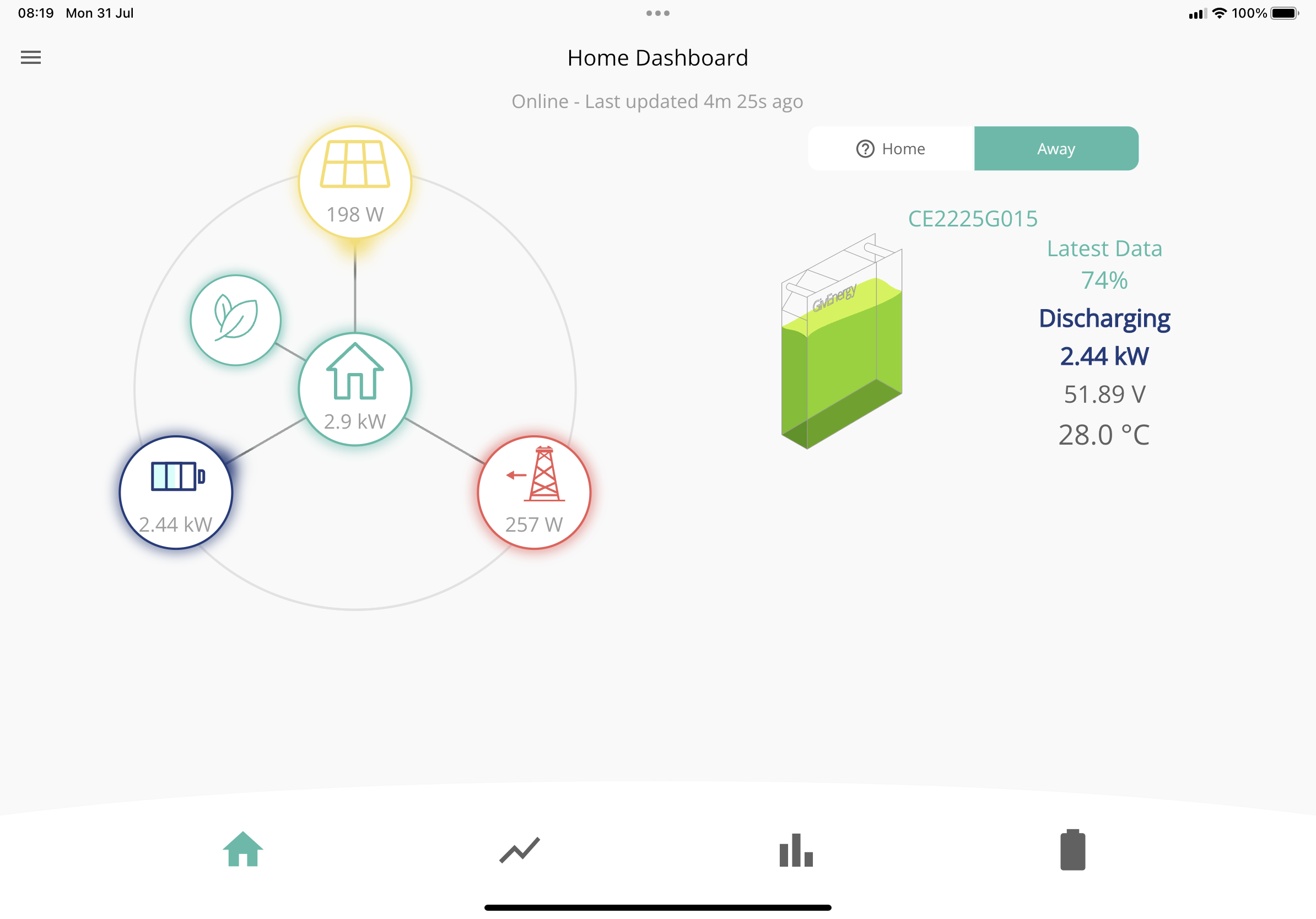
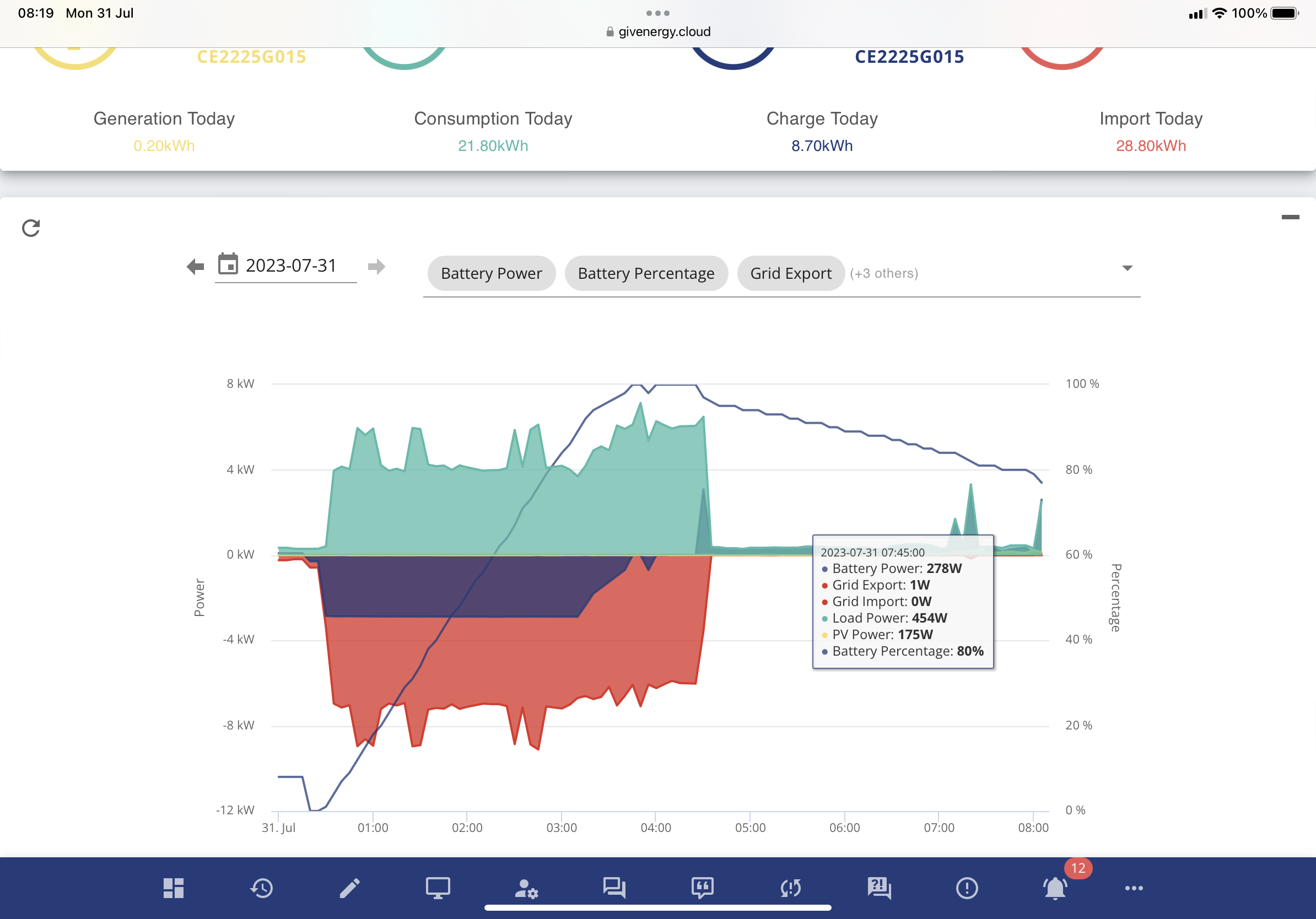
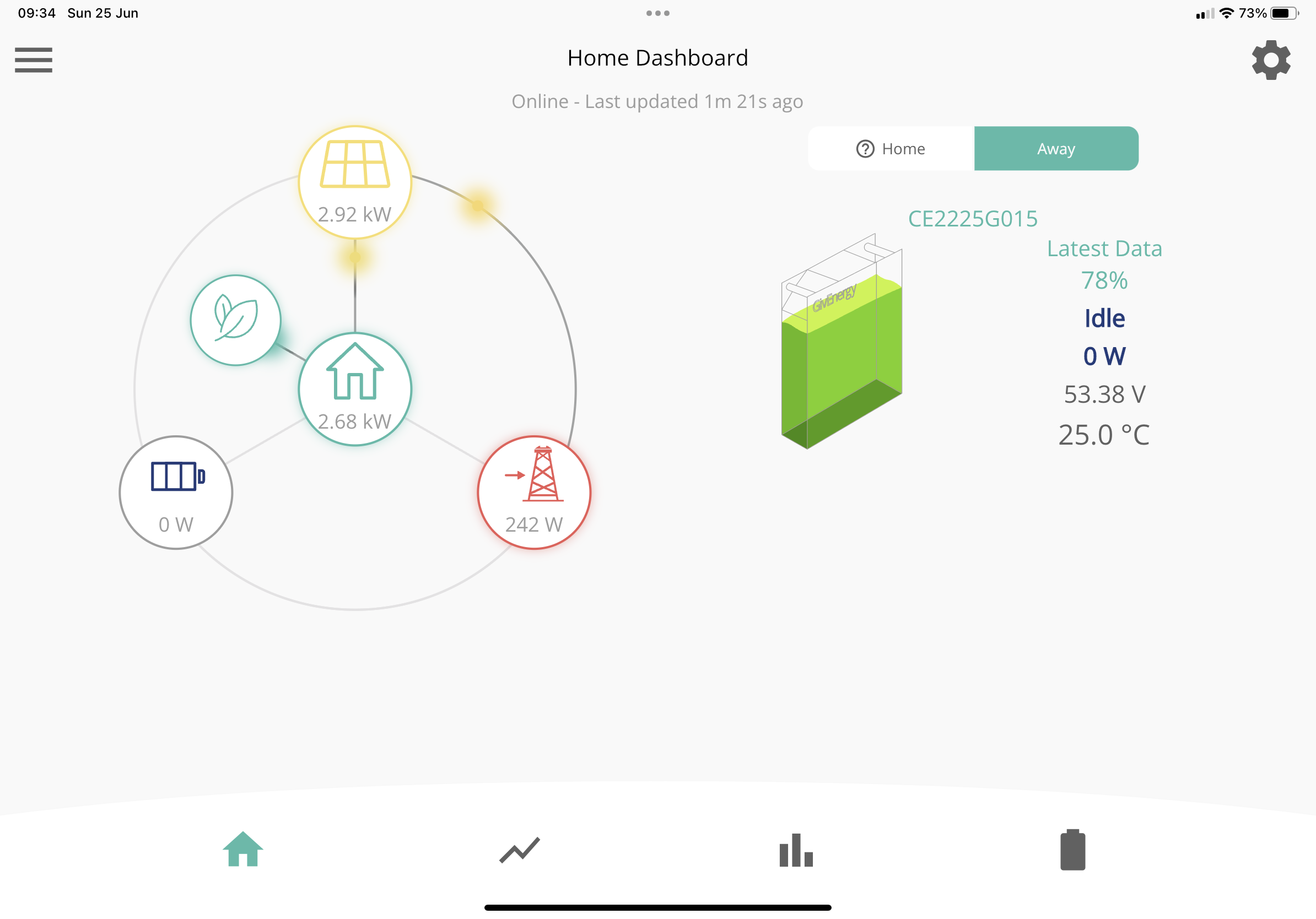
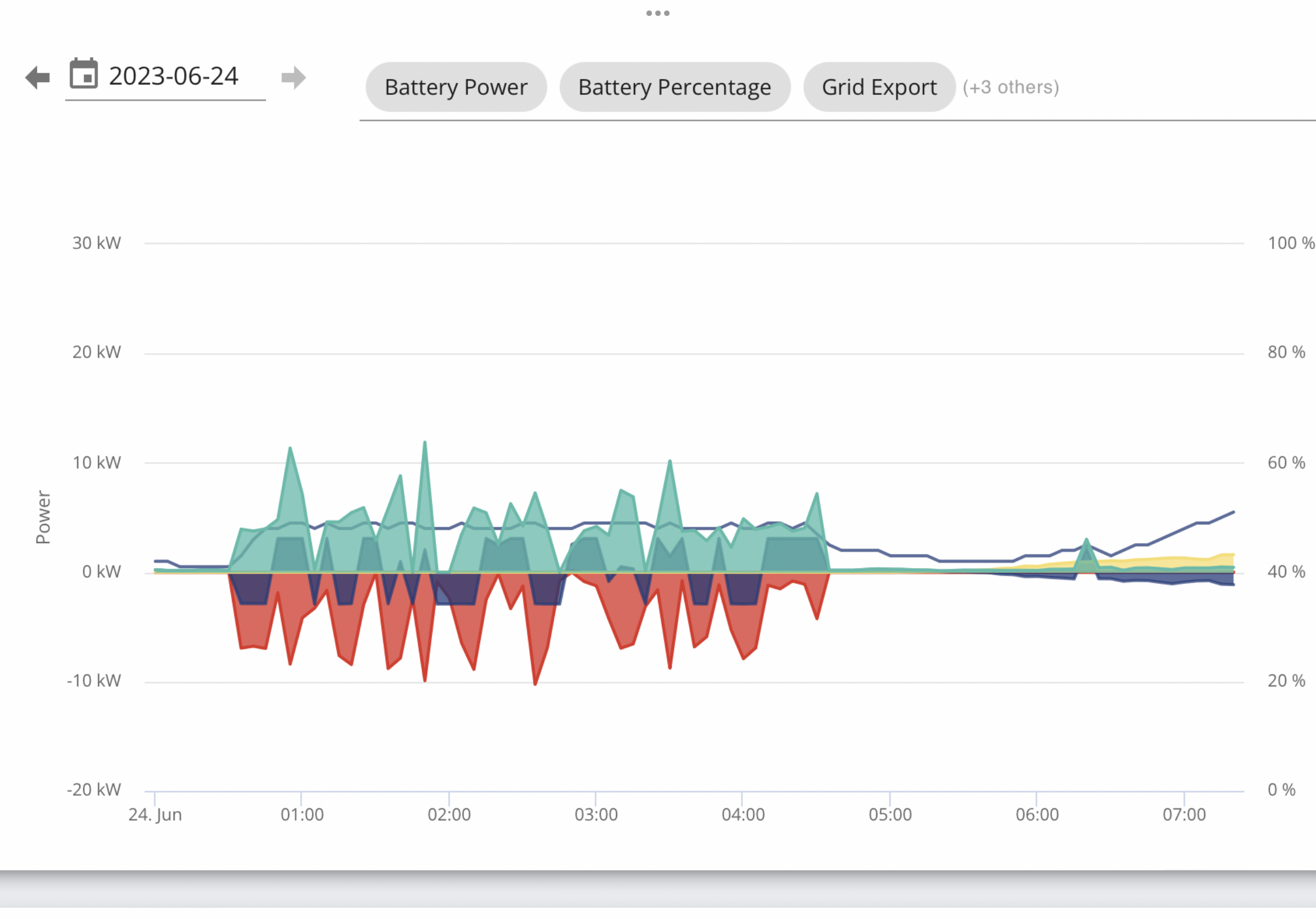
Since I have had my panels and battery (8.2kWh and AC3 inverter) my podpoint will not charge my car at a rate faster than 3kWh when either my panels are producing or if I am charging my battery at the same time as charging the car. When the battery is full at night the rate increases to normal. The solar set up and EV charger are on a separate consumer unit to the main house supply due to location. My installers told me this was to do with my incoming grid supply being limited but that doesn’t sound right. A couple of screenshots attached to help calrify, the first with my car charging through my 7kWh charger, the second shows the overnight battery and car charging issue.
![

](https://)

I
#2 Icosens

Ignore those images, attached the wrong ones

I
#3 Icosens

![

](https://)

T
#4 Tim

Icosens My installers told me this was to do with my incoming grid supply being limited but that doesn’t sound right

It could be right although it does seem quite limiting. Most domestic supplies are protected by a DNO fuse rated at 60A, 80A or 100A. The lowest fuse rating would enable you to pass up to (60 x 240 =) 14.4kW into or out of the premises; the highest rating would be 24kW. Some EV chargers have a feature to enable them to reduce power to the car if the domestic import exceeds a value set by the installer. There may be something about how your supply is configured that requires the maximum to be reduced.

If you are trying to charge your EV and Givenergy battery while generating from your (presumably separate) array, then I'm not surprised that the AC3 is charging from PV, then discharging to supply the EV. This is wasted energy. I'd suggest letting your Givenergy battery charge fully, then let the EV take the diverted surplus PV, or the other way round, just not both at the same time. Alternatively, manually set the Givenergy battery discharge rate to zero while both are charging and that will prevent it from discharging to charge the EV. Set it back to maximum after the EV has finished charging.

I
#5 Icosens

Tim thanks Tim. DNO rated at 100A, but from my main consumer unit the breaker to the PV and EV unit is C40 (32A?)which I guess would mean the 2 together are limited to about 7kW despite the EV individually having a C40 breaker on that unit? Bit limiting for trying to charge both EV and Battery in 4 hours in the winter! And manually setting the discharge rate to 0 has worked … thanks for that.

T
#6 Tim

Icosens Bit limiting for trying to charge both EV and Battery in 4 hours in the winter!

A C40 MCB suggests 40A, so I would presume that the installer has used a 6mm² cable? If the distance between the energy supply meter/isolator and the PV/EV consumer unit is less than 3m, the installer could wire up the PV/EV consumer unit directly to the energy supply meter isolator. Alternatively, replacing the 6mm² cable with 10 or 16mm² cable between the two consumer units (he's best placed to advise on the size) would allow a larger MCB to be installed in the main consumer unit and remove the 7kW power limit from that supply cable.

I agree that attempting to charge both the EV and Givenergy battery overnight during a 4 hour window will be almost impossible with a 7kW limit. Our installer commissioned a new "solar" consumer unit where our two HY5s are connected. That consumer unit was then connected to the main consumer unit with a 16mm² T&E cable and a 63A MCB. We can push the full 10kW from the PV to charge EV/supply house/export etc with no issues. You may have to pay the installer to sort out the issue, but it should be solvable before you become reliant on overnight charging.