
#1 Midlands_Solar
The last three days, and some changes as to how the battery is better utilised has certainly made some significant savings.
Now if only EON would sort out my SEG 🫣🤐🙏🏼
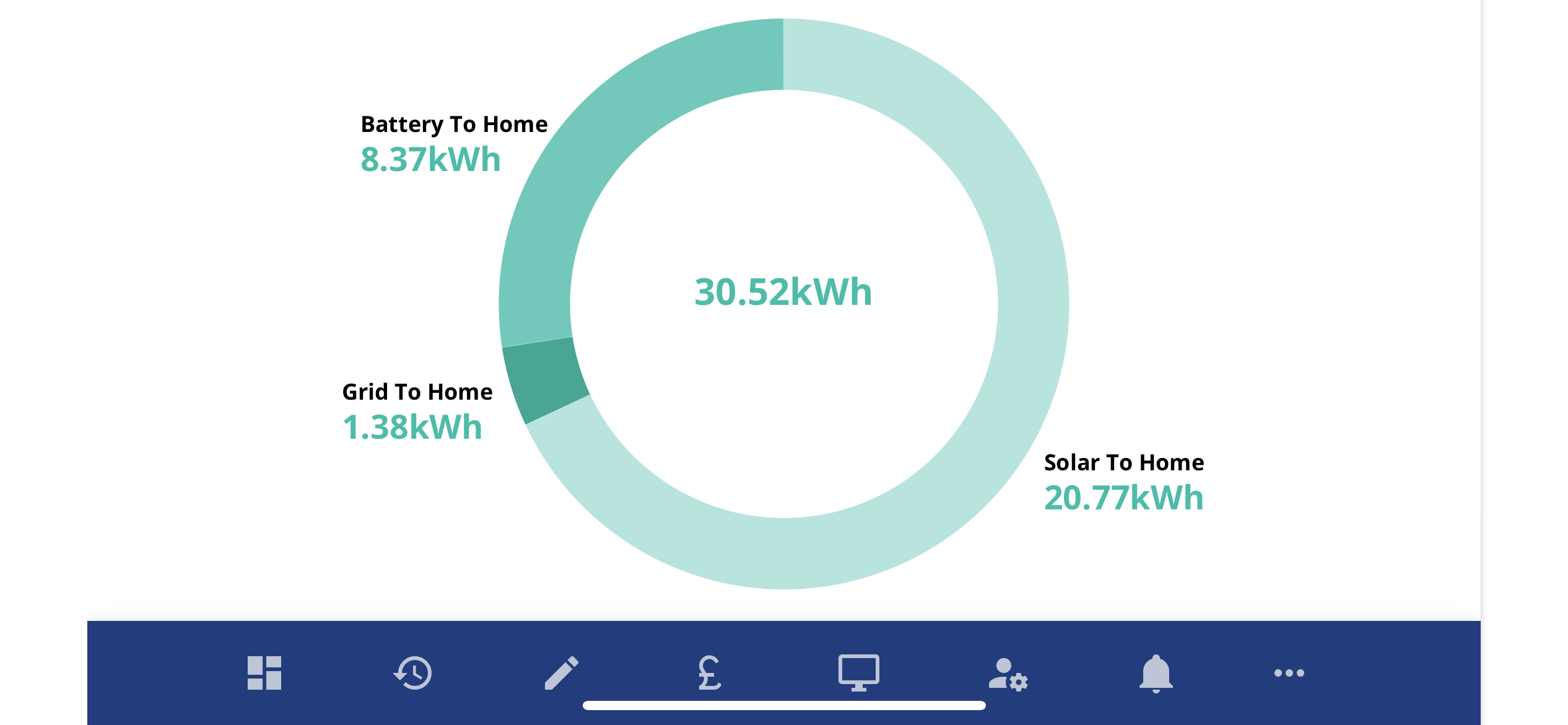
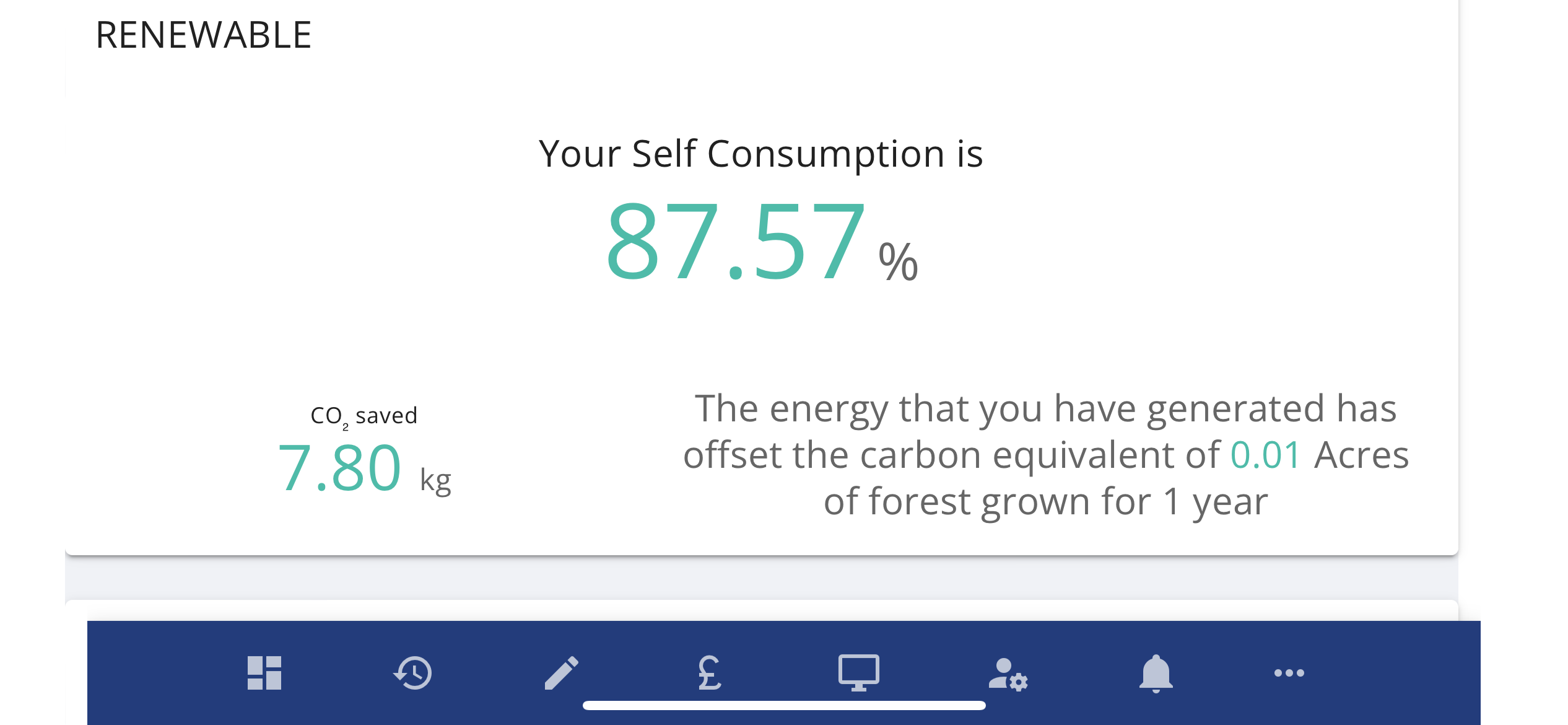
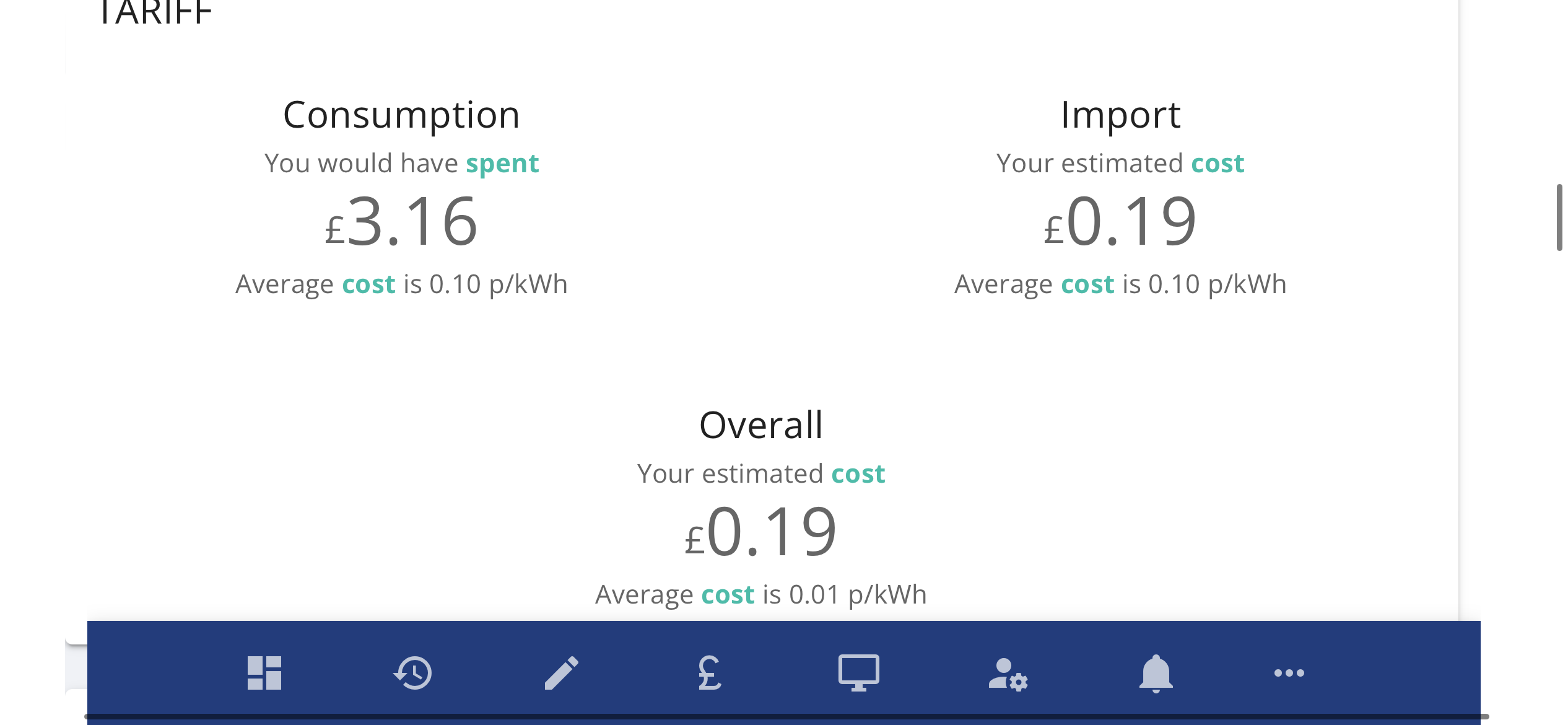
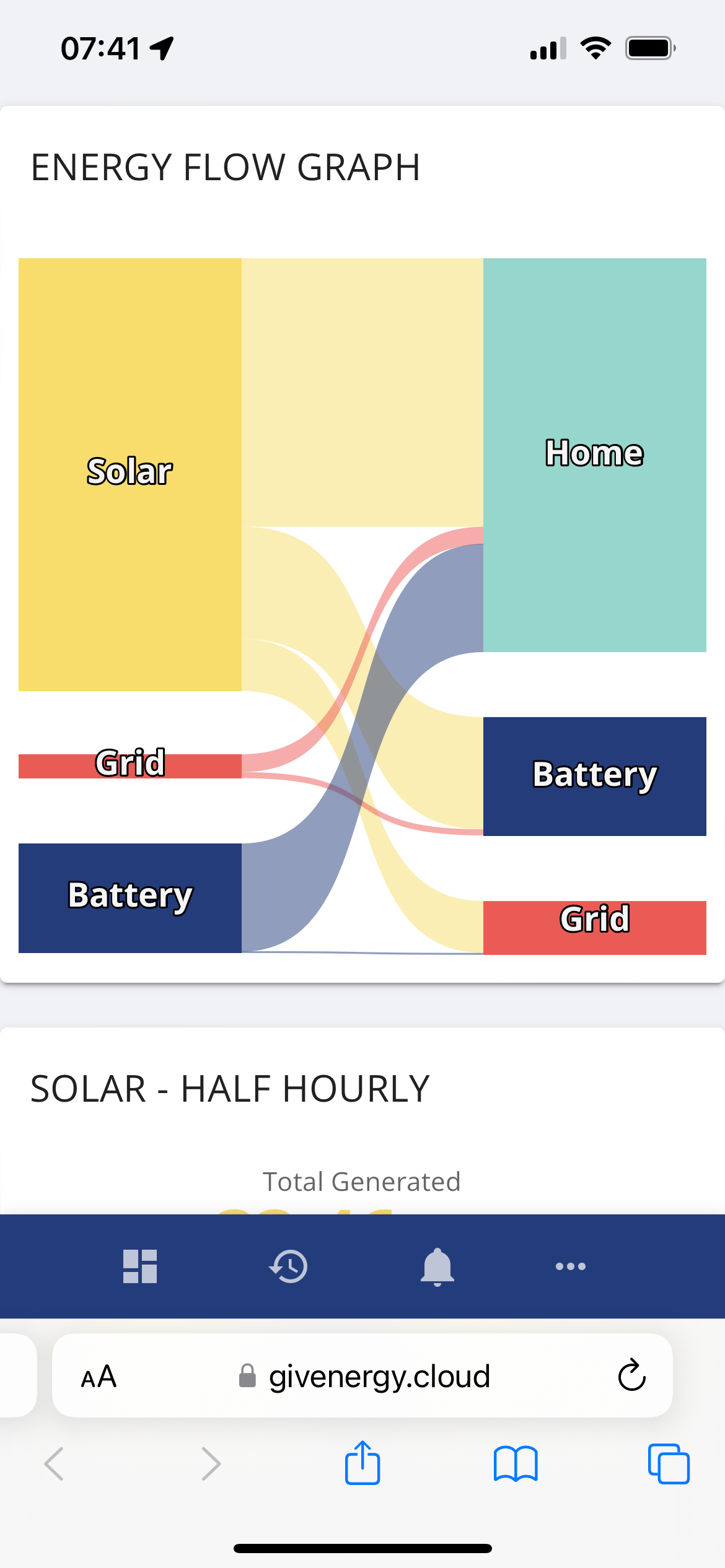

The last three days, and some changes as to how the battery is better utilised has certainly made some significant savings.
Now if only EON would sort out my SEG 🫣🤐🙏🏼

By yesterday my panels had generated a total of 1 MWh since installation in late November. ( 5.25 kWh array )
Considering the crappy weather since installation in late November I'm quite pleased with that.
I'm quite pleased that my export payments for March will cover my import costs and my electric standing charges too.
And hopefully April will be even better!
TX200 For me looks like April will be my break-even month. February export £40, March export £80 (511kWh) but I also consumed £115 (984kWh) of import this month.
This’ll be my first summer of being paid for solar export as I didn’t get my export tariff until mid August last year.
Be interesting to see if the summer export can pay for the high winter import (ASHP). I think it’s possible.
Approx 10mW generated last year.

Only 10 milliwatts?
nophead yep, especially made custom small solar panels. Perfect for grey days like today. 😂
Solcast had it another sunny day today but its now looked out the window and updated its forecast ☹️

geoffreycoan
Not going to make £35 back on Power-ups this month, Geoffrey?
nophead
We should have a smiley icon
geoffreycoan
We're quite near the coast and often get a grey and chilly high mist that occludes the sun. Jump on the bike and head inland for half a mile and there's bright sunshine ☀️
PianSom Good point, I’d forgotten about the power ups. I was just looking at the £/kWh in the Octopus app.
The Octopus power up reimbursements come in batches so I never know when they align to but if I look in my Energy dashboard in Home Assistant which does take account of the power up rates, I can see I’ve had 138kWh of free electricity in those events, about 1/8th of my consumption.
Total net bill for March after power-ups but excluding saving sessions, £14.50
Three Octopus saving sessions earnt another £7.60, so doesn’t look like I will quite break even this month. Oh well
BTW, off topic, I’ve recently downloaded my half hour meter readings back from June last year so I could sum up and populate a spreadsheet of import, export, generation, consumption to work out whether to go to Flux or stay on Agile in the summer. I use the givtcp_xxx_import_energy_kwh in my HA dashboard (with a tariff selector that harks back to Flux but I use it now for free powerup’s).
Comparing month to month of my Octopus meter readings to the GivEnergy inverter import/export readings, they were within a kW on every month so despite them not being certified they’re an excellent proxy for meter data. Much better than my Shelly EM1’s that read about 7% high all the time and no way in the firmware to adjust it. Can’t be bothered with a template sensor in HA.
geoffreycoan
Interesting - how do you use a tariff selector to incorporate Power-ups? I did ask you about if I could use the Predbat rate somehow a few months ago iirc, to save me having to enter PU details multiple times, but it didn't seem to be possible. Are you using your PU automation to both edit apps.yaml and write a HA tariff?
I too find my AIO readings are pretty damn close to the Octopus meter readings. So close that the difference is irrelevant.
I do keep an eye on the solar generation from my PV inverter output, readings from my Eddi CT clamps, and the AIO input. Quite static differences - though I have no idea which is accurate. Maybe they all are and I can see real losses!
PianSom You should be able to use the predbat rate (predbat.rate if I remember correctly) to drive the energy dashboard, the only problem I can forsee is that its only updated as part of a predbat run so you’re going to get some lag, potentially a minute or so at the start of each half hour slot whilst predbat recalculates the plan, etc.
I use the current rate from the octopus integration on the basis that it updates quicker, but even that doesn’t update at 0 seconds after the slot starts - IIRC it updates about 10-15 seconds into the slot. Probably there’s a polling frequency being applied.
But answering your question, I basically followed the process laid out in a speak to the geek video from a couple of years ago (and was updated recently). I create a utility meter called grid_import_today and feed it from my givtcp_xxx_import_today_kwh, and in the utility meter config set up tariff’s of ‘day’ and ‘free’. Top tip (confirmed to me by YouTuber The Bearded TInker) is that if you need to add extra tariff’s to the utility meter you can delete it from HA and recreate it with the extra tariff’s and all the history gets retained.
Anyway having created the utility meter with tariffs called sensor.grid_import_today_free and sensor.grid_import_today_day I can add these as separate entries to the energy dashboard with the appropriate tariff rate.
I then have an automation that changes select.grid_import_today to ‘free’ and back to ‘day’ at the start and end of the power up period - the automation being driven by helper entities that I populate. Its the same helper entities that are used to feed the .sh script that appends the power up rate override to apps.yaml for predbat.
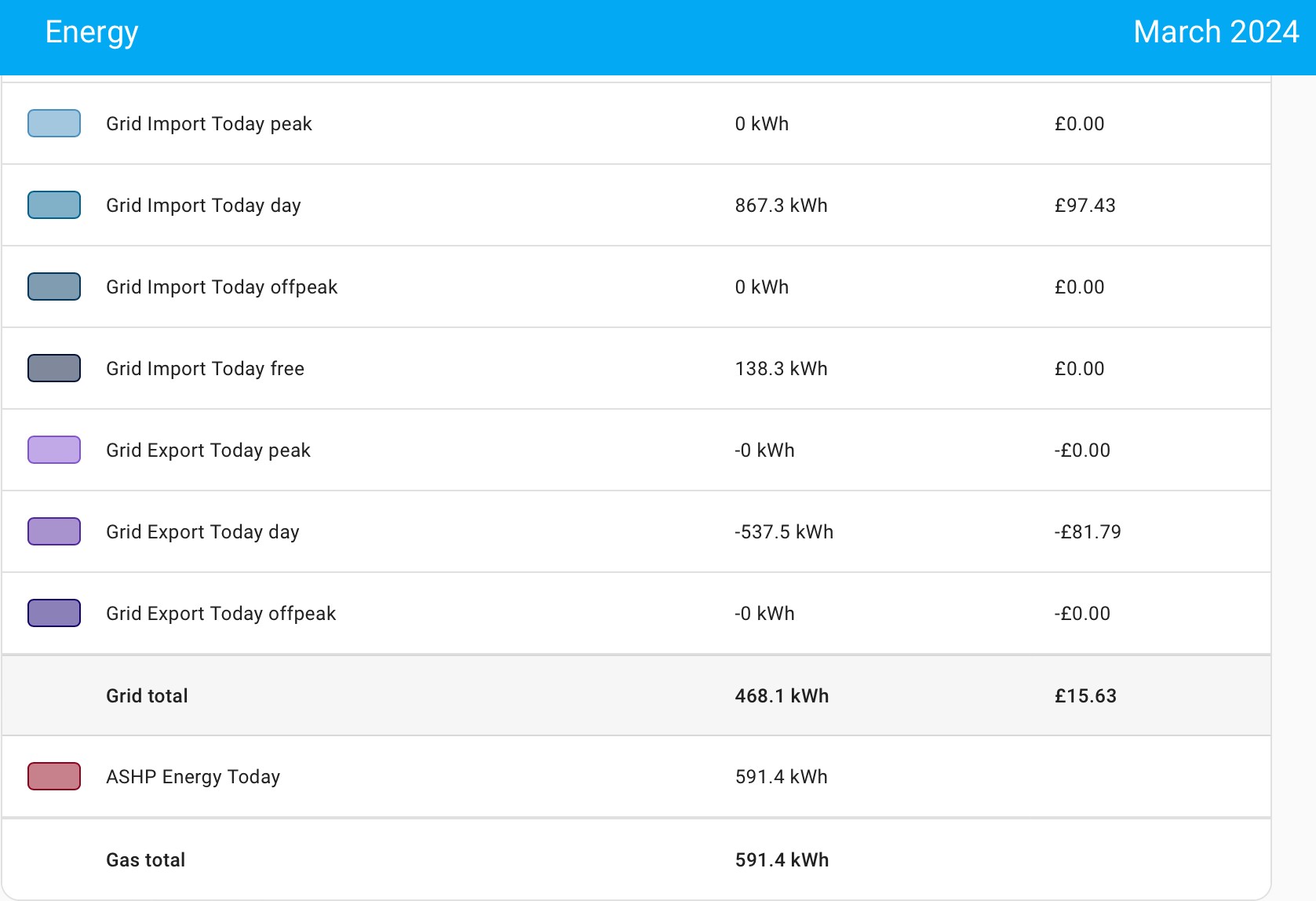
The unused different rates for import and export in the energy dashboard are from when I was on Flux last year.