Rbor Why can't my smart meter data be communicated by broadband?
We’ve had this conversation before on here, I don’t know for sure, but if I was setting up a DCC service to collect smart meter readings and deposit them in a central database that electricity suppliers could then read, I would want control of as many aspects of my service as I possibly could have.
That includes the underlying network which I would want under my control, or at the very least contracted to a company to deliver to my SLA’s.
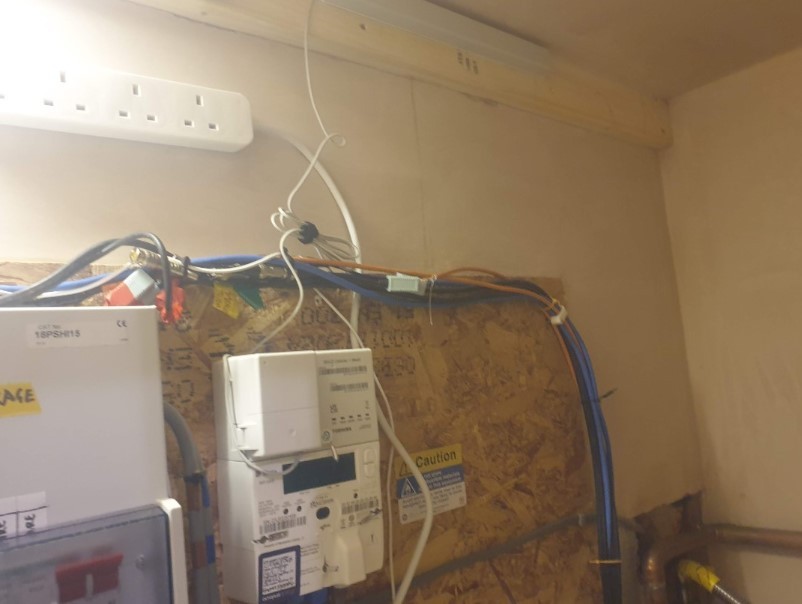
Yes there are issues with 3G and radio coverage but that’s nothing compared to the issues you would have with using customer broadband services. Lack of wifi signal in the meter cabinet, WEP/WPA/WPA2/WPA3 and all the encryption protocols to negotiate, the list goes on.
Just look at how many messages we see on this forum along the lines of “I just changed my broadband supplier and discovered that my GivEnergy inverter doesn’t connect any more. I never realised that could happen. How do I fix it?”
Then for your smart meter not sending meter readings back to the centre, most customers would never notice, or if they did they’d consider it a bonus that they were getting free electricity and no-one was collecting the meter readings.
And of course when smart meters were first deployed home broadband was much less prevalent than it is now, and you’d still need a network service for customers that don’t have home broadband.
What I find most scandalous is that Capital and the network providers can hide behind “we have 99.3%” network coverage. Something like 20 million homes in the UK, that’s about 140,000 customers who get zero network coverage, and then there’s the people with flakey coverage.
And why does it have to go to Octopus via DCC and Capita?
Because that’s the way the contract was setup by the government. Rather than having each electricity provider have to talk individually to the smart meters, the DCC provides a central service. Lowers the cost of entry for new electricity suppliers and sets clear boundaries of responsibility (well would do if they have a 100% service delivery requirement). Having two network providers is as the BBC report says is a bad idea.