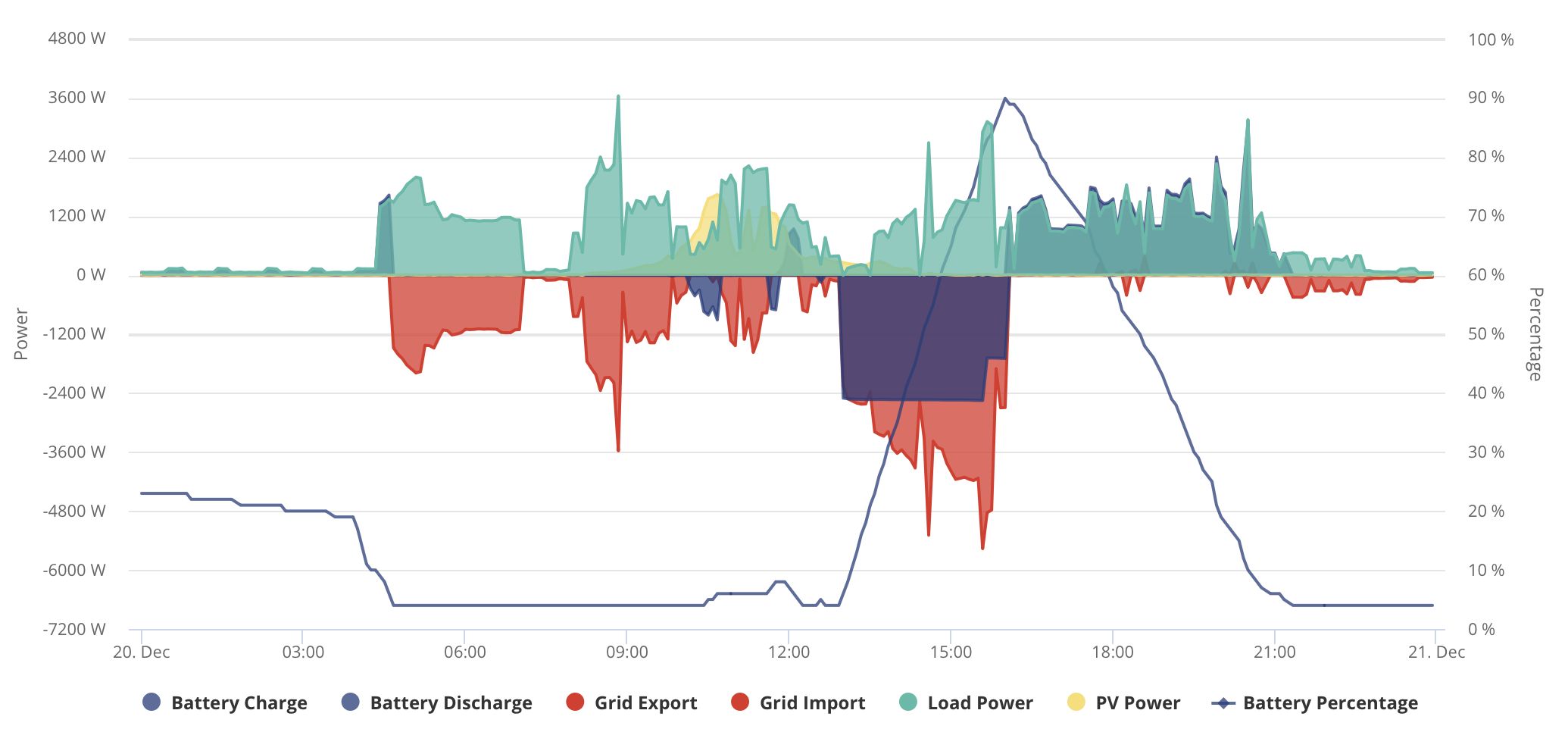
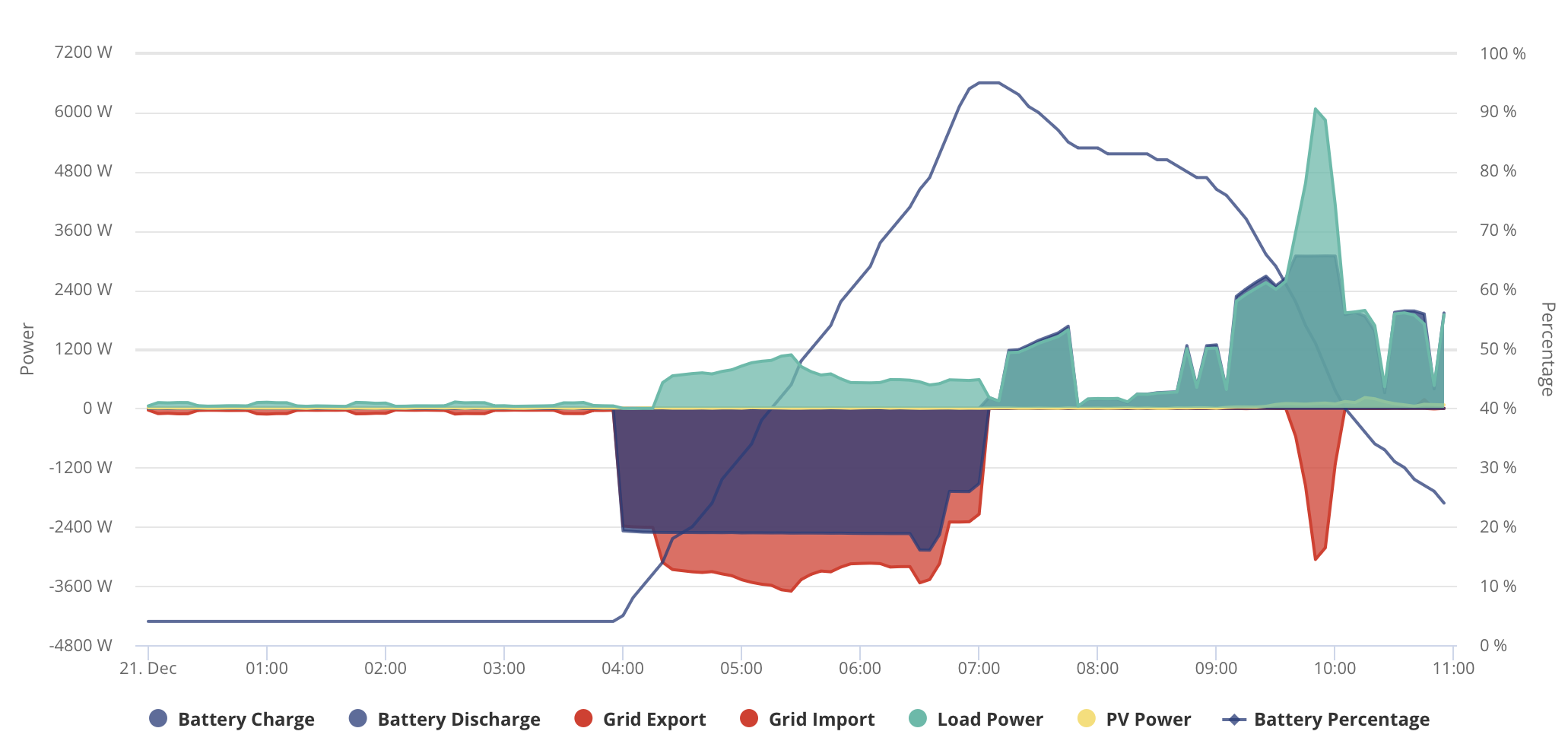
Yesterday (20th Dec) I noticed our battery dropped its charging power from 3kWh to 2.4kWh, and today, it stayed on 2.4kWh and eventually dropped lower. The charging power has been set to 3kWh in the settings, and till yesterday this is the power it used. Can you please look into it to see what's the problem? I've enclosed screen shots of the system from yesterday and this morning below.
Yesterday (20th Dec 2024): Notice the drop in power at around 15:30. Usually the battery would have fully charged in the three hours from 13:00 to 16:00, but it didn't and reached only 90% charge due to the drop in input power.
Today (21st Dec 2024): This morning the charging power stayed at 2.4kWh for most of the charging period from 4 to 7am, before briefly rising, only to subsequently fall to 1.7kWh just before 7am.
G
#2geoffreycoan
ajmisquitta Sounds very much like a temperature related issue. If you search the forum you’ll find other articles on this, with battery firmware 3017 and 3018 the battery reduces the charge rate if the cell temperatures drop below 20 degrees.
It is by design to protect the battery chemistry with low temperatures and attempt to charge too fast.
And BTW the temperature you see in the portal and app is the battery management board not the cell temperature. The BMS temperature rises much quicker with charging and discharging, the cell temperature is usually lower.
Best approach is to insulate your battery if you can do and do a low slow charge to keep the battery warm.
Can you please look into it to see what's the problem?
And be aware this is a customer forum, not givenergy support, we can’t look at your inverter, only give advice based on our own experiences
N
#3NormC
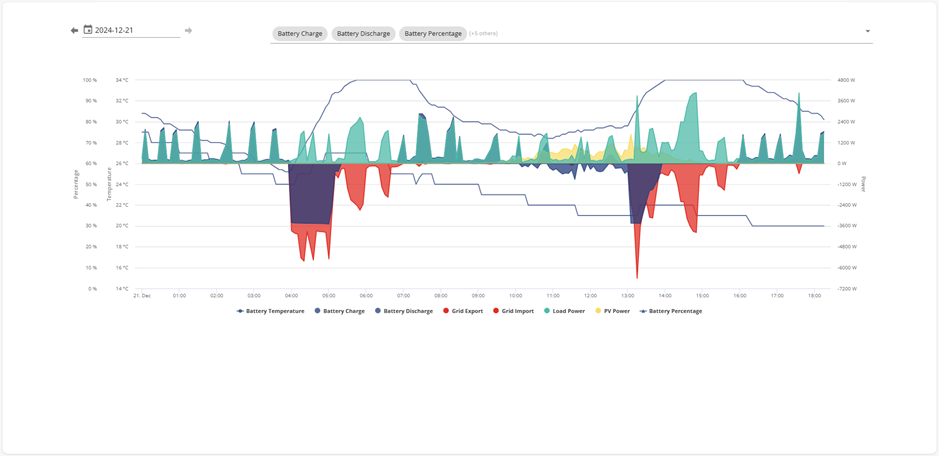
ajmisquitta I also think that it is temperature related. You can add the temperature to the Power Graph to check. Just above the graph there should be headings, such as Battery Charge, Battery Discharge, Battery Percentage. To the right it says (+4 others). If you click on the +4 others you can select the battery temperature and it will appear on the graph. The BMS will also reduce the charge rate when the battery gets to a certain percentage.
A
#4ajmisquitta
Hi NormC and geoffreycoan : Thanks for replying. It is indeed possible that it is temperature related. I hadn't seen this issue before, but only recently updated the firmware to 3017, which, as @geoffreycoan says, may well be the reason for the lower charging power.
Temperature (in the battery management board) was below 20C at the time, so I guess this will be the situation for the reminder of the winter. Ours is an external battery and I can't think of a reasonable way to insulate it. However I have been charging it off the grid everyday during the low-cost sessions from Octopus.
All the best.
V
#5Vestas
geoffreycoan the temperature you see in the portal and app is the battery management board not the cell temperature.
I thought that too, in fact I'm sure I remember it being the BMS temperature
However when looking at My Inverter -> Battery Data and comparing it with GivTCP it seems to be the temperature of cell 1 rather than the BMS.
A
#6ajmisquitta
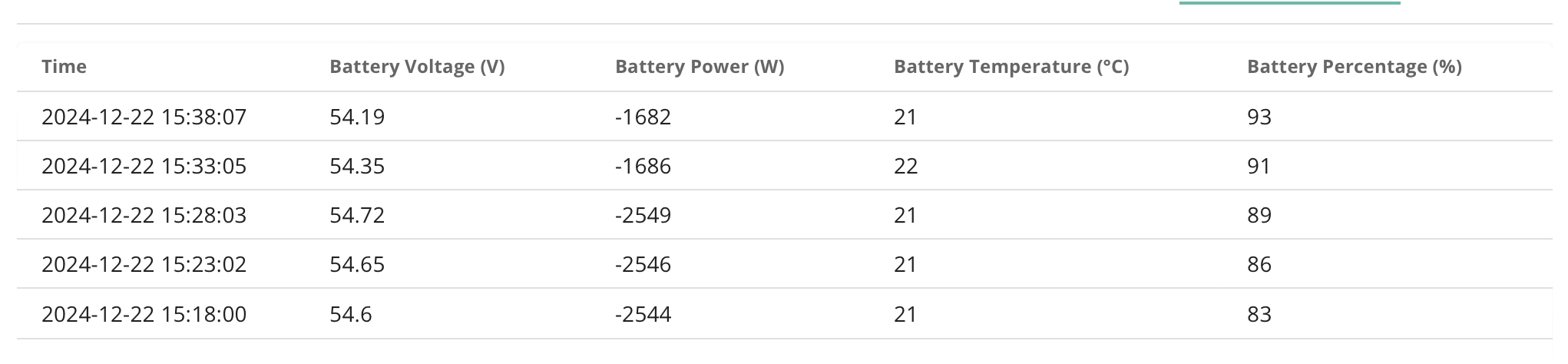
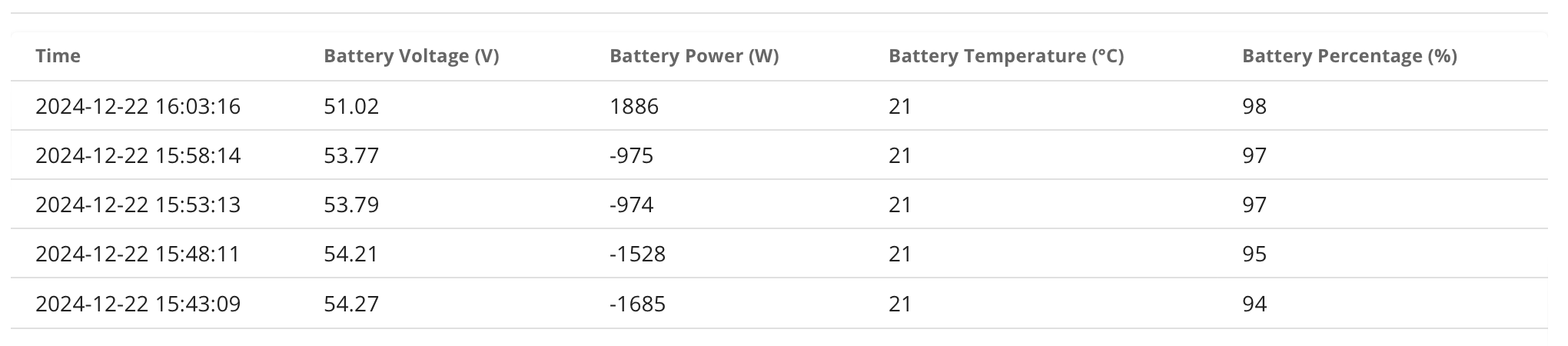
There may be something wrong with this firmware (3017) as it doesn't actively increase charge power when the battery cells warm up. I took @Vestas suggestion and looked at the Inverter -> Battery Data to check cell temperature and got this for a recent charge:
You can see that the charge power stays at 2.5kWh even though the cells are now at 21 C, but when then power dropped to 1.6kWh at 22C, and subsequently (see below) to only 0.9kWh:
So while I can understand that the firmware (3017) is trying to keep the cells in a safe zone, I can't see why the power remains so low when it appears that the battery should be in a safe zone.
Any ideas?
V
#7Vestas
ajmisquitta That's the "10 step charge". Basically the battery charge rate ramps down in 10 steps between 90-100% SoC to prevent overcharging. Working as designed.
G
#8geoffreycoan
Vestas However when looking at My Inverter -> Battery Data and comparing it with GivTCP it seems to be the temperature of cell 1 rather than the BMS.