
Power cut protection

6 comments started 2026-01-24 last 2026-01-24
Mobile AppGivEnergy ProductsBattery
F
#1 Forestman

So today, our street had a power cut. It was sunny so was generating solar power and I had a full battery, yet instead of my system kicking in the whole house went dark. Anyone know why? My GivEnergy settings are on eco and then with timed charge and discharge periods. Is the timed discharge period set to cover the expensive power period essentially blocking the system from switching to power the house?

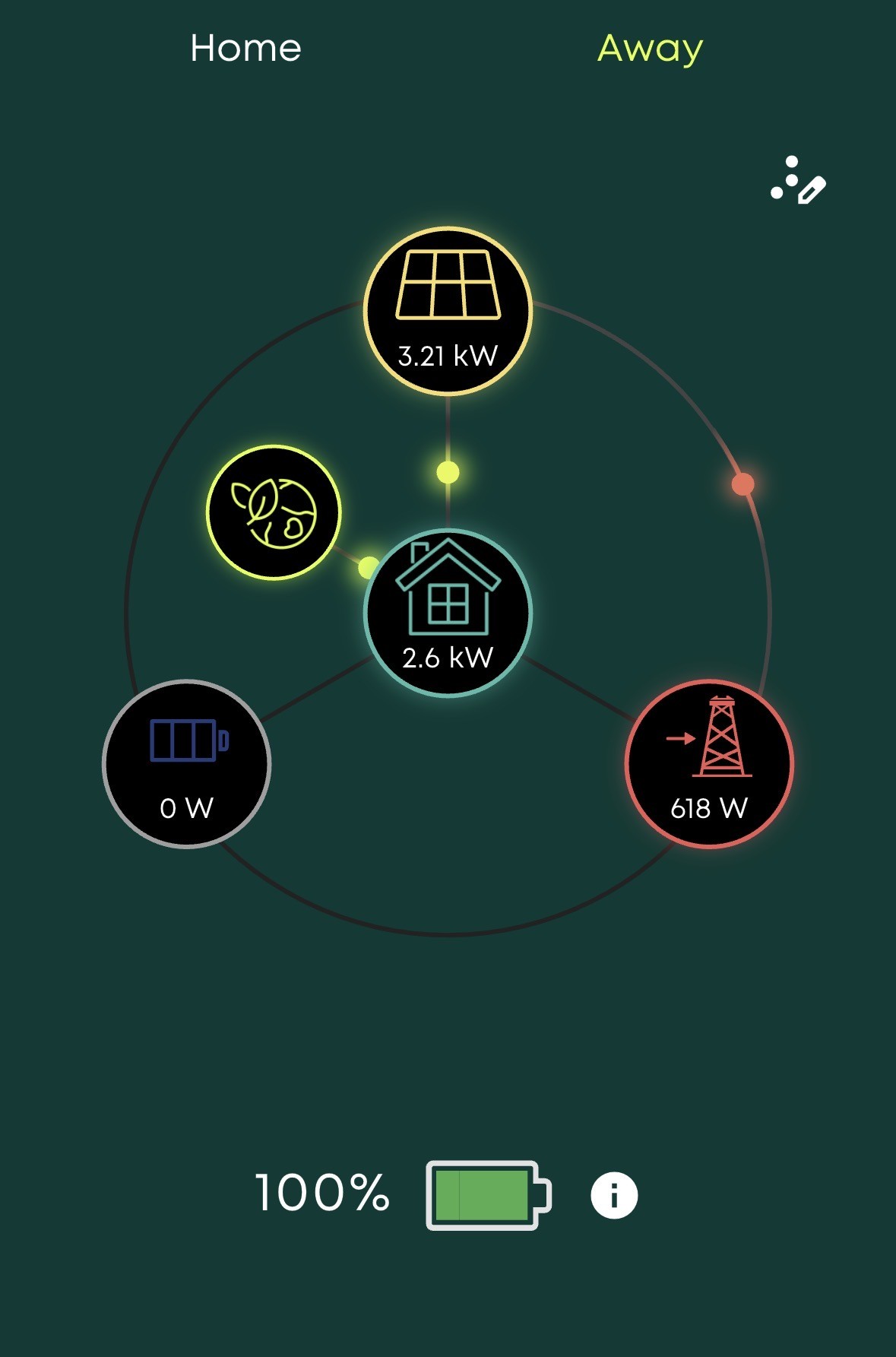
Now power back on, madly only 300W coming from the grid with the rest being powered by my panels. So even if the battery was covering it could do so easily. Very odd.

Thanks
S
#2 SteveCook

When the grip power to your inverter is lost, it shuts down so that any electricity from your PV or battery does not feed from your house and back into the grid and possibly electrocute anyone trying to fix the grid. This is islanding mode.
My Hy 5.0 Gen1 has an EPS output (Essential Power Supply) that I have fed to s dedicated consumer unit that keeps lounge power, fridge/freezer, smoke alarms, burglar alarm, router etc going when power is cut. We can sit in the warm, watch TV and have a cold beer. Make sure big electrical loads are not on this consumer unit as you may overload the EPS circuit, and or drain you battery very fast.

https://givenergy2025.zohodesk.eu/portal/en/kb/articles/connecting-emergency-power-supply-for-inverters-guide

You need to get your installer to turn on EPS mode and you will need a dedicated earth rod, as the grid earth is lost when the inverter goes into islanding mode

F
#3 Forestman

Madness that now the power has come back on its reset the system and my panels are making more power than I need and I’m exporting when we were sat in the dark 20mins ago….

I’ve switched off the forced discharge times from GivEnergy settings to see if that helps for next time. Daft that the system doesn’t override when not enough from the grid coming in…

S
#4 SteveCook

Forestman See my post. If you wanted an EPS setup, it should have been configured as part of the original install.
Lets say a cable in the street was cut. The electricity company would turn off power at the local substation to allow someone to fix the damaged cable. The sun comes out and your PV starts generating and the man holding/fixing the cables gets a shock/dies. That's why on grid failure your system has to disconnect from the grid

F
#5 Forestman

SteveCook oof I didn’t know that. There were some power fluctuations about a year ago that caused all our neighbours lights to flicker but ours didn’t which I guess didn’t trigger the full problem. Thanks makes sense albeit a complex one for me to put a EPS ring on. Thanks

P
#6 pwdst

The inverter and batteries have to comply with regulations around islanding - as do all such systems. In effect these aim to prevent energy from your system going back out onto the grid during a power cut and potentially harming a worker trying to fix the fault, or damaging grid equipment or items plugged in in your neighbouring properties by being unable to maintain voltage and frequency within spec.
If you imagine a single solar inverter trying to run twenty properties who might not know that the power has gone then you can imagine the issue. Even within your own property it would be easy with the oven and washing machine (for example) running it would be easy to overload your inverter.
GivEnergy equipment does have EPS (Emergency Power Supply) capability - either for your entire house, a single circuit or just a single socket - but this needs to have been set up by your installer. It will likely require an earth rod and either an automatic or manual cut off switch to isolate you from the grid.
If you have an All In One (AIO) system then as I understand it these are fitted with a gateway as standard, but otherwise I think backup would have to be discussed with the installer and would have been at extra cost.
If your consumer unit is close to the inverter then it might not be difficult or massively expensive to add whole house backup with a manual cut off switch - which also gives you the opportunity to switch off or isolate any high loads before switching the power back on.
As I understand it your batteries will still be charged from the solar whilst there is empty capacity.