JayC68
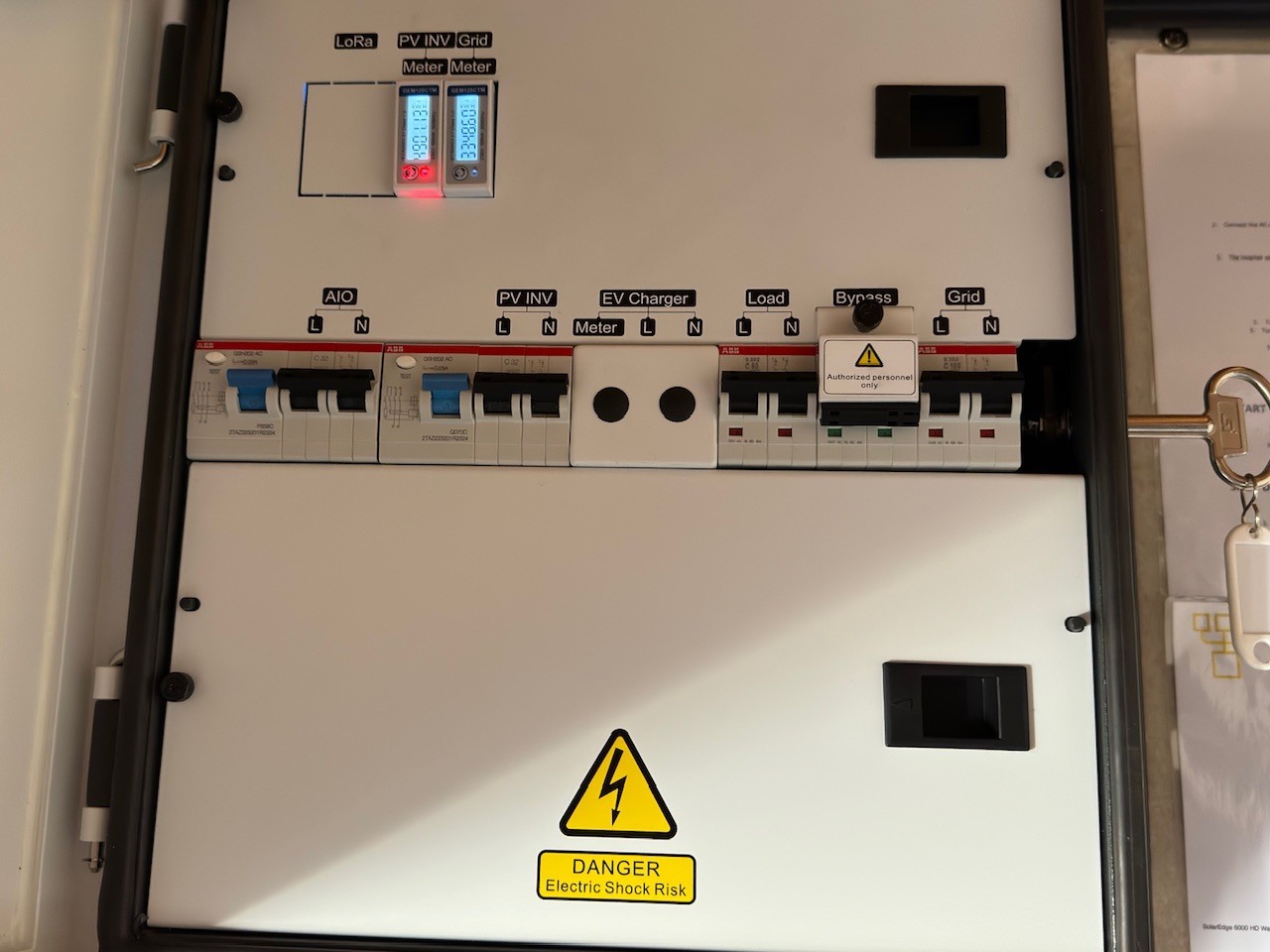
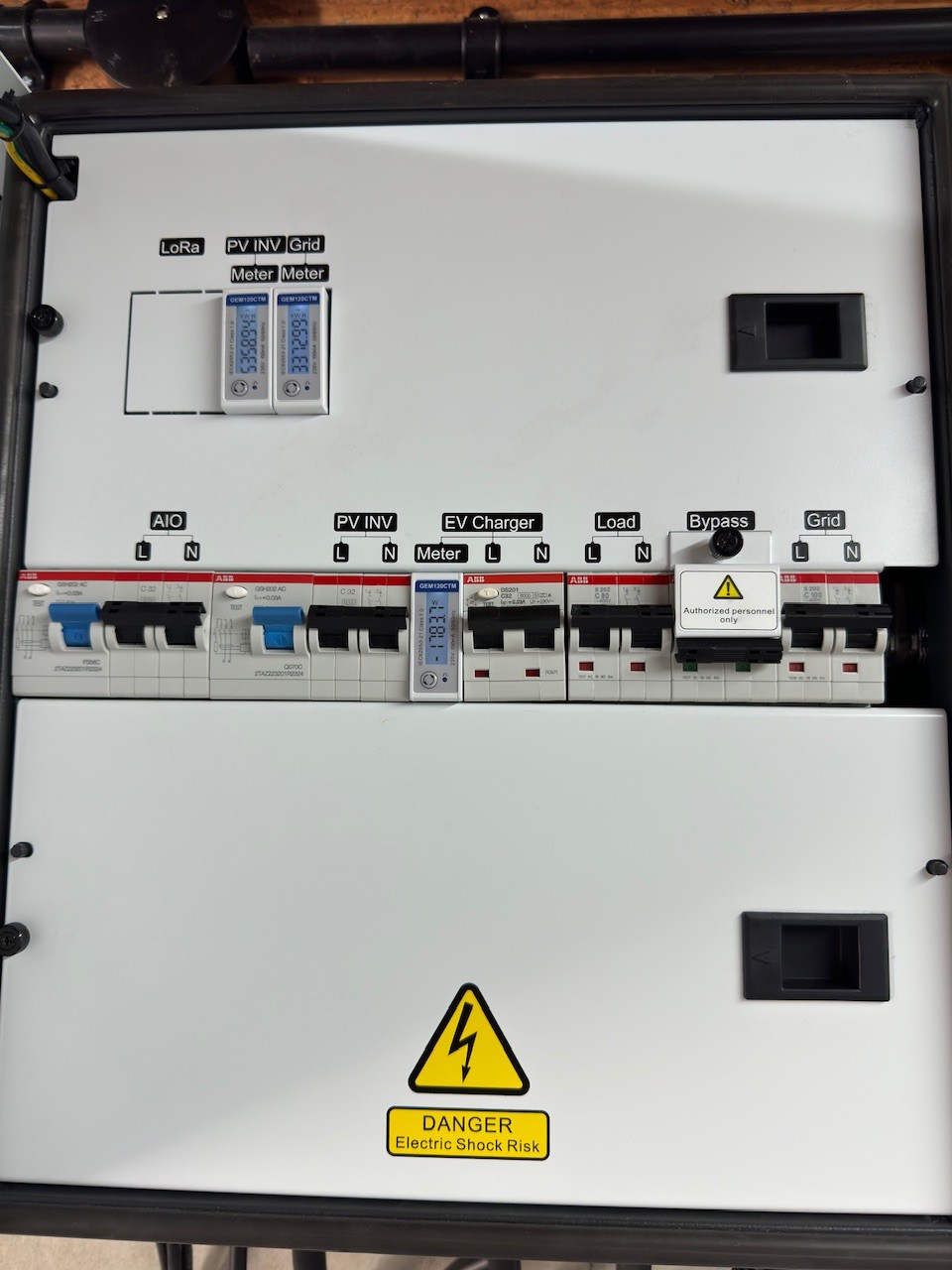
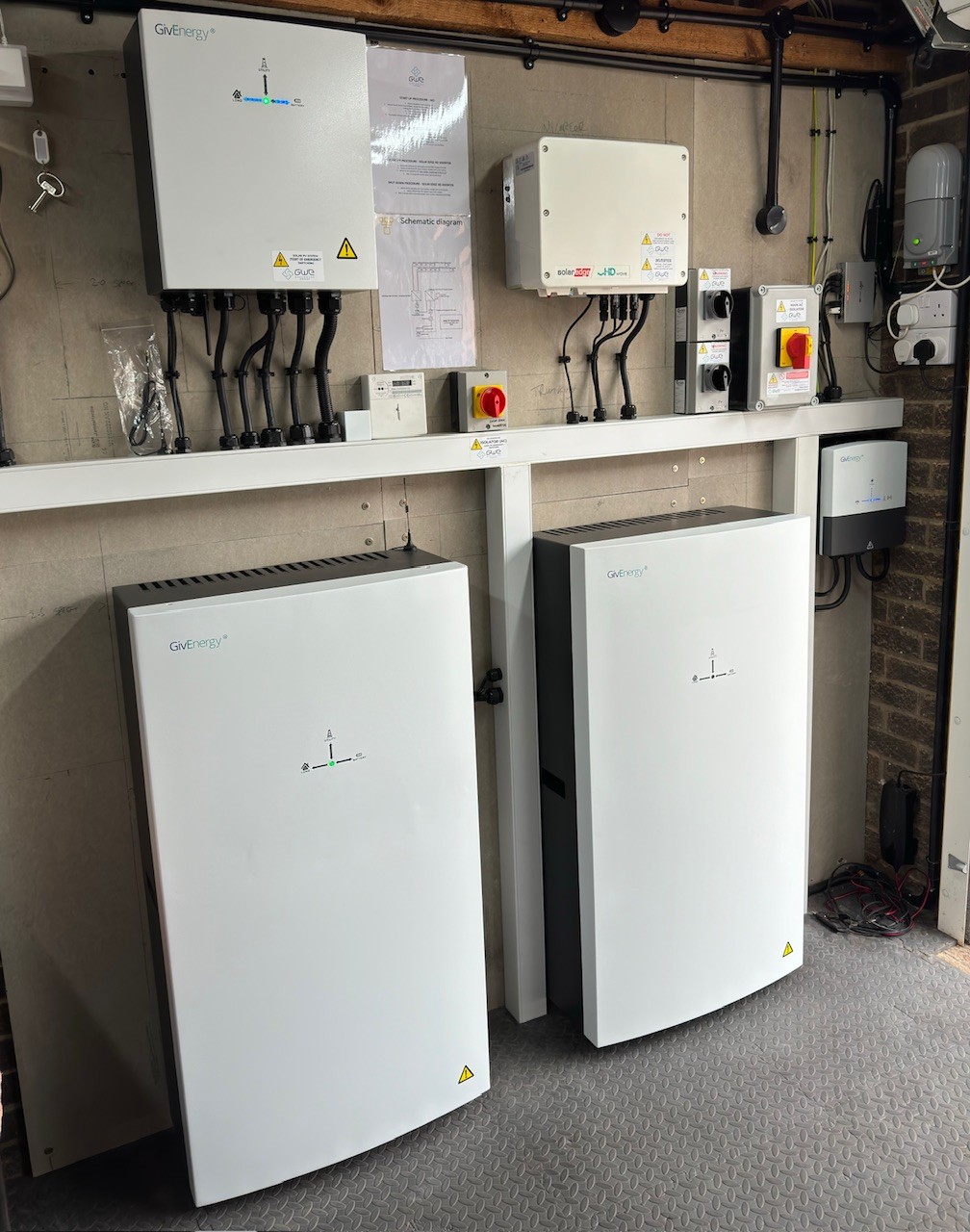
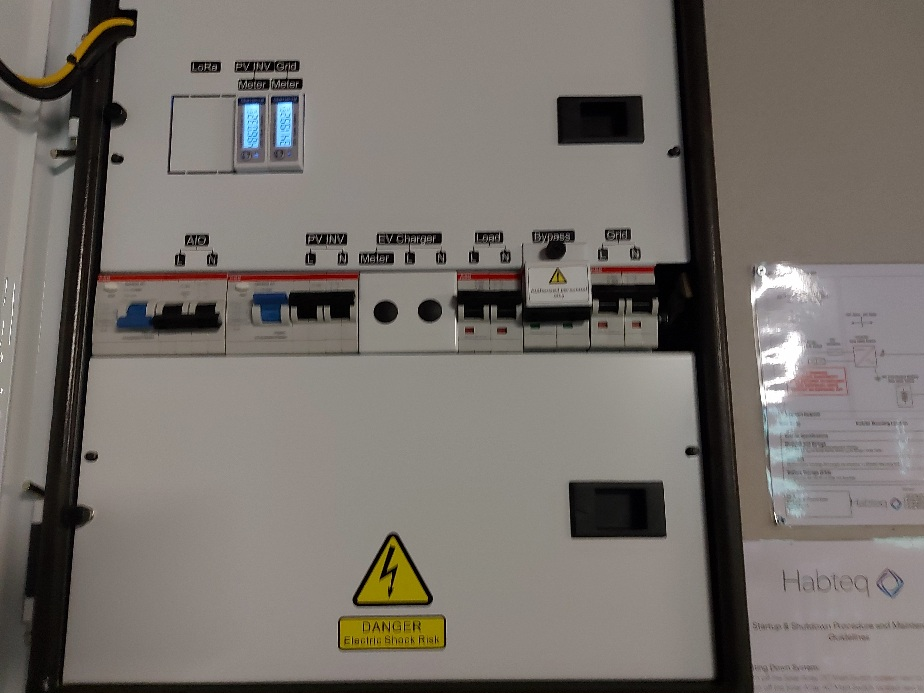
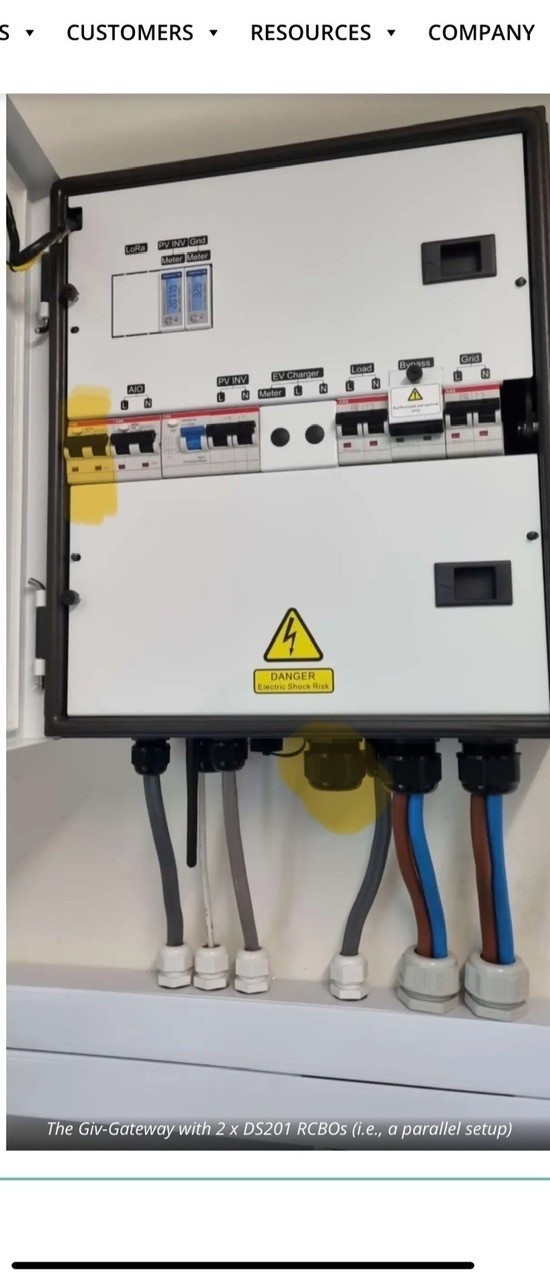
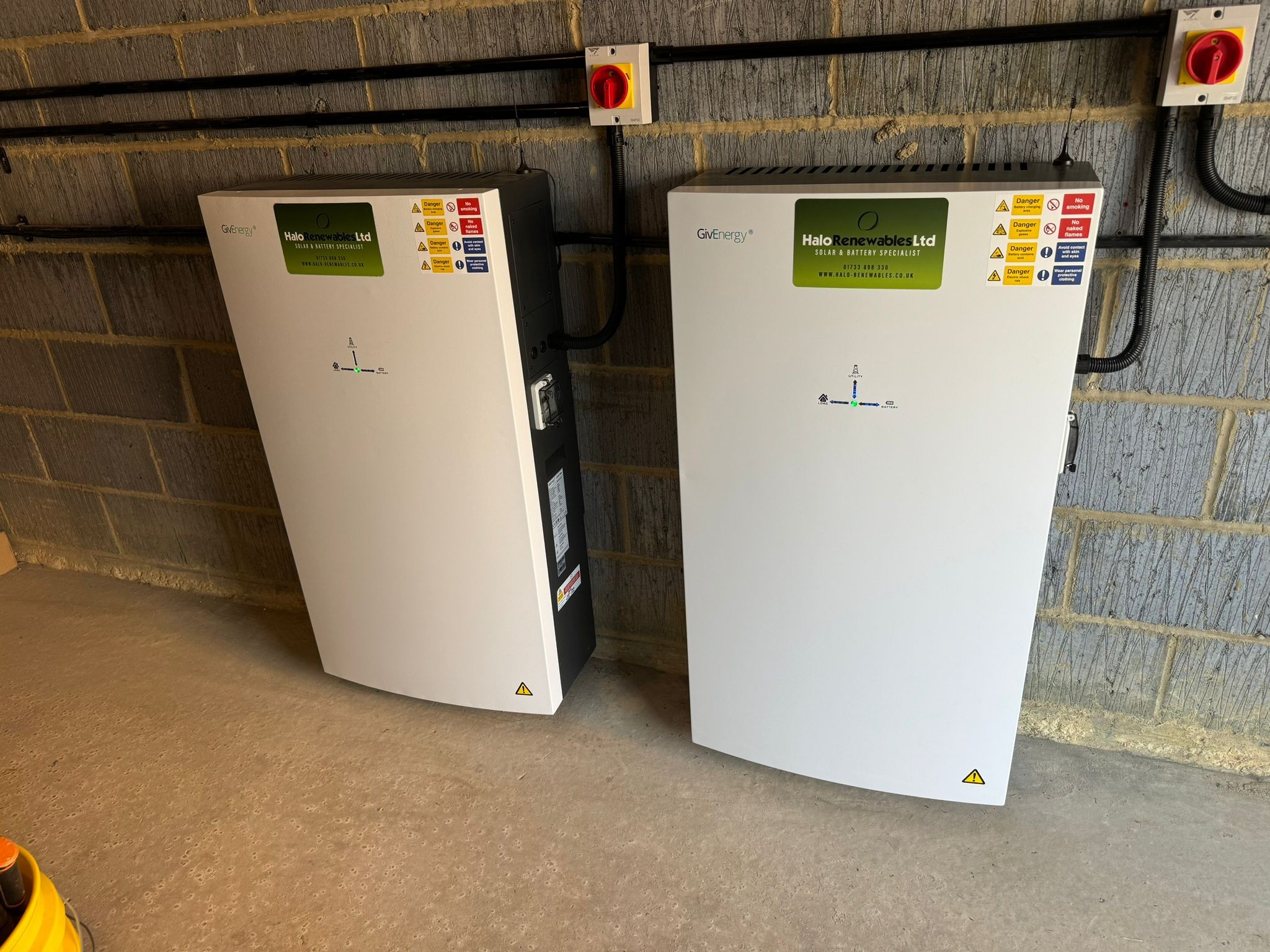
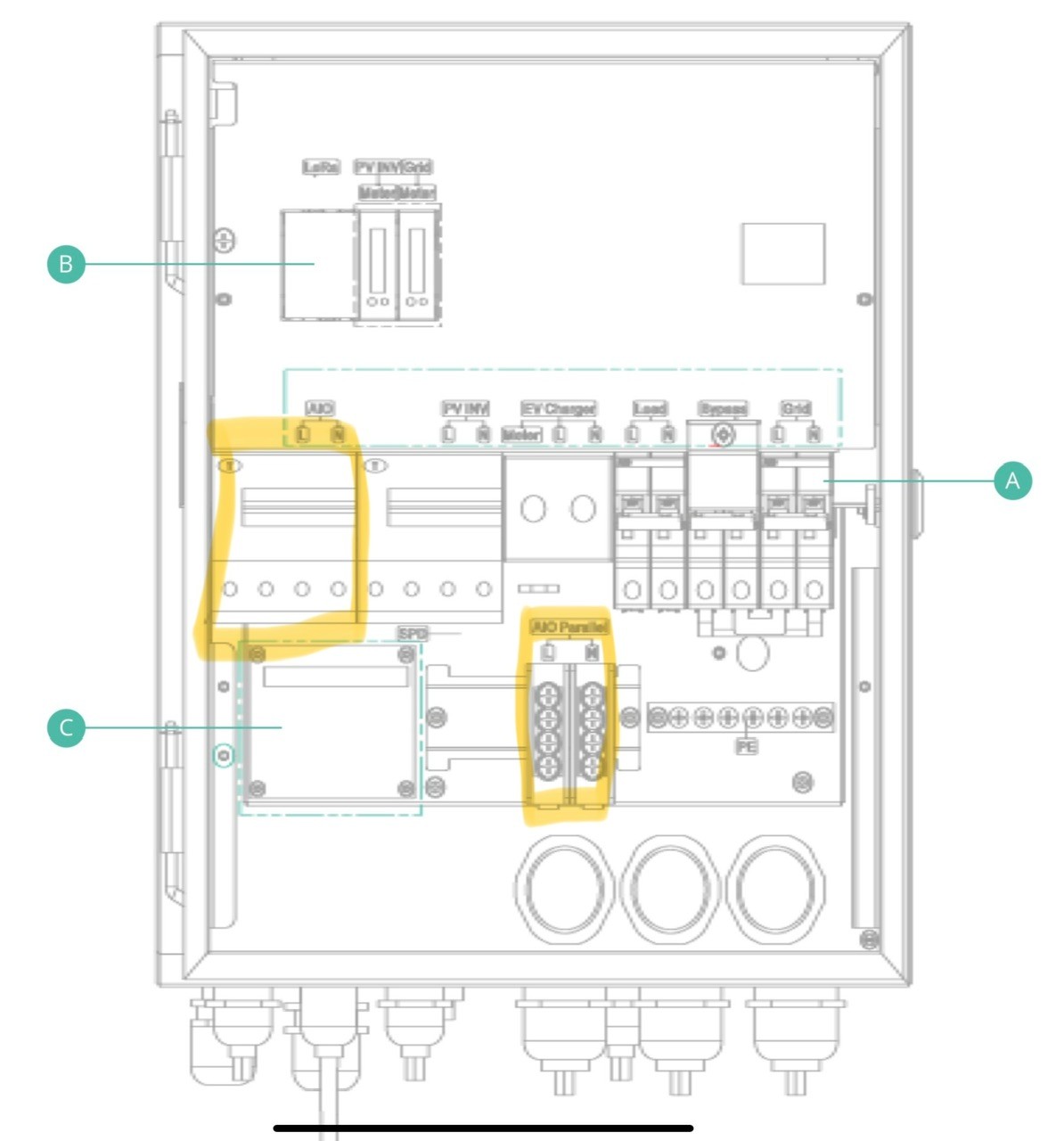
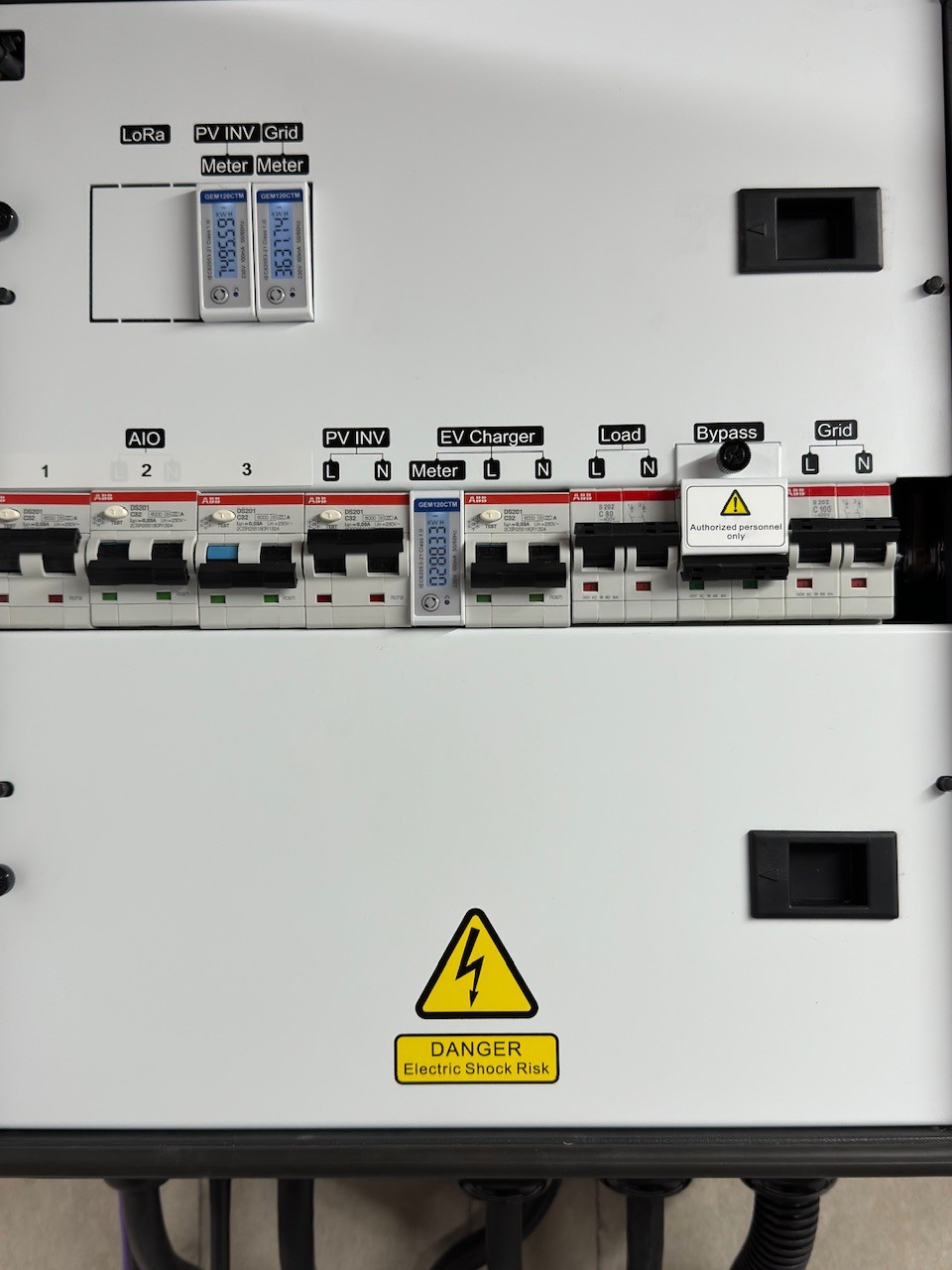
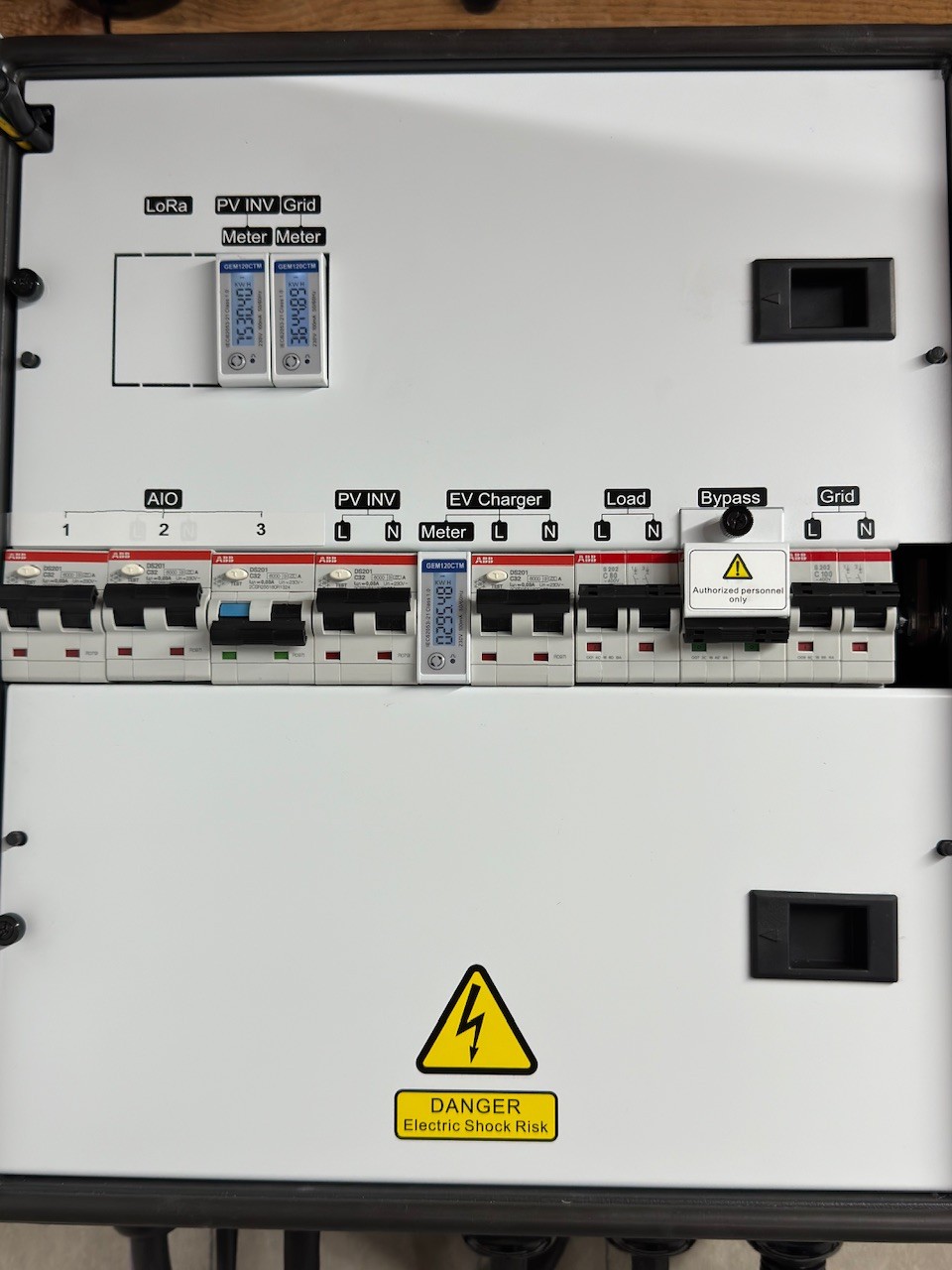
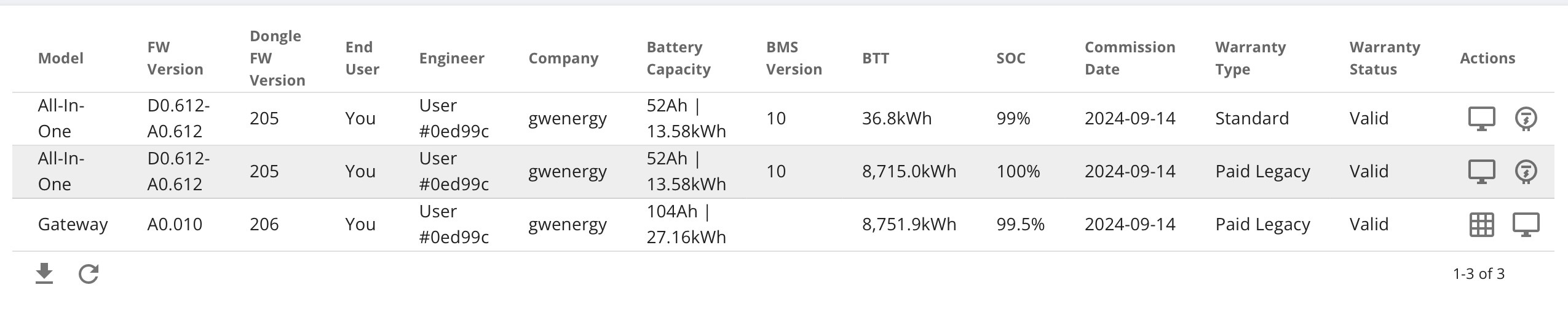
Yes that’s right, as I was only ever going to get 2 x AIO I went for the RCBO in the Gateway (option 2).
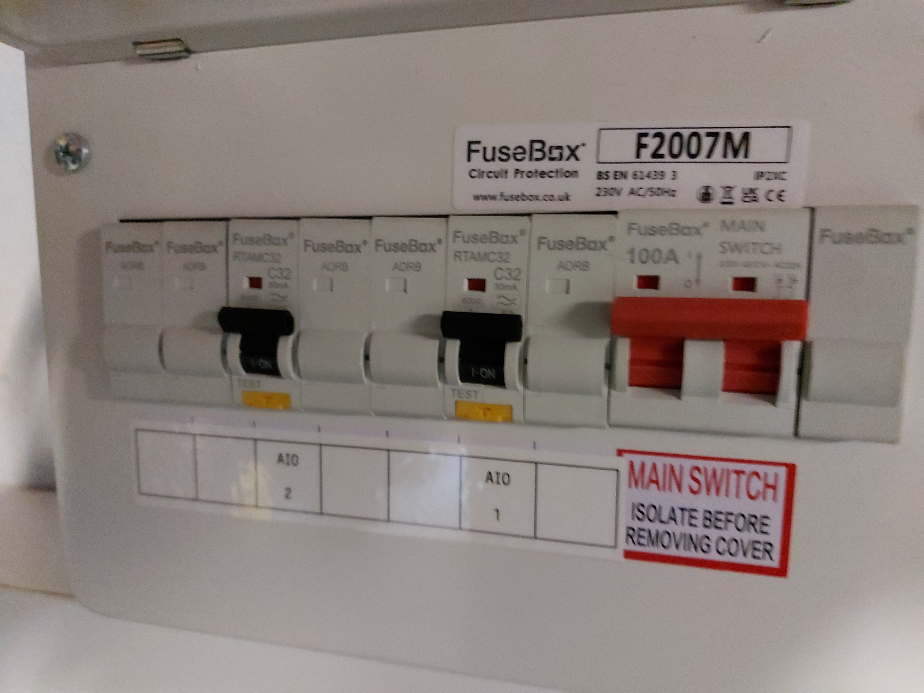
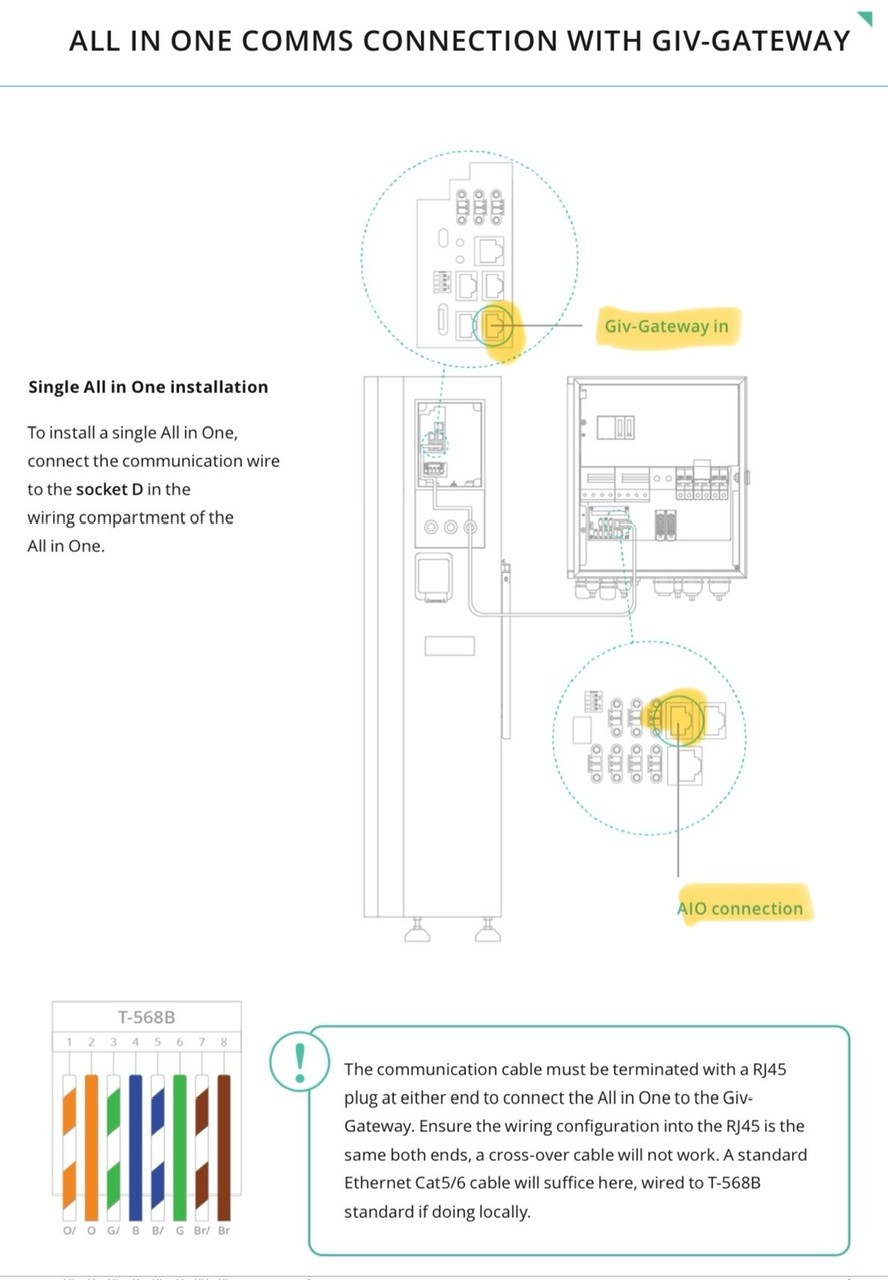
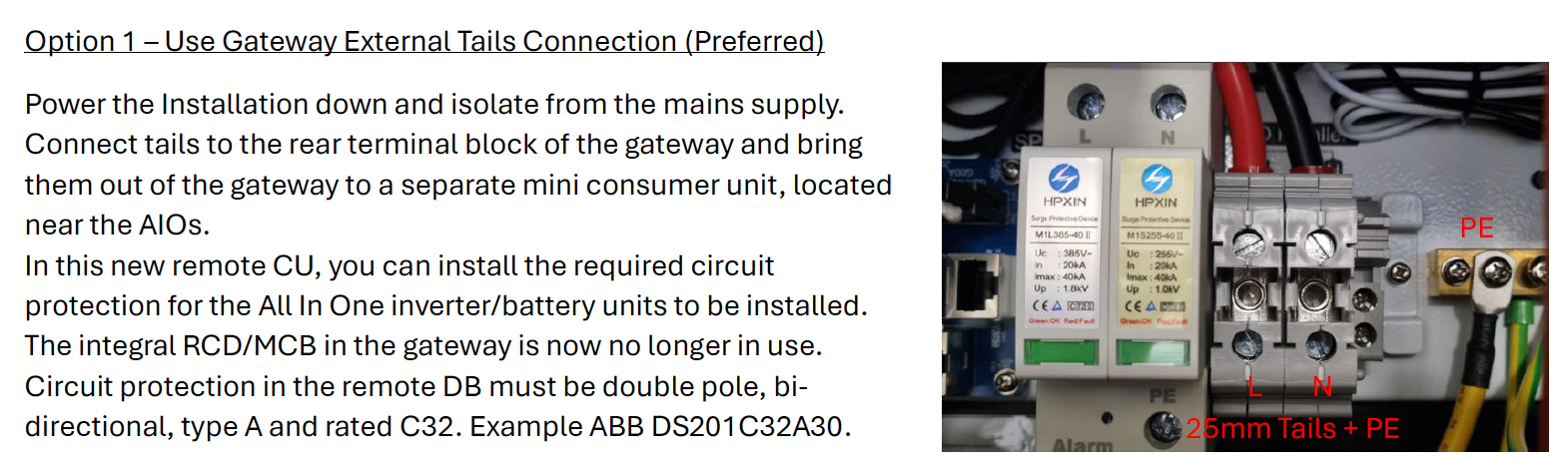
Option 1 is to have a CU and have all AIO’s going to that, then one cable going to the connection as per the diagram. My installer was a bit worried about that option going forward for the following reason:-
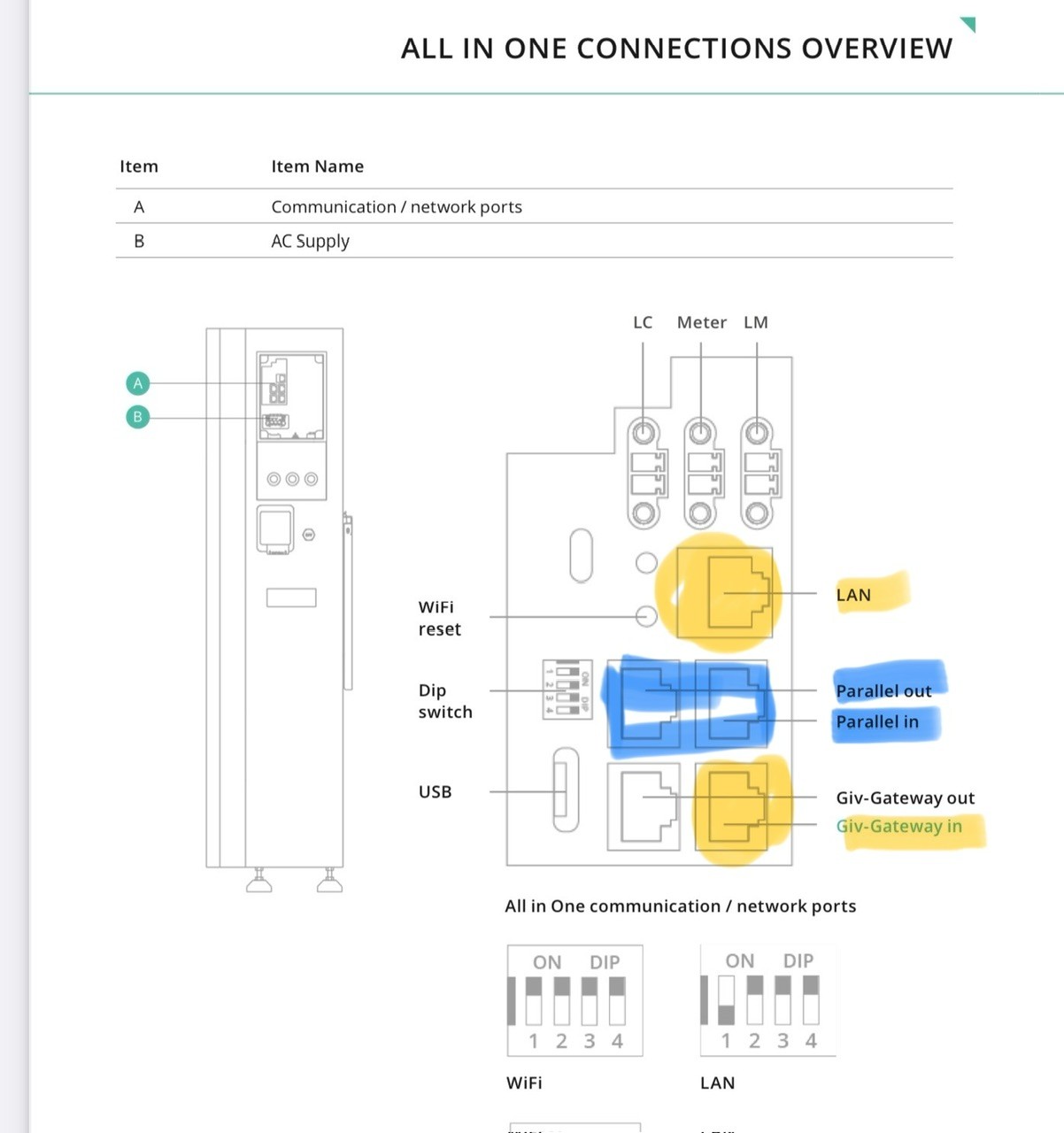
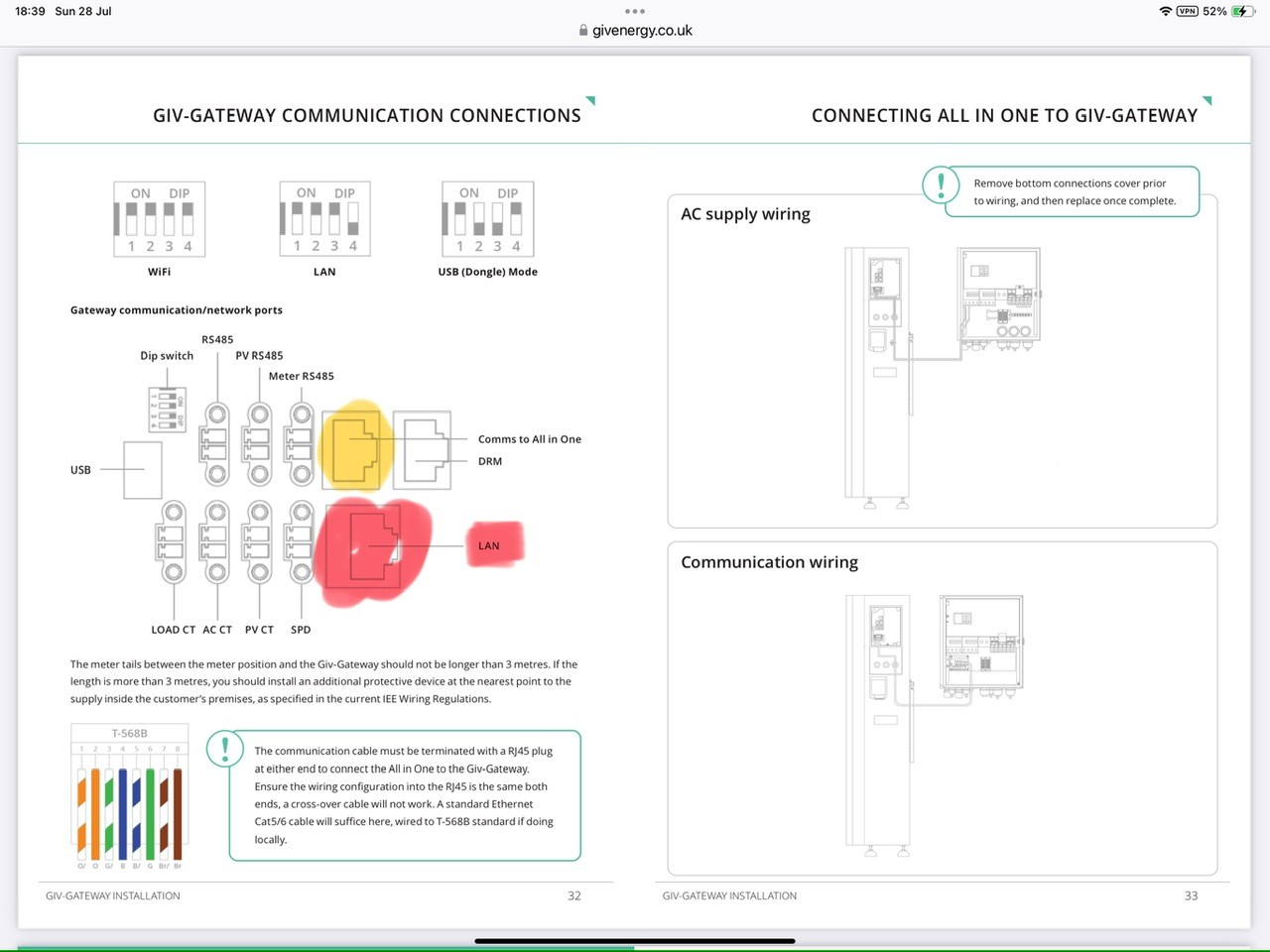
- He was a bit worried about the voltage going down the single 25mm wires to the bus bar once you went above 2 x AIO (I am thinking GE have only tested it to take 3 x AIO). We were not sure what they had in mind for the other AIO’s? How would they connect to the GW (they can’t all go to separate RCBO’s as no more room). If they used your method then each AIO would got to the CU, but the total output would go down a single wire to that one connection. Hhhmmm.
Chat gpt says
The current-carrying capacity (ampacity) of a 25 mm² electric cable depends on various factors such as the type of insulation, the installation method, and the ambient temperature. Below are some general guidelines for 25 mm² cables based on typical conditions:
•	Copper conductor, PVC insulation, clipped direct: Approximately 108–127 amps.
•	Copper conductor, XLPE insulation, clipped direct: Approximately 119–146 amps.
•	Aluminum conductor, PVC insulation, clipped direct: Approximately 81–100 amps.
•	Aluminum conductor, XLPE insulation, clipped direct: Approximately 90–114 amps.
These values can vary based on specific standards and local regulations, so it is important to consult the relevant electrical standards for precise information (e.g., IEC 60502 or local codes). Additionally, if the cable is in a bundle, buried, or exposed to high ambient temperatures, the current-carrying capacity will decrease.
To calculate the kWh (kilowatt-hour) rating for an electric cable, you need to understand that kWh is a measure of energy consumption, not a property of the cable itself. However, you can calculate the energy consumption of a device or load connected to the cable over time.
The formula to calculate kWh is:
[
\text{kWh} = \frac{\text{Power (W)} \times \text{Time (hours)}}{1000}
]
Where:
- Power is measured in watts (W) or kilowatts (kW).
- Time is the duration for which the power is used, measured in hours.
If you know the current (I) flowing through the cable and the voltage (V), you can calculate the power using:
[
\text{Power (W)} = \text{Voltage (V)} \times \text{Current (I)}
]
Once you know the power, multiply it by the time the load is running to find the energy consumption in kWh.
Example
If a device connected to a 25 mm² cable draws 50 amps (A) at 230 volts (V) for 5 hours:
- Calculate the power:
[
\text{Power} = 230 \text{V} \times 50 \text{A} = 11,500 \text{W} = 11.5 \text{kW}
]
- Calculate the energy consumption over 5 hours:
[
\text{kWh} = 11.5 \text{kW} \times 5 \text{hours} = 57.5 \text{kWh}
]
This means 57.5 kilowatt-hours of energy are consumed over that period.