I have put together some general points to consider when going for a heat pump installation together with links that I have found useful. These should supplement earlier comments and the list from geoffreycoan.
These are my opinions built up from my preparation for my HP installation a year ago and snippets I have picked up since. There may well be better advice so don't treat as the gospel truth. Sorry for the doubtless typos.
Do some research and learn about what to expect. Youtube videos are good. It is worth looking at Heat Geek videos: https://www.youtube.com/c/HeatGeek.
Price is a big factor of course but you do get what you pay for, as is the expertise of your installer.
Big companies such as Octopus, are going for the straightforward installations, typically newish premises (say 1980 onwards) and not too big. They have teams to carry out heat loss survey and different teams for the installation. Smaller setups will often have the same person for heat loss survey and installation. They will also look at related important issues .....
How many radiators will need changing? My house in a 1920s detached, one of the first to have cavity insulation (about 2 am gap!) Get more insulation in that loft!
I did have mainly K2 rads (2 fins), about 10 cm deep and some old K1 rads (1 fin) about 5 cm in depth.
Half of my rads were changed to K3 (3 fins) 15 cm deep I don't have any K1s any more. The wall footprint of K2s and K3s is the same as single fins (K1) but they come out further from the wall. K3s give out more heat. The more heat from a rad, the lower the temp it will run.
The lower the temp, the more efficient.
Rads are not that expensive and some folk save costs by changing their own.
So companies promise to keep existing rads, run at 70C and these are not going to be efficient – they will be cheaper to install but more expensive to run.
There's a great series of articles here: https://energy-stats.uk/blog-summary/.
- Which heat pump?
To get a government grant (£7500), the heat pump power must exceed the heat loss and the installer must be able to get MCS accreditation. My house's heat loss came out at 8.3 kW so I finished up with a 10 kW heat pump.
Heat pumps > 7 kW tend to have 2 fans and are larger, essentially two 1 fan models, one of top of the other.
The volume of the HP means that you need planning permission!! (Cost me £230 and some angst). There is pressure for this daft rule to be relaxed along with the 1 m gap from neighbours (3 m in Wales, I believe). But most HPs seem to be 5 kW or 7 kW, single fanned models and there is no planning requirement for size.
See https://heatpumpmonitor.org for a good comparison of HP brands, installers and COPs.
The best performing seems to be Viessmann, Nibe (more expensive) with Vaillant not far behind (there are loads of Vaillants). You can compare prices here https://midsummerwholesale.co.uk and get further info from brand websites.
Where is the water cylinder going?
You need one .... and it needs to be sorted. See the sorry tale from CGoode earlier for potential issues with getting a cylinder into the lost.
Mine was fitted into an unused under-stairs cupboard. Airing cupboards (if you still have one) may not be big enough. Garage?
You can generate hot water by phase change transfer of heat. See Sunamp in https://midsummerwholesale.co.uk (These are more expensive). No cylinder is then needed and systems are much less bulky. Most systems though use a water cylinder.
Heating the water in the cylinder.
It will usually be cheaper to heat from the HP but this does drag down the COP (less efficient than space heating).
I have a 200 l cylinder, brand new and super-insulated. It loses about 1 kW a day.
I heat to 43C but use the water straight off with no dilution of heat with cold water. If you need a lot of hot water, use higher temperatures and cool the water down. Obviously costs more.
Heating using excess solar sounds good but you don't get the magnified 'COP heat' from the input.
An immersion heater, which will always be within the cylinder if needed, will also be 1:1 electricity to heat.
Use afternoon when air temp is higher or use low rates at night but with lower air temp.
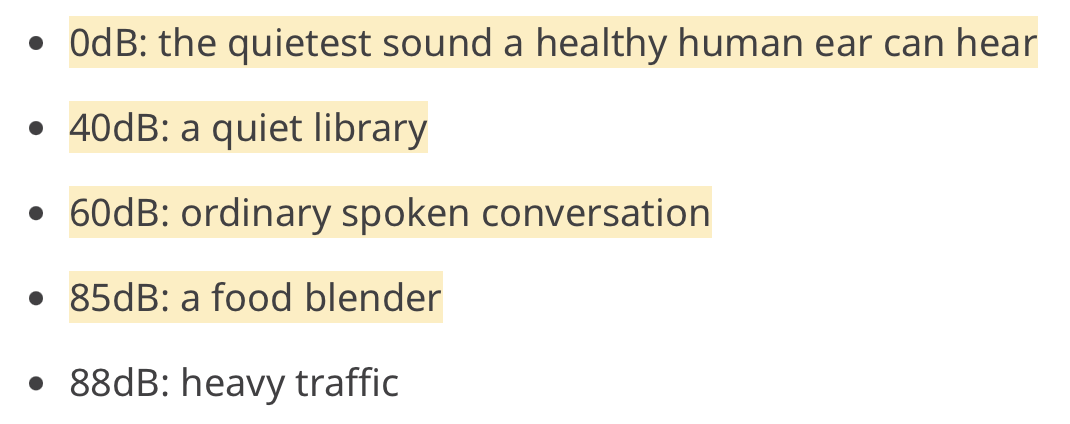
Noise, what noise ....... Typically about 55 dB when working and negligible on tickover.
Cost.
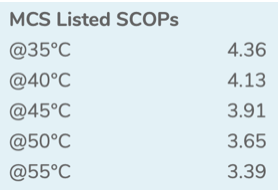
I have an excellent COP and my HP is cheaper that my old combi gas boiler. Electricity prices need to come down compared to gas (currently ~ 4:1) so you need a COP of 4 for parity. Hopefully this will change, either be electricity prices coming down or gas up! I think you should be looking at a COP of 4. SCOP is the instantaneous COP over a year
Air to air HPs.
These systems transfer heat to units on the wall. These are solely for space heating and you need a different way of heating water, which can be Solar diverter (e.g. Eddi, iBoost) or immersion. Installation can be quicker and involve less disruption.
Many great videos here: https://www.youtube.com/@TimAndKatsGreenWalk
10 Microbore piping and buffer tanks.
Ideally, microbore pipes (10 mm) need replacing with standard 15 mm piping to rads. There are examples of systems using microbore. I would not want one myself! But replacing micropore is a disruptive with more expense, much of it from labour costs. An installer will take a primary feed using 28 mm piping from the HP before splitting off to rads with 15 mm piping. This idea is that the temperature across a radiator drops by less than 5C (∆T).
Typical residential installations won't need a buffer tank but it depends on the size of the installation.
Air source or ground source.
Unless you want your garden or a field dug up and are willing to spend lots, use air source (must be 99% + of residential installations)
A good installer is worth their price in gold.
Watch out for the cowboys. I read of one poorly performing 16 kW installation where another installer checked the heat loss. It came out as 8 kW!
That's enough for the moment.
If you are interested in getting a HP, do some research. There are plenty of other good videos.
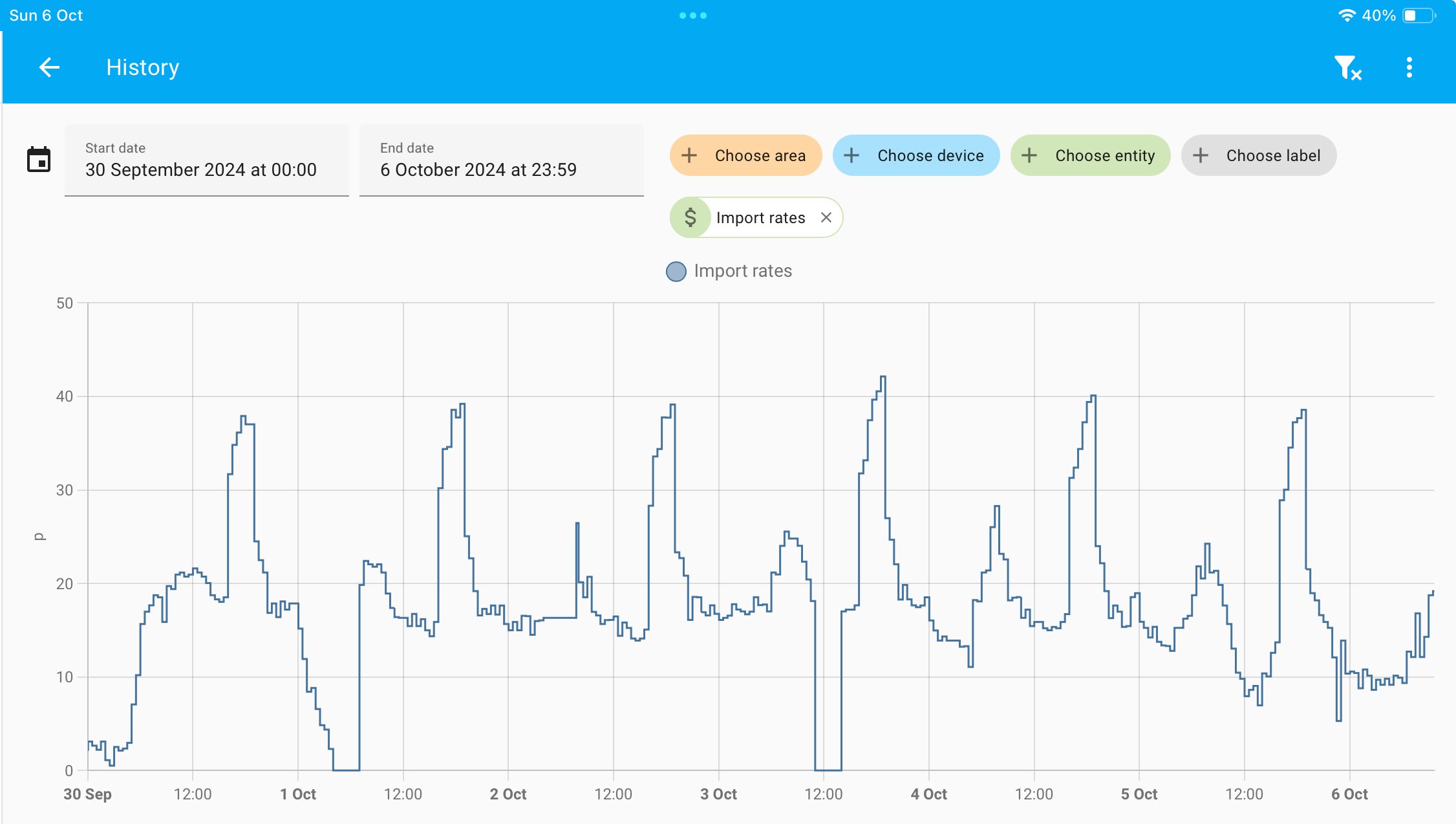
Hope the comments are useful. I nice way to while away a dreadful rainy afternoon. On the plus side, I am getting some nights with lower Agile import rates ......
Rob